
It’s one of the first things you might notice as a new parent: one of your baby’s ears seems a little… folded. It’s a common worry, and your first question is probably, "Will it fix itself?"
The short answer is sometimes. But relying on chance isn't the best strategy here. While some very minor folds might smooth out on their own, a surprising number of newborn ear irregularities become permanent if you just wait and see. This makes a little bit of early, gentle intervention a game-changer.
Will Your Newborn's Folded Ear Correct Itself?
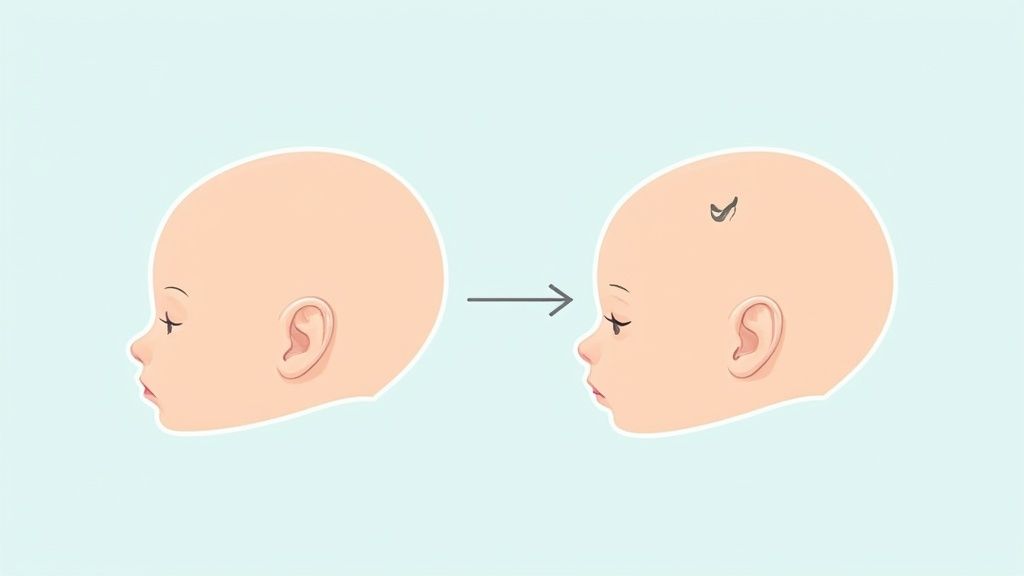
When you see that tiny ear is folded over, it's natural to feel a pang of concern. Is this a temporary quirk from birth, or something you need to address? You’re not alone in wondering, and it's smart to get the facts.
The truth is, while some slight folding can resolve in the first few days of life, taking a "wait-and-see" approach can mean missing a critical window for a simple, non-invasive fix.
Understanding the Golden Window for Correction
Right after birth, your newborn’s ear cartilage is incredibly soft and pliable, almost like soft clay. This is thanks to the maternal estrogen still circulating in their little body.
This unique pliability peaks and lasts for about the first six weeks of life. This creates a golden opportunity—a perfect time to gently reshape the ear without any discomfort to your baby.
Once this window closes, the cartilage begins to harden. Correcting the shape becomes much more difficult, often requiring more involved procedures down the road. Acting early really does make all the difference.
Self-Correction at a Glance: What Parents Should Know
To put it in perspective, here's a quick rundown of what the data shows about folded ears correcting themselves.
| Factor | Likelihood & Timeline | Key Takeaway |
|---|---|---|
| Spontaneous Correction | Only about 30% of newborn ear deformities self-correct. | Waiting is a gamble; 70% of folded ears will not fix themselves. |
| "Golden Window" | The first 6 weeks of life. | This is the ideal time for non-surgical molding while cartilage is soft. |
| Cartilage Hardening | Begins to firm up significantly after 6-7 weeks. | After this point, non-invasive methods become much less effective. |
As you can see, the odds are not in favor of spontaneous correction for most babies. This is why being proactive is often the most reassuring path.
Taking Proactive Steps vs. Waiting It Out
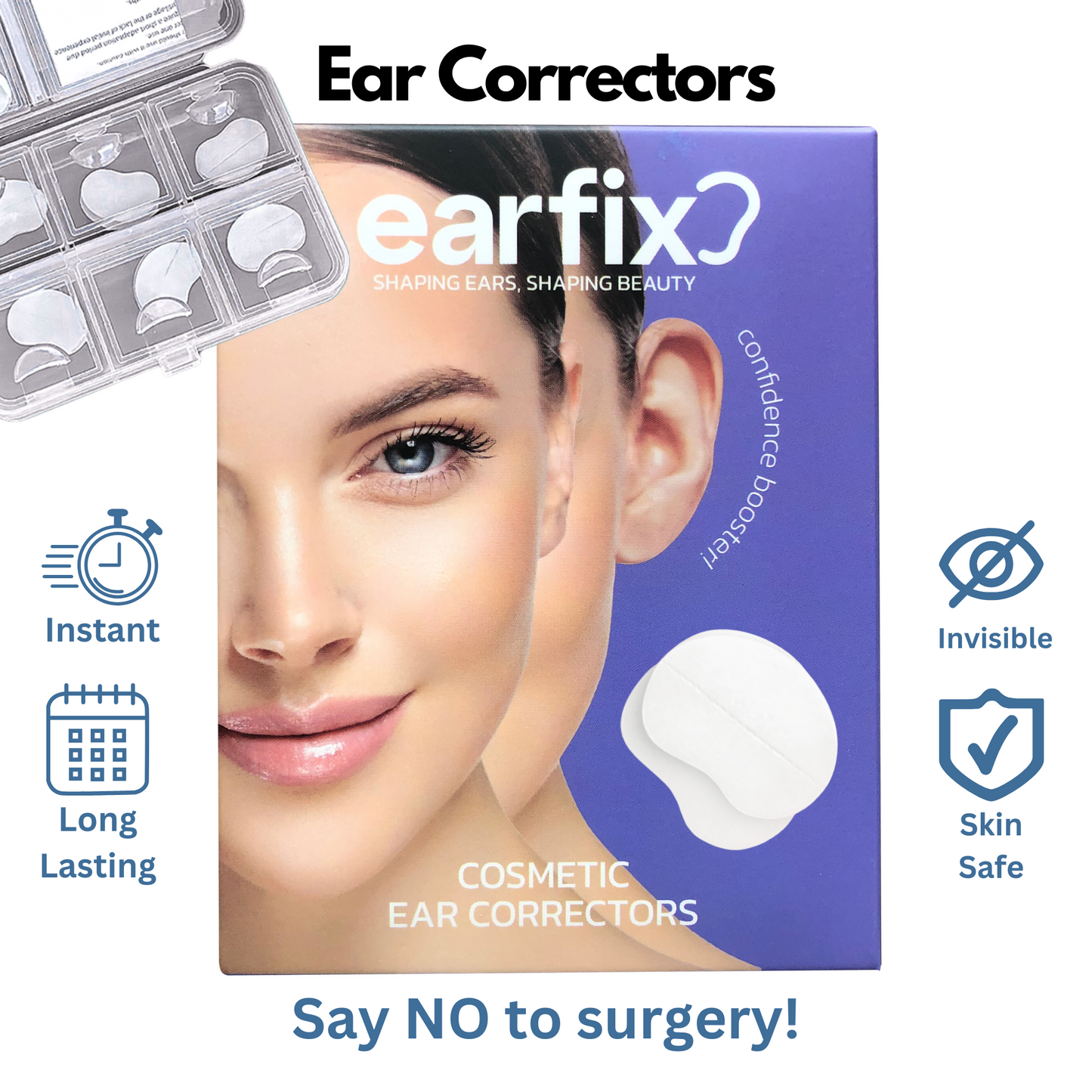
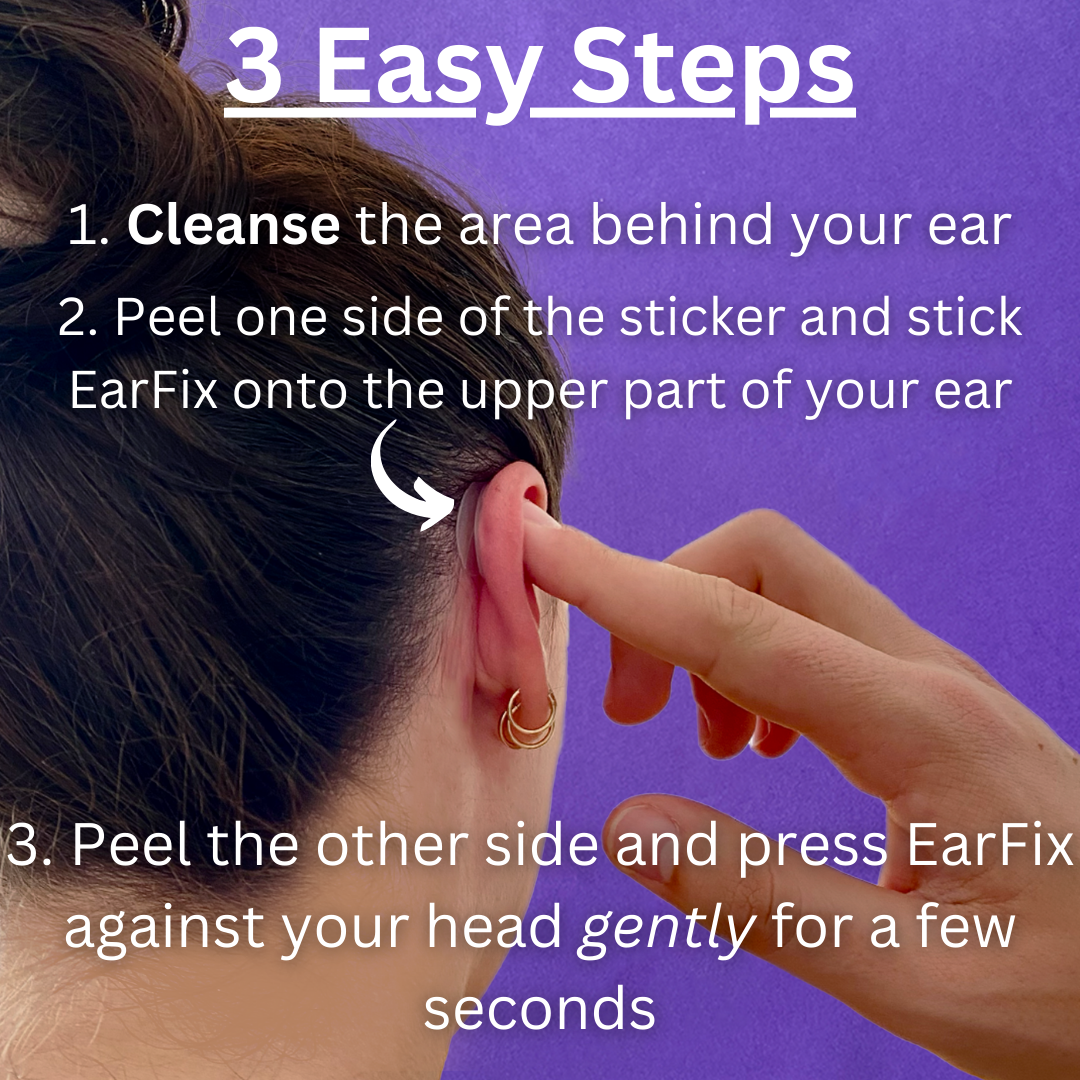
Instead of hoping for the best, many parents are choosing simple, proactive solutions. A baby ear corrector, like EarFix, is designed to work with your baby's naturally soft cartilage.
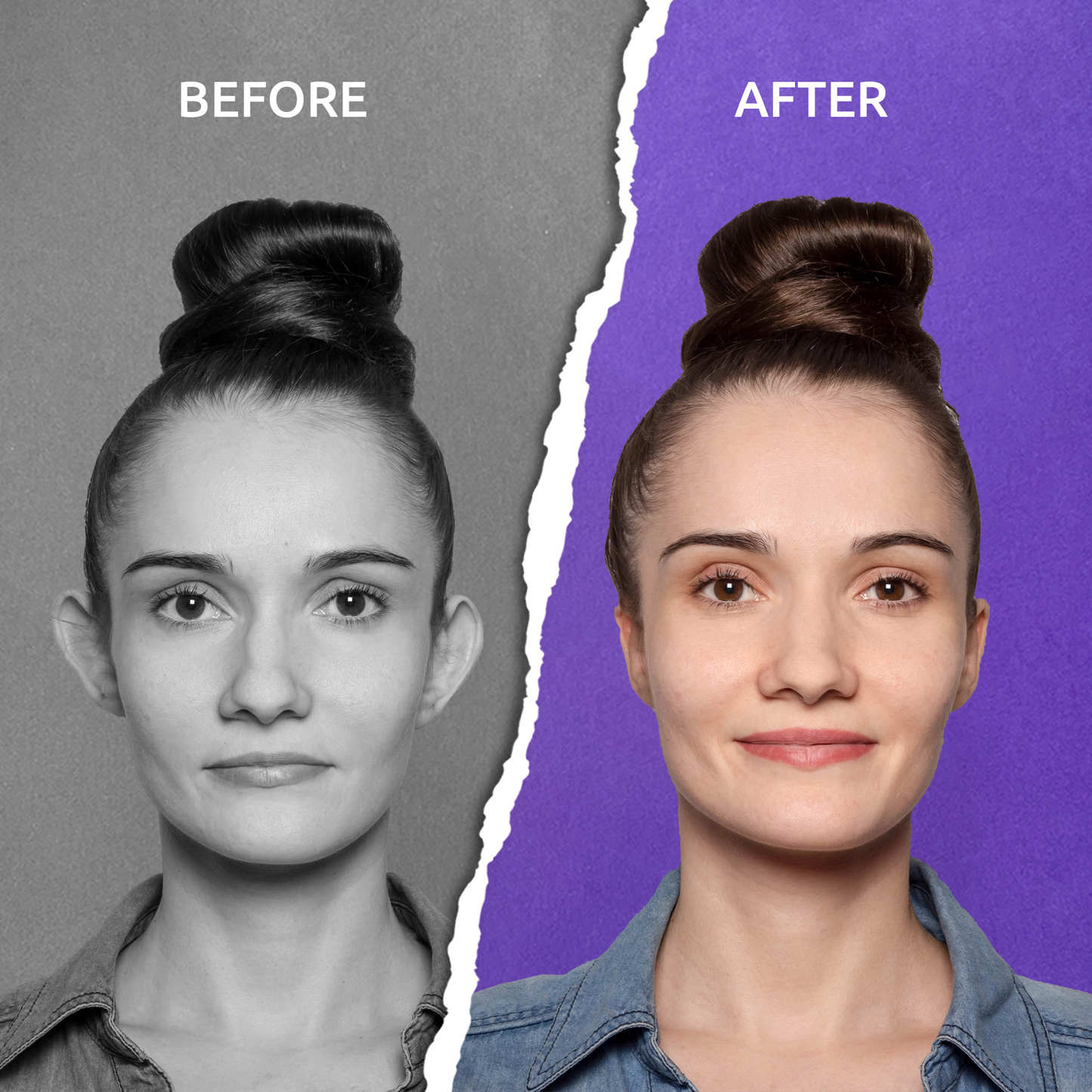
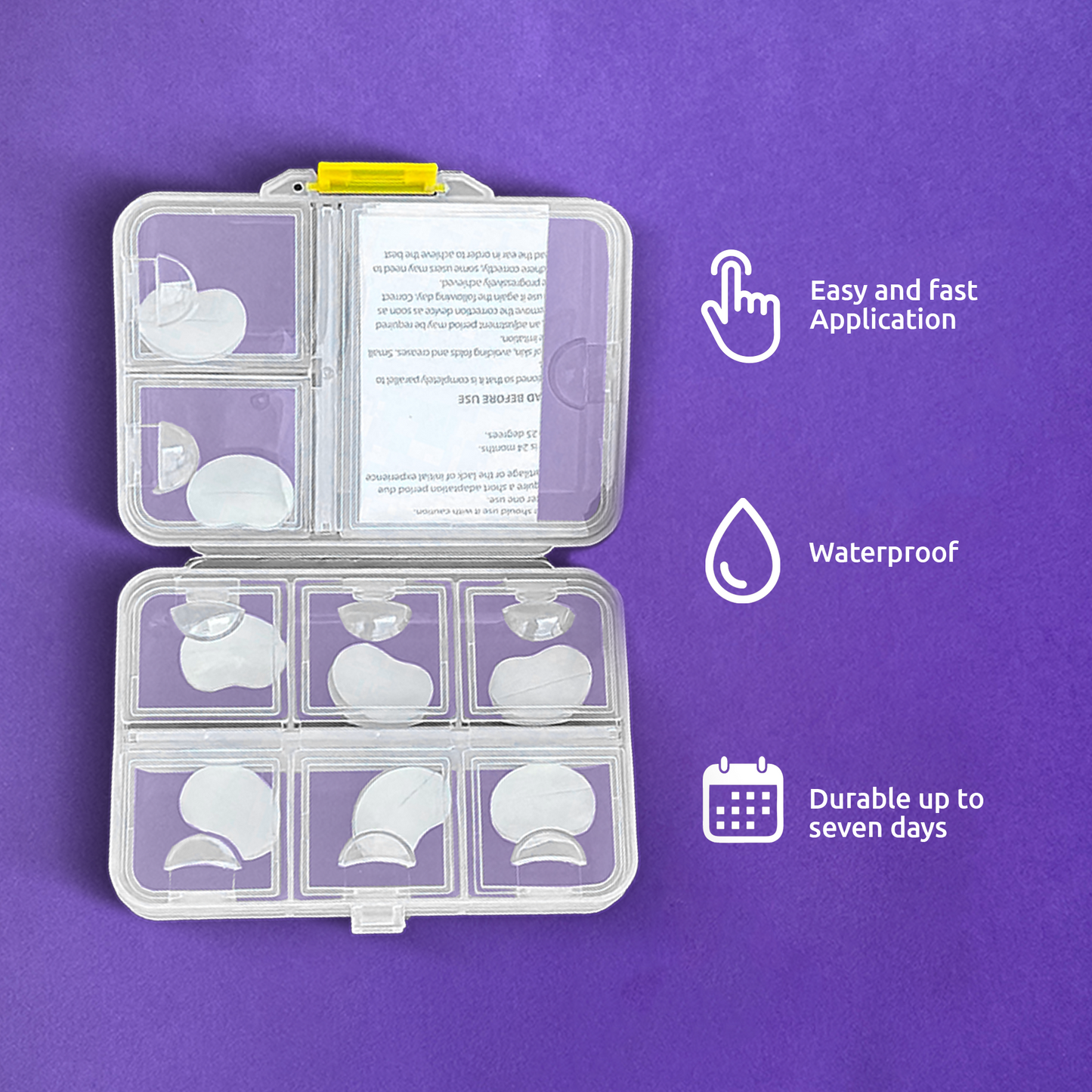
These dermatologist-tested, medical-grade stickers gently hold the ear in the correct position, allowing the cartilage to mold naturally and permanently into the right shape.
It’s a straightforward approach with big benefits:
- Completely Pain-Free: The gentle, skin-safe adhesive means your baby won't feel a thing.
- Totally Non-Invasive: No procedures. It’s just a simple sticker that does its job while your baby sleeps, eats, and plays.
- Gives You Peace of Mind: Taking this one simple step can ease your worries, knowing you're doing the best for your child's future comfort and confidence.
If you're curious about what's typical, you can read our guide to learn more about what's considered normal for newborn ears.
By understanding the timelines and your options, you can make a decision that feels right for your family. Next, let’s explore why folded ears happen in the first place and the specific signs to watch for.
What Causes a Baby's Ear to Fold Over?
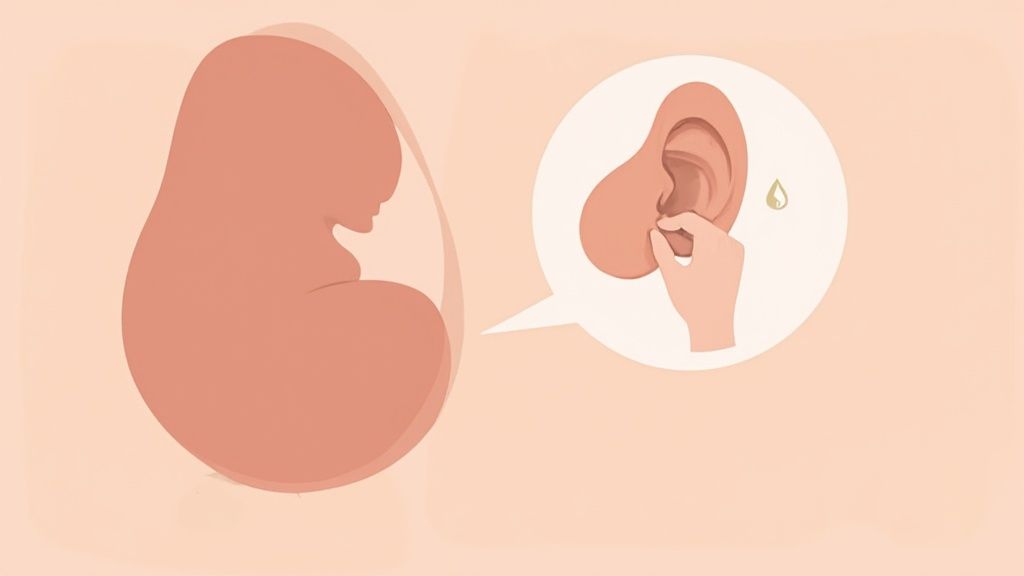
If you've noticed your baby's ear is folded, creased, or seems a bit misshapen, the first thing to know is that it’s incredibly common. It is absolutely not something you did wrong. These little folds are usually just a souvenir from their journey into the world.
During the last few months of pregnancy, it gets pretty snug in there. Your baby’s position can easily cause an ear to be pressed against the uterine wall, leading to a temporary change in shape that’s noticeable at birth.
Why Your Newborn's Cartilage is So Malleable
The single biggest factor is how unbelievably soft your newborn’s ear cartilage is. Think of it like soft clay—it’s extremely pliable and easy to mold. This is all thanks to the maternal estrogen that’s still circulating in your baby's system right after they're born.
This hormonal effect creates a special “golden window,” which typically lasts for the first six weeks of life. During this period, the cartilage is so soft that it can be gently guided into a more typical shape with very little effort. Once this window closes, the cartilage starts to firm up, making any non-surgical correction much harder to achieve.
For parents, this biological window is a huge opportunity. It means a gentle, proactive approach can be incredibly effective, using the body's natural state to achieve a lasting cosmetic improvement without any discomfort for your baby.
Are Folded Ears a Sign of Other Health Problems?
In the vast majority of cases, a folded or prominent ear is purely a cosmetic issue. It has absolutely no impact on your baby's hearing or their overall health. It's almost always just an isolated trait caused by their positioning in the womb or how their cartilage developed.
Still, a quick chat with your pediatrician is always the best way to get peace of mind. They can confirm that the fold is simply cosmetic and help you figure out what your options are. You can get more details by exploring our EarFix vs. Surgery comparison.
This early pliability is precisely why a baby ear corrector can work so well. Products like EarFix are designed specifically for this unique developmental stage. They use a gentle, dermatologist-tested adhesive to hold the ear in the correct position.
This lets the soft cartilage naturally remold itself over time, offering a simple and safe prominent ears solution. You can find some real-world inspiration by reading our Customer Stories to see how other families have found confidence.
Signs a Folded Ear May Need Gentle Help
The old "wait-and-see" approach is common advice, but let's be honest, it can leave you feeling powerless and a little anxious. How can you tell when it's time to shift from just watching to taking gentle action? The best advice is always to trust your gut, but there are a few clear signs that a folded baby ear might not straighten out on its own.
Taking a close look at your baby’s ear in the first week or two will give you the best clues. A temporary fold from the birthing process often softens and resolves pretty quickly. If, however, the ear keeps popping back into the same folded position even after you gently straighten it, that’s a good sign the cartilage has developed a "memory" of that shape.
Key Indicators to Watch For
Get specific about the fold itself. A soft, shallow curve is more likely to work itself out. On the other hand, a sharp, defined crease in the cartilage is a much stronger signal that a little help might be needed. That distinct crease suggests the underlying structure is more firmly set in that position.
Here are a few things to keep an eye on:
- A Persistent Crease: Does the ear have a noticeable, well-defined fold that looks the same day after day?
- The "Spring-Back" Effect: When you gently unfold the ear with your finger, does it immediately spring right back into its folded shape?
- Lack of Improvement: Have you been watching closely for the first one to two weeks and seen little to no change?
These signs aren't a reason to worry, but they do suggest that a gentle, non-surgical solution could make all the difference. Many parents ask about this, and you can learn more about what to expect with newborn ears that stick out in our other guide.
The goal is not to be alarmed, but to be an informed observer. Noticing these signs early empowers you to explore safe, gentle options during the crucial window when your baby’s cartilage is most pliable.
When you feel ready to move from observation to a proactive step, a baby ear corrector like EarFix offers a pain-free, simple, and effective path forward, giving you peace of mind.
A Gentle, Non-Surgical Alternative to Otoplasty
If you've noticed your baby's ear has a persistent fold, the thought of what comes next can be a little daunting. The idea of surgery, or "otoplasty," is understandably overwhelming for someone so little. But there's a gentle, effective, and completely pain-free middle ground that works with your baby’s natural development: non-surgical ear correctors.
Think of them as a tiny, supportive guide for your baby's ear. Instead of a complex medical procedure, a baby ear corrector is a small, discreet, and dermatologist-tested sticker that applies a subtle, consistent hold. This gentle support allows your baby's incredibly soft cartilage to remold into its natural, rounded shape—all during that critical six-week window.
How Do Ear Correction Stickers Work?
The concept is beautifully simple. An ear correction sticker, like EarFix, uses a medical-grade, skin-safe adhesive to hold the ear closer to the head in its correct position. It’s like a tiny, invisible brace that does its job while your baby eats, sleeps, and plays, completely unnoticed by them.
Because the hold is constant but gentle, the cartilage naturally adapts and reshapes itself over time. There are no chemicals, no uncomfortable pressure, and absolutely zero discomfort for your baby. They won't even know it's there.
A Prominent Ears Solution That Fits Real Life
One of the biggest wins for a non-surgical solution is how easily it fits into your daily routine. Parents often tell us they love EarFix because it works seamlessly without any fuss or disruption.
Here’s why it’s such a practical choice:
- Completely Pain-Free: The gentle, hypoallergenic adhesive is made specifically for delicate newborn skin. There are no needles, no recovery time, and no tears involved.
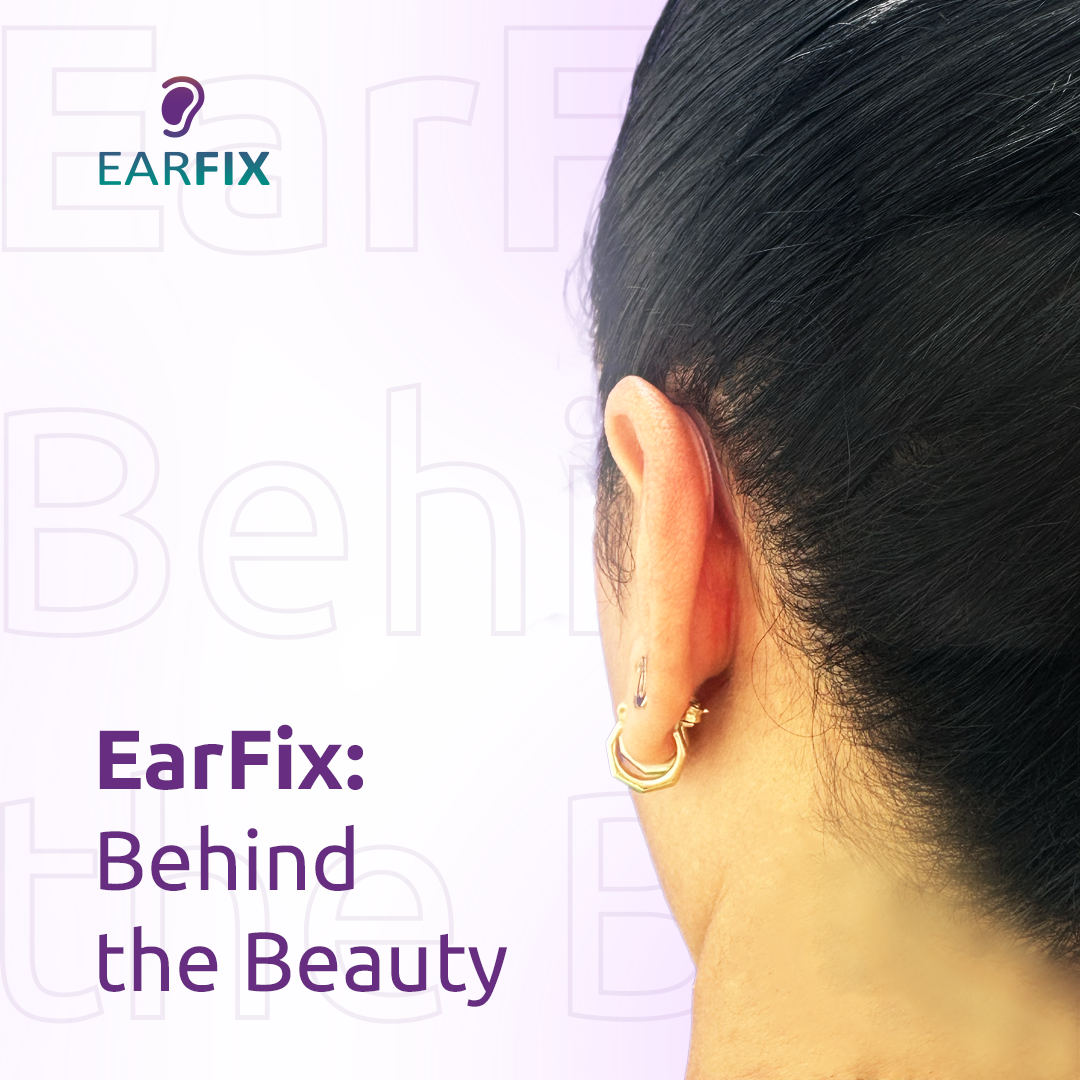
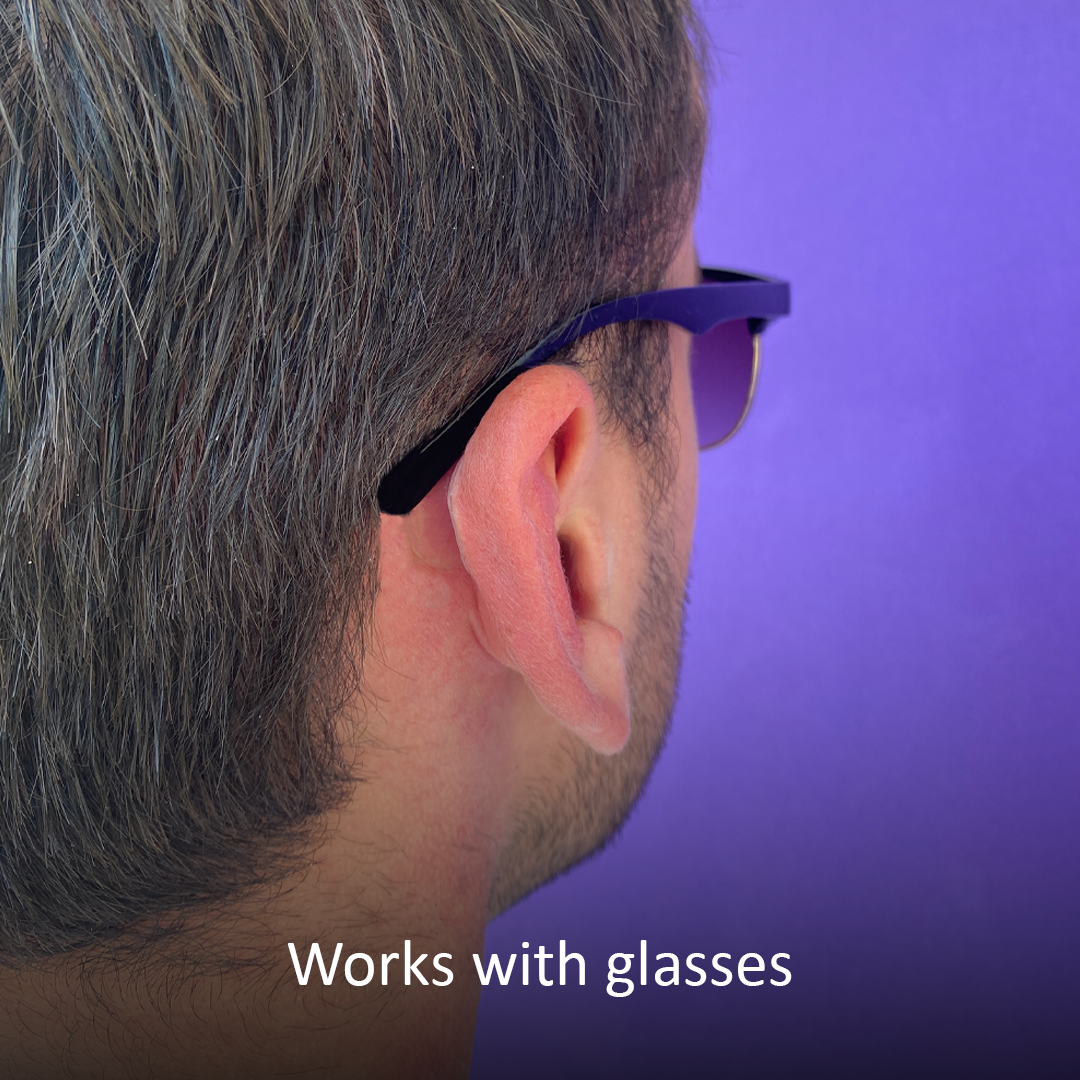
- Invisible and Discreet: The correctors are made from transparent silicone, making them barely noticeable. You can capture all those precious newborn photos with confidence, knowing the focus is right where it should be—on your baby’s happy smile.
- Comfortable for Daily Wear: They are lightweight, flexible, and even water-resistant, so they stay put through baths and nap times. Your baby can wear them 24/7 without any irritation.
This approach completely sidesteps the stress of a "wait-and-see" game and the prospect of future surgery. It empowers you to take a safe, proactive step that puts your baby's comfort first while bringing you much-deserved peace of mind.
For parents who want to see just how easy the application is, our detailed guide explains exactly How to Use EarFix to get the best possible cosmetic improvement.
EarFix vs. Surgery: A Clear Choice for Infants
When you put the options side-by-side, the difference is night and day. Surgery is an invasive procedure that can’t even be considered until a child is older, typically around ages 5-7. It requires anesthesia, involves incisions, and comes with a painful recovery period and significant cost.
In stark contrast, a non-surgical otoplasty alternative like EarFix is:
- Non-Invasive: No cuts, no stitches, and no risk of infection.
- Affordable: It costs just a fraction of a surgical procedure.
- Immediate: You can start using it during the first few weeks of life, which is precisely when it's most effective.
By choosing a gentle, proactive solution, you aren't just correcting a cosmetic fold; you're giving your child the gift of confidence down the road and giving yourself the gift of reassurance right now.
Comparing Your Options for Ear Correction
When you're worried about your baby’s folded ear, it helps to see all your options laid out clearly. It just makes the decision-making process feel less overwhelming. Really, you have three main paths: waiting it out, trying a non-surgical solution, or thinking about otoplasty surgery down the road.
Each path comes with its own timeline, costs, and comfort level for your child. Getting a handle on these differences is the key to making a choice you feel good about.
This simple decision tree shows the journey from that initial worry to a gentle, effective fix, ending with a happy baby and reassured parents.
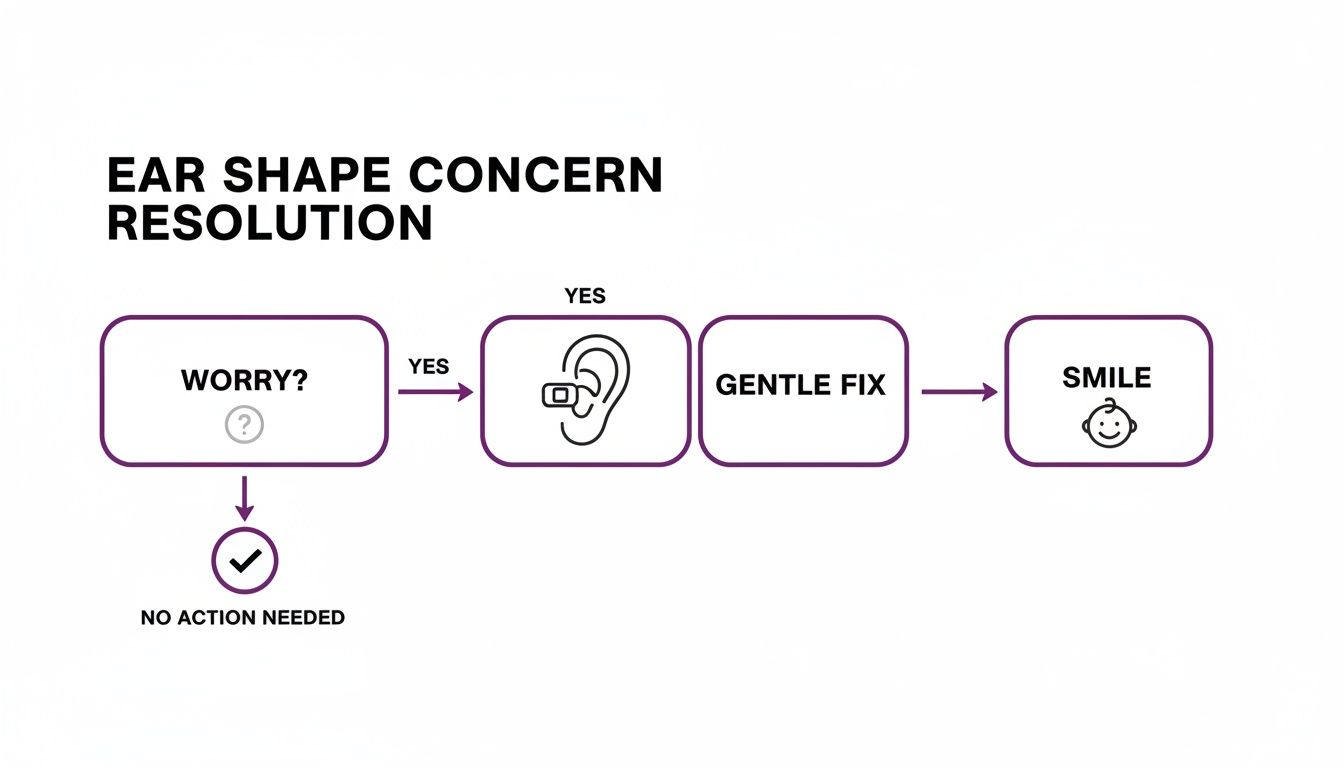
As you can see, a proactive and gentle approach can lead directly to a positive outcome, which simplifies things quite a bit.
Comparing Folded Ear Solutions: What's Best for Your Baby?
Let's break these choices down side-by-side. The timing, comfort, and financial investment are all very different, which is why an early, non-invasive method like baby ear correctors is such an appealing prominent ears solution for so many families.
| Approach | Best Timeframe | Pain & Risk Level | Cost | Outcome |
|---|---|---|---|---|
| Wait & See | First 1-2 weeks | None | Free | Uncertain; most folds do not self-correct. |
| Non-Surgical Correction | First 6 weeks | Pain-free & non-invasive | Low | High success rate for cosmetic improvement. |
| Otoplasty Surgery | Age 5+ | High (surgery & recovery) | High | Effective, but with surgical risks and cost. |
This table makes it pretty clear—there’s a sensible middle ground between waiting anxiously and facing an invasive procedure years from now.
The Power of a Non-Surgical Otoplasty Alternative
Ear correction stickers like EarFix are designed specifically for that unique "golden window" when an infant’s cartilage is still soft and incredibly easy to mold.
This approach brings some major advantages to the table:
- Pain-Free and Safe: The correctors use a dermatologist-tested, gentle adhesive. Your baby won't feel a thing.
- Affordable: When you compare it to the thousands of dollars surgery can cost, a non-surgical solution is a very small investment.
- Incredibly Discreet: You can use them every day without anyone noticing, so you can still capture all those precious family photos and enjoy everyday moments.
By choosing a non-surgical path, you aren't just addressing a cosmetic concern—you are prioritizing your baby’s comfort, avoiding future stress, and taking a proactive step toward a confident outcome.
This modern approach makes cosmetic ear correction accessible, safe, and easy to understand. For a more detailed breakdown, you can check out our in-depth article comparing EarFix vs. Surgery. The best part is knowing you can get the results you're hoping for without any discomfort for your little one.
Real Stories From Worried Parents to Confident Smiles
If you're feeling a bit worried and unsure about your baby's folded ear, you're definitely not alone. So many parents have been in your shoes, searching for clear answers and a gentle solution. Their stories usually start the same way—with a quiet concern over whether their newborn's ear will eventually correct itself.
Many have shared how the "wait-and-see" approach from their doctor felt unsettling. It left them hoping for the best while the clock was ticking. The real turning point for these families was discovering that a simple, non-invasive prominent ears solution existed, one that put their baby's comfort and their own peace of mind first.
From Concern to Confidence With a Gentle Solution
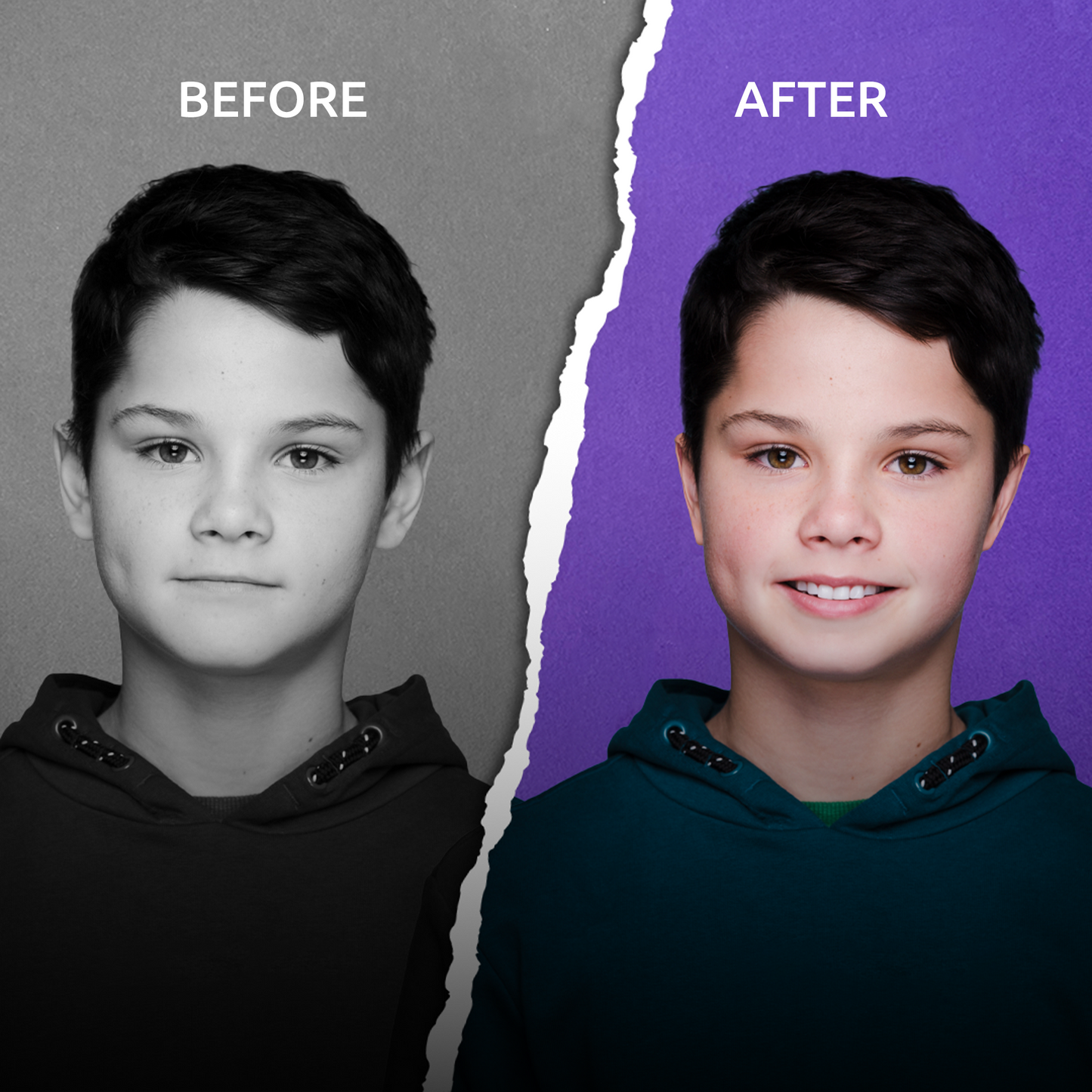
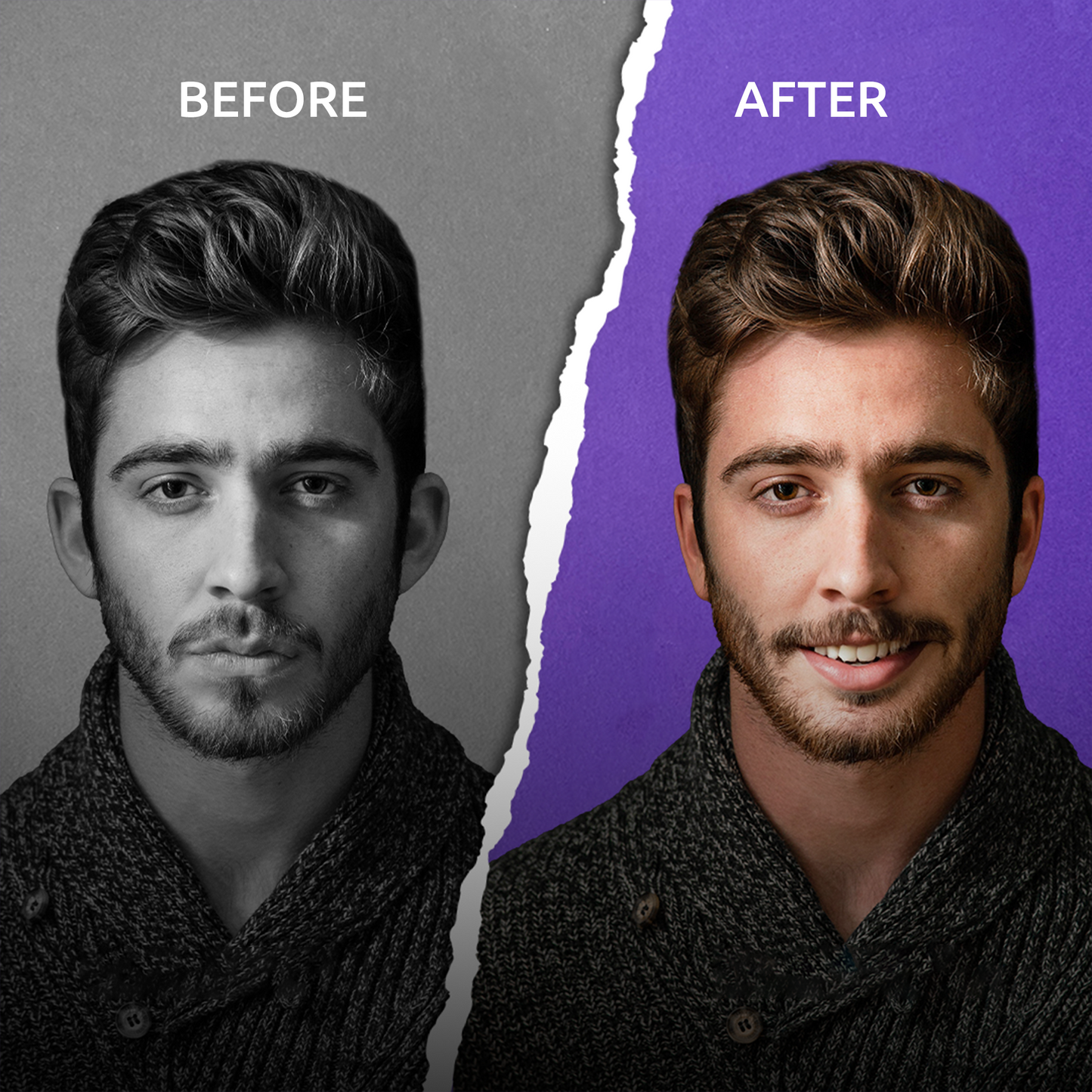
The sense of relief parents describe is palpable. One mom from Texas mentioned how she was dreading her son's newborn photos, worried the camera would highlight the little fold in his ear. After trying EarFix for just a few weeks, she was blown away by the gentle, natural-looking change. Her biggest joy was no longer feeling self-conscious about capturing those irreplaceable moments.
Another family told us their pediatrician suggested looking into non-surgical options. They were thrilled to find an affordable, completely pain-free alternative to otoplasty that they could easily use at home. That one simple, proactive step swapped their anxiety for peace of mind.
"We were so worried about our daughter's ear. Finding a solution that was safe, gentle, and actually worked was a huge weight off our shoulders. Now, we just see our happy, confident little girl."
These stories all follow a similar path from worry to relief. It's about more than just how an ear looks; it's about the emotional comfort that comes from knowing you’ve taken a gentle, effective step for your child’s well-being.
By choosing ear correction stickers, these parents avoided the stress of waiting for an unknown outcome or the prospect of future surgery. You can find more real-life testimonials from families just like yours on our Customer Stories page. This simple path to feeling better is available for your family, too.
Your Simple Path to Peace of Mind
When you're dealing with a folded baby ear, it really all comes back to a few key truths. We've seen that just hoping it will straighten out on its own is often a gamble, because many folded ears simply don't. That’s why those first few weeks of life are a golden window for gentle, effective intervention.
The hard reality is that the odds of self-correction can be surprisingly low. In fact, research on untreated folded ears found that as few as 18% may actually correct themselves over a six-month period. That statistic alone really underscores why taking action early is so important. You can dig into these findings on newborn ear deformities if you'd like to learn more.
Your Actionable Next Steps
A chat with your pediatrician is always a great starting point. It’s the perfect time to share what you’ve noticed and get their professional take on things. Once you feel informed and ready, you can confidently move forward with a non-invasive prominent ears solution that puts your baby's comfort first.
A baby ear corrector like EarFix gives parents a safe, simple, and straightforward path. It’s a modern approach that lets you bypass the stress of the "wait-and-see" game or the possibility of surgery down the road, giving you back a sense of control and peace of mind. By using a gentle, dermatologist-tested sticker, you can help guide your baby’s incredibly soft cartilage into its natural shape.
The most important thing to remember is that you have options—safe, effective options that align perfectly with wanting the very best for your baby.
Your peace of mind is just a click away. Take the next step with EarFix USA by exploring our solutions at earfixusa.com or finding our products directly on Amazon.