
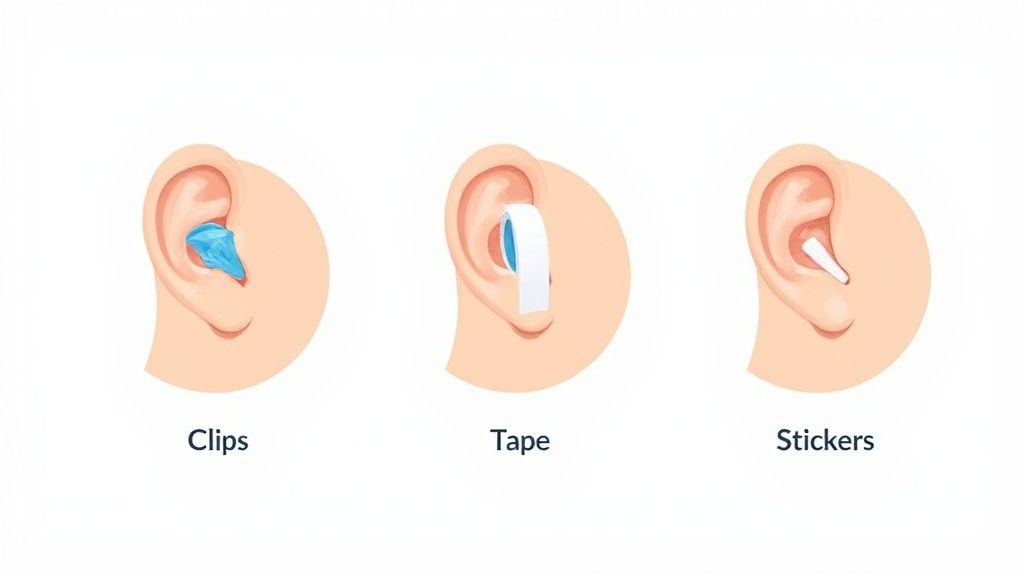
When you’re weighing clips vs tape vs stickers for flattening ears, the best choice really comes down to what you need most. Clips offer a rigid structure and tape is a common DIY fix, but specialized ear correction stickers are engineered for the best mix of comfort, discretion, and a reliable hold. They are, by far, the more modern, user-focused way to get cosmetic improvements without the pain, cost, or downtime of surgery.
Choosing a Non-Surgical Ear Correction Method
Feeling good about how you look should be simple, safe, and entirely up to you. For many people concerned about prominent ears, the thought of otoplasty surgery can be overwhelming. The great news? Effective, non-invasive options are easier to find than ever, giving you a pain-free and affordable way to achieve the look you want and boost your confidence.
This guide will walk you through the three main players in non-surgical ear correction: rigid clips, basic medical tape, and purpose-built adhesive ear correction stickers like EarFix. Understanding their differences is the first step to finding a solution that fits your life, whether it's for daily confidence, a special event, or gently helping your little one.
Quick Look: Clips vs Tape vs Stickers
Each option has its own trade-offs when it comes to comfort, how visible they are, and how practical they are for daily wear. To give you a clear picture right off the bat, here’s a quick breakdown of how they stack up.
| Method | Primary Use Case | Comfort Level | Visibility | Ideal Wear Time |
|---|---|---|---|---|
| Ear Clips | Infant ear molding, often under supervision | Low to Medium (can cause pressure) | High (very noticeable) | A few hours at a time |
| Medical Tape | Temporary, DIY at-home attempts | Low (often irritates skin) | Medium (often visible & wrinkles) | Short-term, unreliable |
| EarFix Stickers | All-day, discreet correction for all ages | High (flexible & skin-like) | Very Low (nearly invisible) | 3-7 days per application |
At its core, the goal of a prominent ears solution is to provide a cosmetic improvement that enhances your confidence without disrupting your life. The best method is one you'll forget you're even wearing.
This quick comparison highlights a key point we'll explore further: while older methods have been around for a while, modern solutions like EarFix are specifically designed for real life, with a laser focus on comfort, safety, and discretion.
If you're looking for an alternative to otoplasty, starting with a gentle, non-surgical option is a fantastic first step. You can see a more detailed breakdown in our EarFix vs Surgery guide. Ready to find the perfect fit? Discover the benefits of a dermatologist-tested baby ear corrector and adult solution by visiting earfixusa.com today.
A Closer Look at Ear Correction Clips
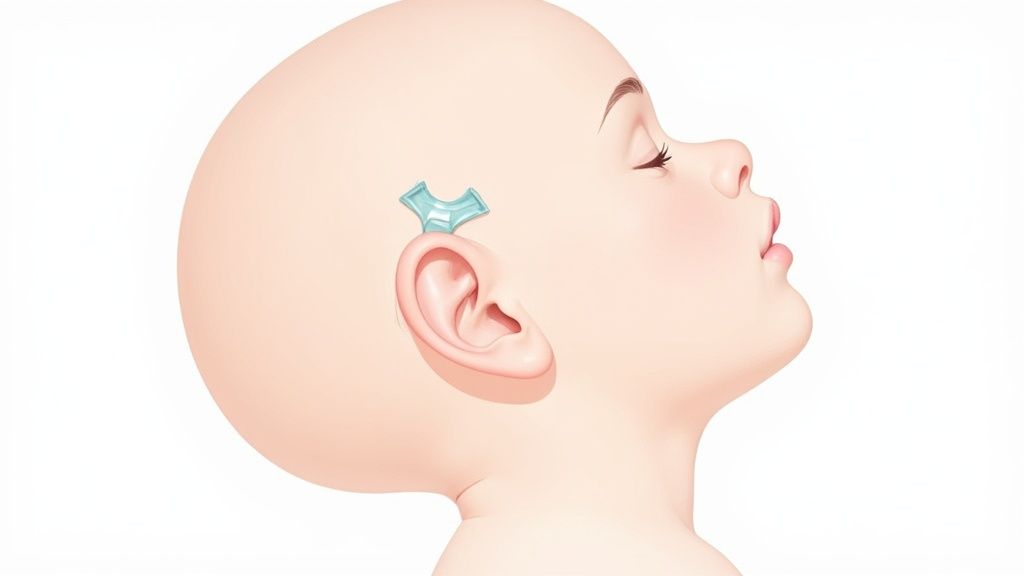
When you start digging into options for a prominent ears solution, you’ll almost certainly come across ear correction clips, especially for infants. The idea behind them is pretty straightforward: apply gentle, consistent pressure to the soft cartilage of a baby’s ear to gradually mold it into a new position.
These devices can be anything from a simple plastic frame to a more complex splinting system designed to hold the ear’s tiny folds in a specific shape. Their main playing field is with babies, whose ear cartilage is still incredibly soft and easy to influence. For adults, the cartilage has long since hardened, which makes clips a much less predictable—and often uncomfortable—choice.
How Do Ear Clips Actually Work?
At their core, ear clips are a form of non-surgical splinting. By holding the ear in the right position for hours at a time, day after day, the clip coaxes the cartilage into retaining that new shape. This isn’t a quick fix; it demands a lot of diligence and consistency, often requiring the clip to be worn for several hours a day over many weeks or even months.
This is especially true for parents looking into a baby ear corrector. The key is to start early, because the cartilage’s malleability drops off sharply after the first few months of life. Some studies have shown really promising results when clips are used consistently on newborns.
For example, one study using simple clips and splints found that 73% of infant ears treated had a satisfactory cosmetic improvement. But the real takeaway was that this success was directly tied to starting the treatment before the baby was six months old. You can read more about these findings on non-surgical techniques to get the full picture.
Practical Pros and Cons of Using Clips
While the theory is solid, the real-world experience of using ear clips comes with a very clear set of benefits and challenges that are important to consider.
Potential Advantages:
- Reusability: Unlike single-use stickers or tape, most clips are made from durable plastic or silicone. You can clean and reuse them, making them a one-time purchase.
- Structural Support: For specific issues like a folded-over helix, the rigid frame of a clip can offer targeted support that a softer adhesive just can't match.
Significant Drawbacks:
- High Visibility: Let's be honest, clips are nearly impossible to hide. Their bulky appearance makes them a non-starter for adults or even older kids who are worried about standing out at school or with friends.
- Discomfort: That constant pressure, no matter how gentle, can get really uncomfortable over time. It’s a particular issue during sleep or for wiggly babies, as the hard plastic can dig into the sensitive skin behind the ear.
- Risk of Pressure Sores: This is a big one. If a clip isn’t fitted perfectly or is worn too long without a break, the rigid material can cut off blood flow and lead to skin irritation or even painful pressure sores.
The core challenge with clips lies in balancing effectiveness with comfort. A device that causes discomfort is less likely to be worn consistently, which undermines the entire process, particularly with fussy infants.
Ultimately, clips can be a viable non-surgical otoplasty tool in a very narrow set of circumstances—mostly for infants and always with close parental supervision. Their lack of comfort and discretion really limits their practicality for most people. Modern alternatives like EarFix were developed specifically to solve these problems, offering a gentle, nearly invisible hold that puts safety and real-life usability first.
You can see how these options stack up in our in-depth comparison of EarFix and surgery. For a more personal take, check out our customer stories to see what has worked for real families.
What About Using Medical Tape for Ear Correction?
When people first start looking for a non-surgical way to pin back prominent ears, many land on what seems like an obvious DIY solution: medical tape. The logic is simple—just tape the ear closer to the head. It sounds quick, easy, and incredibly cheap, but this approach almost always comes with a host of problems that make it more trouble than it's worth.
The tapes people usually reach for are the standard surgical or micropore types you'd find in a first-aid kit. While they’re fine for medical use, they were never designed for the kind of long-term, repetitive wear that ear correction demands, especially on the sensitive skin behind the ears.
The Problem with a DIY Tape Fix
The biggest issue with using regular medical tape is how it holds up (or rather, doesn't) in the real world. The adhesive just isn't built to handle the demands of daily life, which leads to some common frustrations:
- It Doesn't Stay Stuck: Sweat, the skin's natural oils, and even just moving your head can quickly break down the tape's adhesive. A "solution" that gives up halfway through a workout, on a warm day, or while you're sleeping isn't really a solution at all.
- It's Uncomfortable and Obvious: Medical tape isn't flexible like your skin. It can pull, pucker, and feel stiff, which is not only uncomfortable but often creates a wrinkled, unnatural look that's just as noticeable as the ear itself.
- It Can Irritate Your Skin: This is probably the most serious drawback. The adhesives in general-purpose medical tape can easily cause redness, rashes, and itching when stuck to the skin for hours on end. For anyone with sensitive skin, and especially for kids, this risk is significantly higher.
The whole point of a cosmetic fix is to feel more confident. But when your method causes visible skin irritation or fails at the worst possible moment, it usually ends up creating more anxiety than it solves.
Not a Real Long-Term Solution
Even though the low cost is tempting, medical tape is really just a temporary, and often unreliable, trick. It doesn't have the durability, discretion, or skin-safe design of a product made specifically for the job.
Purpose-built correctors like EarFix are engineered with dermatologist-tested, hypoallergenic adhesives that are designed to move with the skin, hold securely for days, and stay gentle enough for the most sensitive users, including babies. The difference is all in the design. EarFix uses a medical-grade silicone that feels flexible and skin-like, while its adhesive is formulated for a strong, waterproof, and breathable hold. This approach avoids all the common pitfalls of using generic tape. You can see a full breakdown of how specialized correctors stack up against other methods in our guide on EarFix vs Surgery and other non-surgical options.
Ultimately, while taping might get you through a quick photo, it’s not a practical or comfortable choice for daily wear. Investing in a solution designed for this specific purpose ensures you get the reliable, discreet, and safe results you’re actually looking for.
The Modern Approach with Ear Correction Stickers
After looking at the stiff, unforgiving nature of clips and the often-frustrating results of DIY medical tape, it's clear why something better was needed. This brings us to the modern, common-sense evolution in non-surgical ear correction: adhesive correctors, or what most people call ear correction stickers. These are a massive leap forward, specifically engineered to solve the exact problems the older methods created.
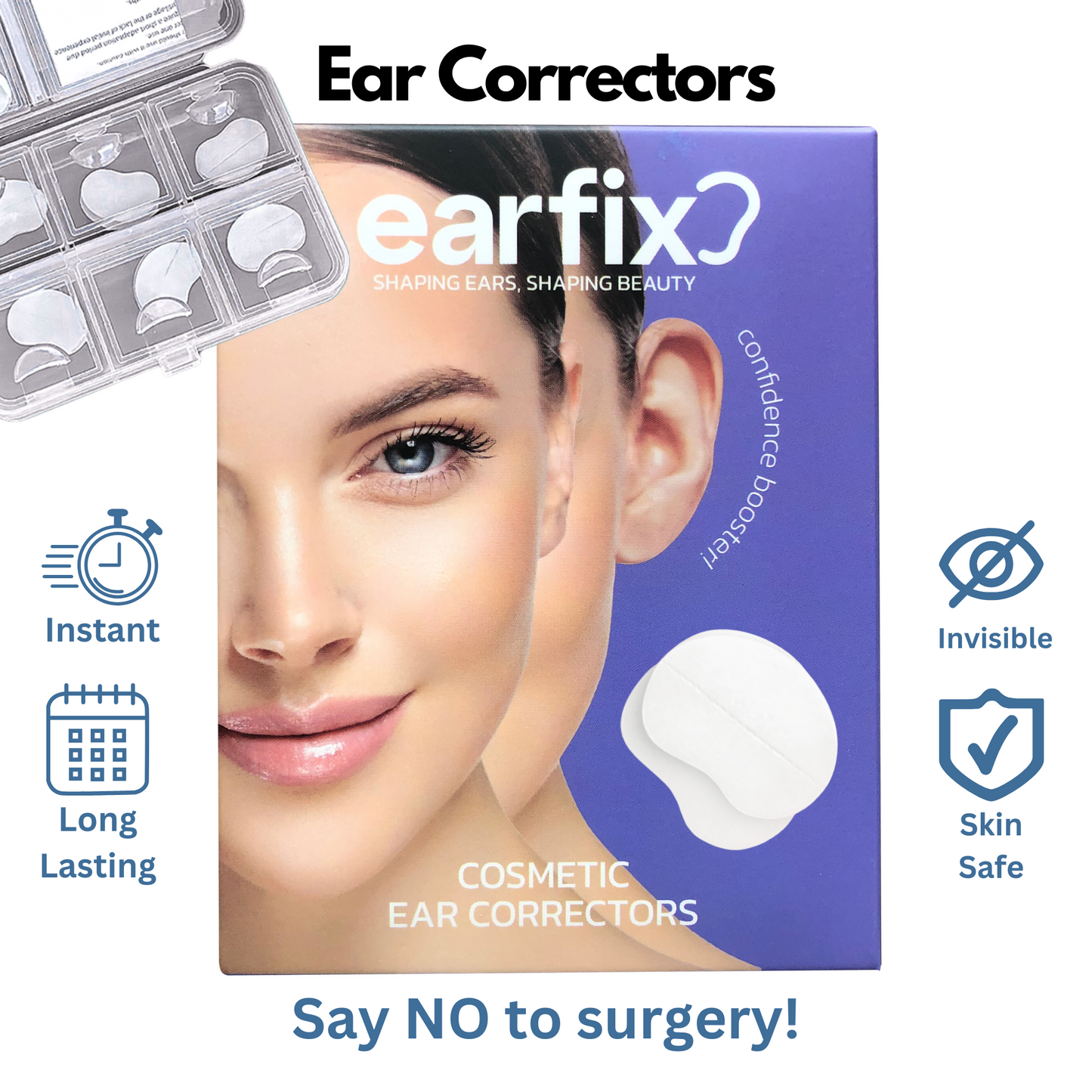
These aren't just random pieces of tape. They are thoughtfully designed solutions built for one single purpose: to give you a discreet, comfortable, and effective cosmetic fix for prominent ears. Products like EarFix are at the forefront, blending medical-grade materials with a design that actually works for real people, making them a practical choice for everyday life.
The Science Behind a Superior Prominent Ears Solution
The secret to a truly effective ear correction sticker is all in the construction. Unlike a roll of generic tape with its harsh, skin-ripping adhesives, premium stickers like EarFix are made from dermatologist-tested, hypoallergenic silicone. This material was chosen for a reason—it has a skin-like flexibility and a gentle feel, which means you can wear it for long stretches without the redness and irritation that standard tapes are famous for.
The shape and structure are just as important. Each corrector is precisely cut and shaped to create a natural-looking fold, gently guiding the ear into a new position without the concentrated, painful force of a clip. This engineered design is what prevents those sharp pressure points that cause discomfort, especially when you're trying to sleep or get through a long day.
The goal of a modern ear corrector isn't just to pin the ear back. It's to do it in a way that feels and looks completely natural. The combination of skin-safe silicone and a flexible, ergonomic design is what makes this happen, offering an experience that's as close to non-surgical otoplasty as you can get.
Designed for Real Life Scenarios
One of the biggest wins for ear correction stickers is just how well they fit into a normal, busy life. They’re designed to be a seamless part of your routine, whether you're heading into a meeting, hitting the gym, or getting ready for a big night out.
Here’s a look at how EarFix holds up in everyday situations:
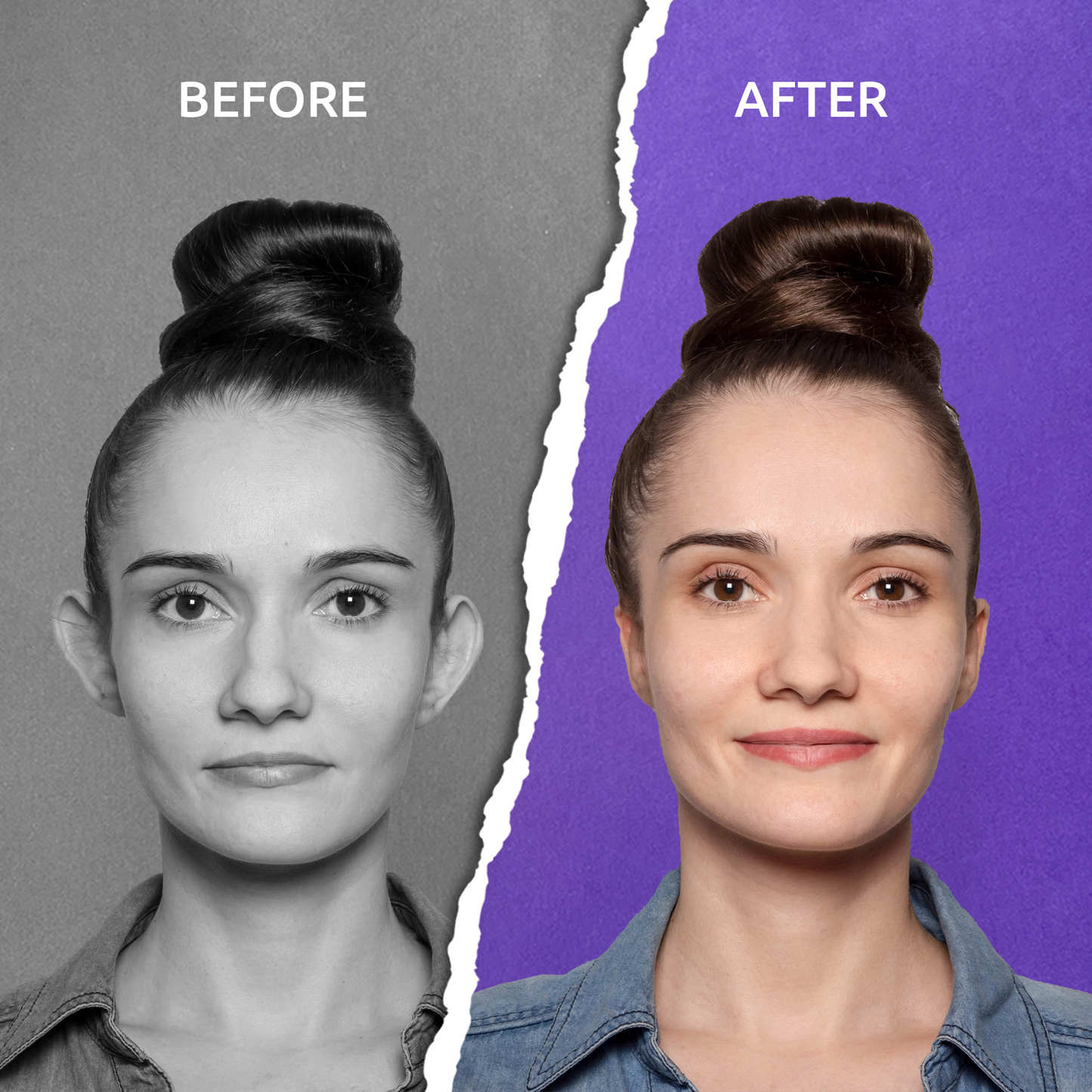
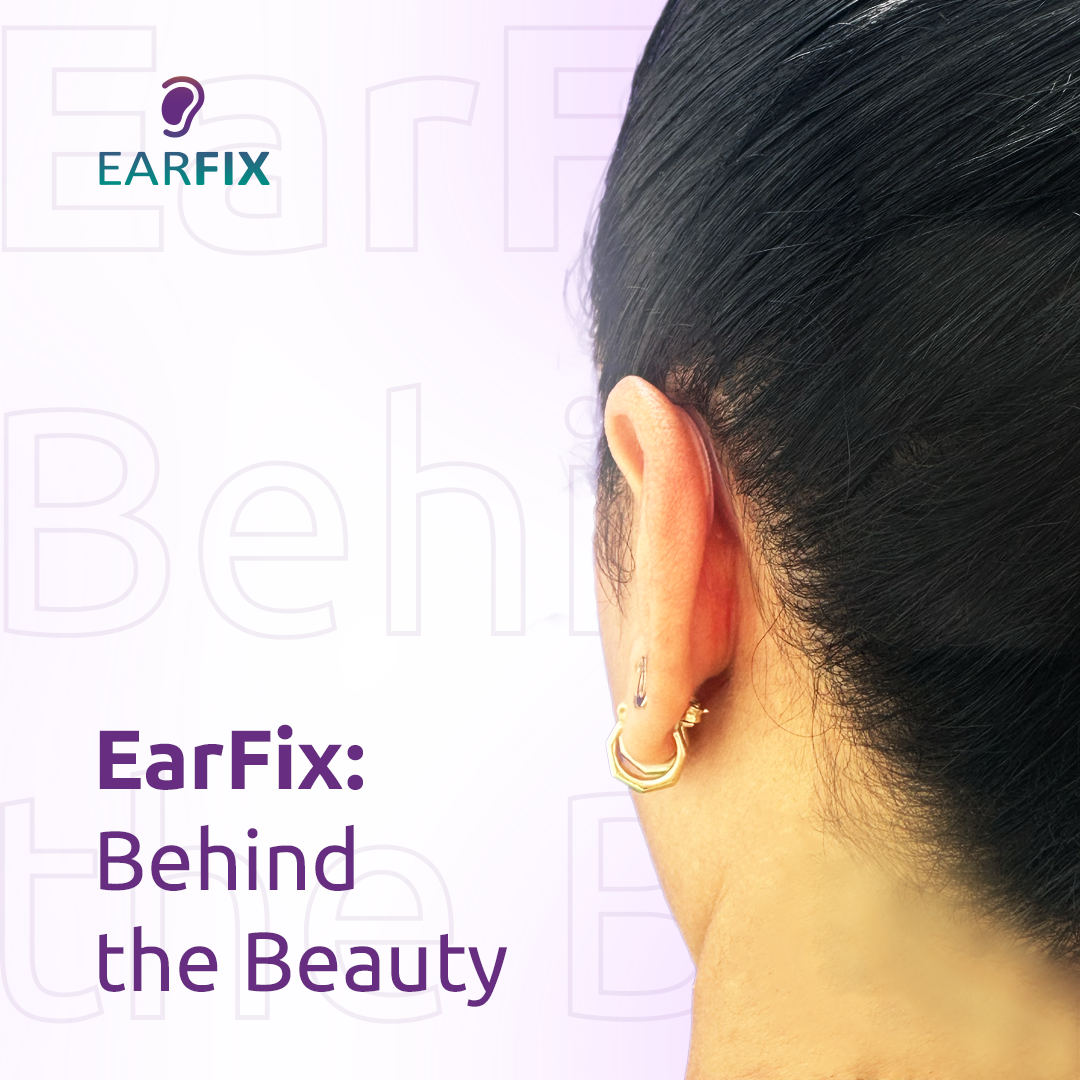
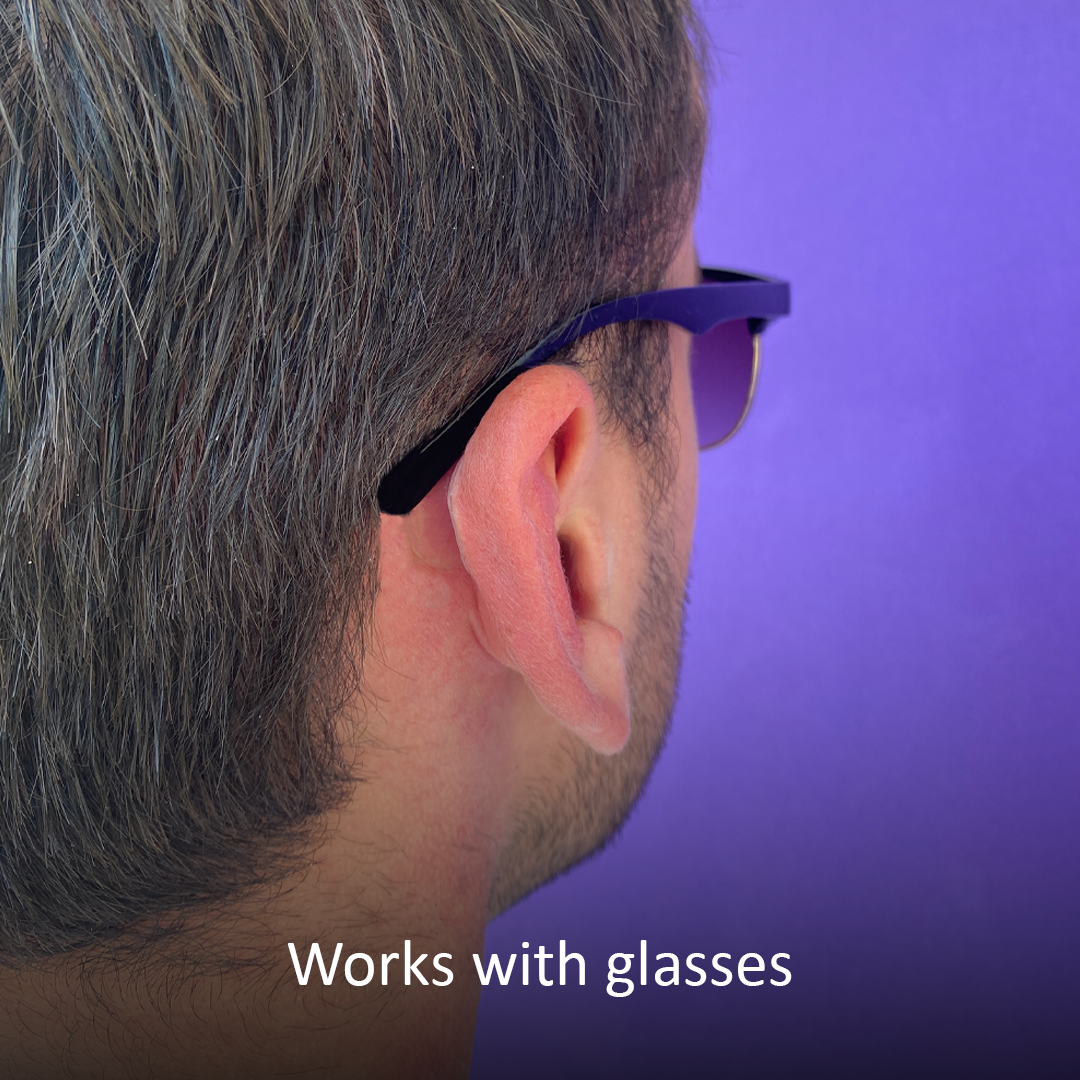
- Virtually Invisible: Made from a transparent, medical-grade material, EarFix stickers are almost impossible to spot. They blend right into any skin tone and are easily hidden by even thin hair, giving you the freedom to wear your hair up, down, or any way you want.
- Durable and Waterproof: The adhesive is the real deal—strong enough to handle sweat, humidity, and even a dip in the pool. You can go about your day without that nagging worry that your corrector might suddenly give up.
- Comfort for All Ages: Because the design is so gentle and skin-safe, they work for just about everyone. For adults, they offer a quiet boost of confidence. For infants, the baby ear corrector version provides a safe, gentle method for guiding ear development, avoiding the risks that come with hard clips entirely.
This incredible versatility makes stickers a standout prominent ears solution. They are just as effective for an adult who wants a temporary change for a photoshoot as they are for a parent looking for a gentle, non-invasive option for their child. You can get a better sense of this by checking out our guide on what to look for when you buy ear correction stickers online.
At the end of the day, ear correction stickers like EarFix perfectly bridge the gap between working well and being practical enough for real life. They offer a pain-free, affordable alternative to surgery that gives you an immediate cosmetic improvement without forcing you to change a thing about your life.
Comparing Your Non-Surgical Options Side-by-Side
Trying to decide between clips, tape, and adhesive stickers can feel overwhelming. But the best choice becomes much clearer when you think about what you actually need day-to-day. It’s not just about whether something works, but whether it works for you—your lifestyle, your comfort, and your confidence.
Let's break down how each of these options really stacks up, looking past the basic pros and cons to see how they perform in the real world.
Effectiveness and Reliability
Getting a consistent, natural look is the whole point, but not all methods deliver. Clips can be somewhat effective for molding the super-pliable cartilage of a newborn, but their rigid design does little for adults. Plus, a wriggly baby can dislodge them in an instant.
Standard medical tape? It's just not reliable. The adhesive isn't made to hold up against skin oils, sweat, or simple movement, which means it often gives up at the worst possible moments.
This is exactly where specialized ear correction stickers like EarFix prove their worth. Their medical-grade adhesive is specifically designed for long-term skin contact, creating a secure hold that lasts for days, even through showers, workouts, and daily life. The design is engineered to hold the ear in a natural position, giving you a predictable and dependable result every single time.
Skin Safety and Overall Comfort
Nothing is more important than your skin's health, especially when you're wearing something for hours or even days at a time. Ear clips, usually made from hard plastic or metal, are the biggest offender when it comes to discomfort. The constant pressure can lead to soreness, irritation, and even pressure sores if you're not careful, making them a terrible choice for sleeping.
Medical tape isn't much of an improvement. Its adhesives can be harsh, often leaving the delicate skin behind the ears red, itchy, and irritated.
While clips offer a reusable frame, their rigid nature can create pressure points during sleep—a challenge addressed by the flexible, skin-like design of EarFix stickers.
EarFix was created to solve this very problem. The correctors are made from dermatologist-tested, hypoallergenic silicone, so they’re soft, flexible, and breathable. They move with your skin, which means you don't get the painful pressure points from clips or the irritating pull of generic tape. This makes them comfortable enough for round-the-clock wear. For parents looking into a baby ear corrector, this gentle approach with its safety-tested materials is absolutely crucial for an infant's sensitive skin.
To help you visualize the path to a discreet, comfortable, and reliable solution, here's a simple chart.
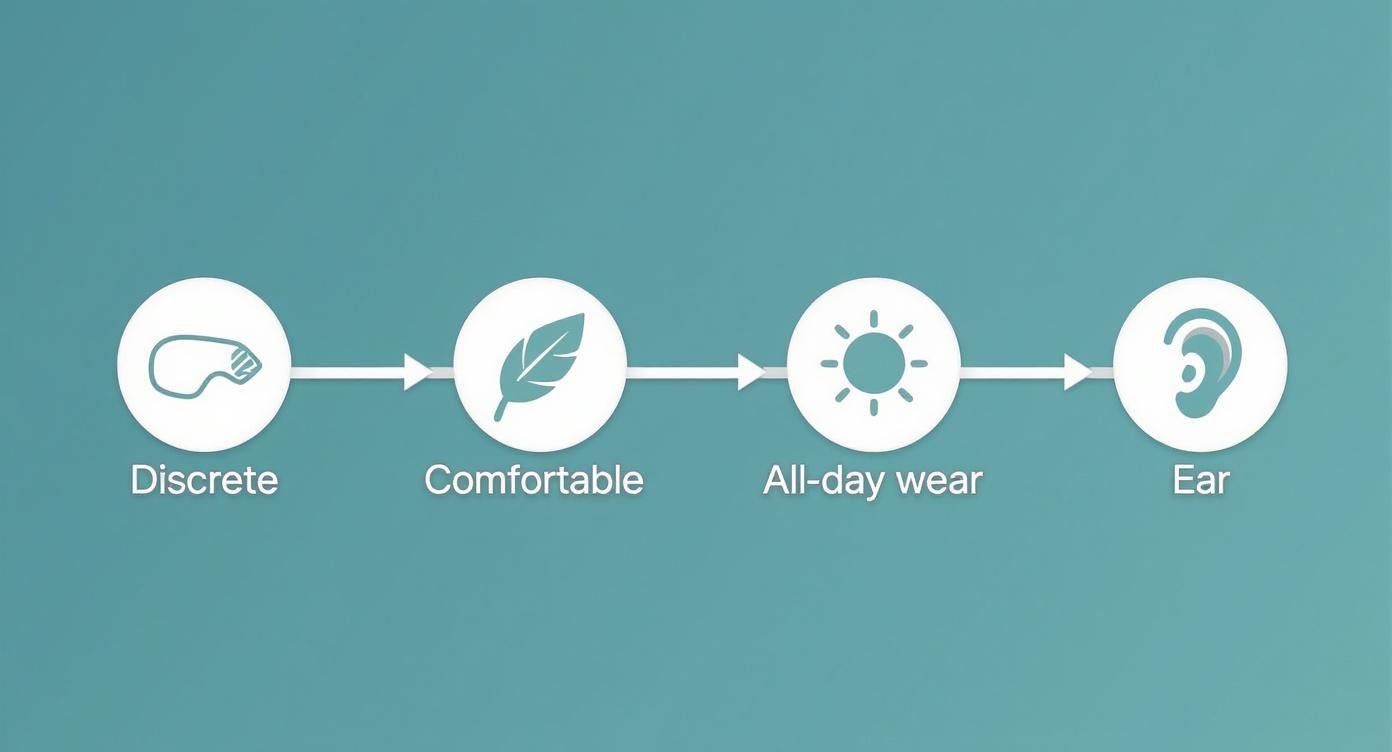
As the guide shows, when the goal is a seamless, all-day solution, a product designed specifically for that purpose, like EarFix, is the clear choice.
Discretion and Usability
For most people searching for a prominent ears solution, being discreet is a top priority. You want a fix that makes you feel great without calling attention to itself. Ear clips are naturally bulky and very visible, which makes them completely impractical for school, work, or any social situation.
Medical tape might be less obvious from a distance, but up close it often wrinkles and its cloudy appearance rarely blends in with skin.
EarFix stickers, on the other hand, are designed to be virtually invisible. They’re made from a transparent material that blends right in with any skin tone. Their low-profile design sits totally flat against the skin, making them undetectable even if you wear your hair pulled back. This is the kind of discretion that lets you wear any hairstyle you want, for any occasion, from a wedding to just a normal day.
Detailed Feature Comparison: Clips vs Tape vs EarFix Stickers
To bring all these points together, let's put these three options head-to-head in a detailed comparison. This table breaks down the practical differences that matter most when making your decision.
| Feature | Ear Correction Clips | Standard Medical Tape | EarFix Correction Stickers |
|---|---|---|---|
| Primary Use-Case | Molding infant ear cartilage (under 6 months) | Temporary, DIY fix for a photo; not for regular wear | Daily cosmetic correction for adults, teens, and infants |
| Wear Time | A few hours at a time; must be removed for sleep | Unreliable; may last minutes to a few hours at best | 3-7 days per application, including during sleep/showers |
| Visibility | Highly visible and bulky; not discreet at all | Can be noticeable up close; wrinkles and doesn't blend | Virtually invisible; transparent and lies flat |
| Comfort Level | Often uncomfortable; creates pressure points | Can pull on skin and hair; adhesive can be irritating | High comfort; flexible, breathable, moves with skin |
| Skin Safety | Risk of pressure sores, chafing, and skin irritation | Can cause redness, rashes, and allergic reactions | Hypoallergenic, dermatologist-tested, medical-grade |
| Effectiveness | Limited to infants; ineffective for adult cartilage | Low and unpredictable; often fails with sweat or oil | Highly effective and reliable for a consistent look |
| Age Appropriateness | Best for infants under parental supervision | Not recommended for regular use at any age | Suitable for all ages, with specific products for babies |
This comparison makes it clear that while clips and tape might have very niche, temporary uses, they fall short for anyone seeking a reliable, comfortable, and discreet daily solution.
Age Appropriateness and Specific Use Cases
So, when does each method actually make sense?
- Clips: Really only for infants under six months, and they must be used with strict parental supervision for very short periods. They are generally unsuitable and uncomfortable for older children and adults.
- Medical Tape: Think of this as a last-resort, DIY fix for a quick photo. It is not a reliable or safe option for regular use, regardless of age.
- EarFix Stickers: This is the most versatile option by far, designed for all ages. The adult version gives you a durable, invisible solution for daily confidence, while the baby ear corrector version provides a safe and gentle alternative for early correction.
Ultimately, when you compare clips vs. tape vs. stickers for flattening ears, specialized stickers like EarFix consistently win out for their superior blend of effectiveness, comfort, safety, and discretion. They are the modern standard for non-surgical otoplasty because they offer a practical solution that fits into real life. Many of our customers have shared their positive experiences, which you can read in our collection of customer stories and comparisons of popular brands.
Why EarFix is the Modern Choice for Confidence
After looking at all the different ways to flatten prominent ears—from clips and tape to adhesive pads—one option clearly stands out. It's the one that gets the balance of safety, effectiveness, and real-world practicality just right. That option is EarFix. It was designed from the ground up to solve the problems that older methods couldn't, offering a dependable, comfortable, and discreet solution for all ages. It’s not just another product; it's a modern approach built for real life.
Think about the common complaints with other methods. Rigid clips dig into your skin and cause painful pressure points. Medical tape often uses harsh adhesives that leave your skin red and irritated. EarFix is different. It's made from a medical-grade, hypoallergenic silicone that’s been dermatologist-tested, so it’s incredibly gentle and safe, even for the most sensitive skin.
The Clear Advantage for Infants and Adults
For parents looking into a baby ear corrector, that focus on skin safety is everything. The soft, flexible material and gentle adhesion hold the ear securely without the chafing or pressure sores you might worry about with hard clips. It’s a safe, nurturing way to help guide an infant's ear development during those crucial first few months.
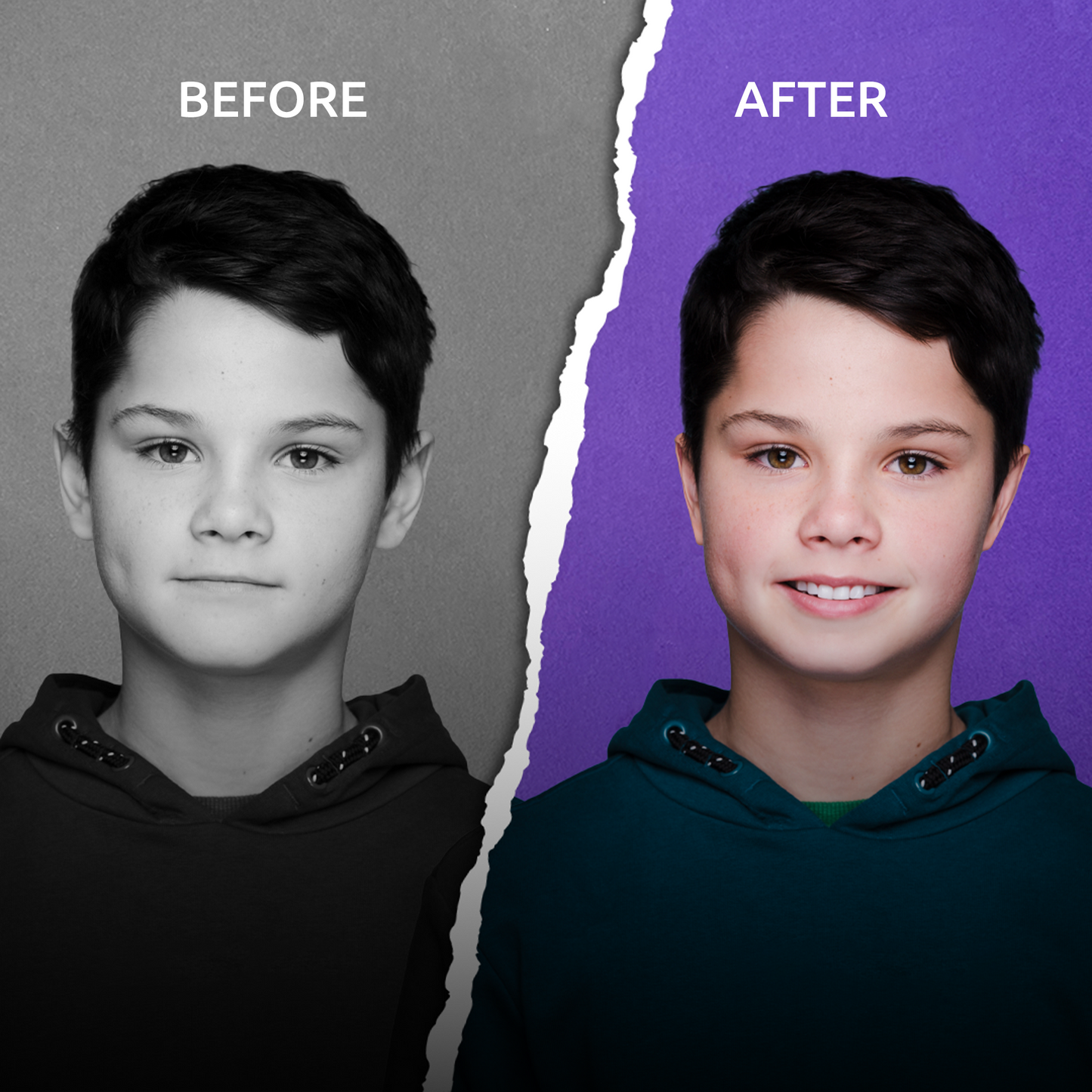
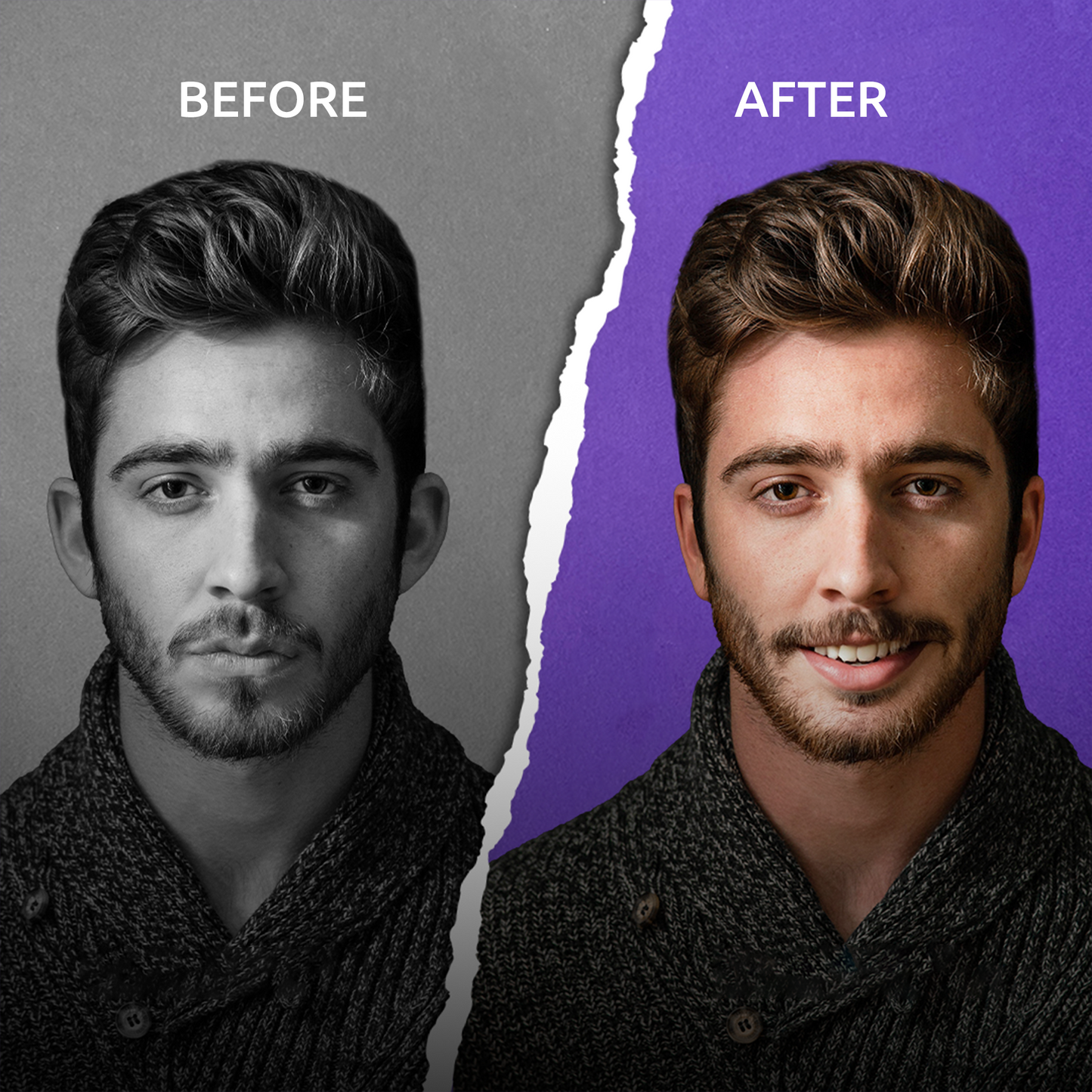
For adults and teens, the benefits are all about confidence and convenience. The correctors are practically invisible. They're made from a clear material that sits flat against the skin and works with any skin tone. This means you can finally wear any hairstyle you want, whether it’s for a big event like a wedding or just for your everyday look. Plus, they’re waterproof and tough enough to last for days, holding up through showers, sleep, and an active lifestyle.
While other methods often make you choose between something that works and something that's comfortable, EarFix is designed to give you both. It's a solution that works with your body and your life, not against it.
When you put clips vs tape vs stickers for flattening ears side-by-side, the choice becomes pretty simple. Clips are usually too uncomfortable and obvious for most people to wear consistently. Standard tape is unreliable and a common cause of skin irritation. EarFix, on the other hand, just delivers a better experience all around—giving you an immediate cosmetic fix that’s both pain-free and easy to manage.
It’s really the best of modern non-surgical otoplasty, blending smart design with high-quality, skin-safe materials. It’s why thousands of people have trusted EarFix to boost their confidence without any discomfort. You can see what they have to say by reading our Customer Stories.
Ready to feel the difference for yourself? Discover the comfort and confidence that comes from a solution designed with you in mind. Visit earfixusa.com to see our products or find us easily on Amazon.
Your Questions About Ear Correction Answered
When you're weighing the options between clips, tape, and adhesive correctors, a few questions always come up. Let's walk through the most common ones so you can feel totally confident about what’s right for you.
Can Ear Correction Stickers Provide a Permanent Fix?
This is a great question, and the answer really depends on age. For infants under six months, their ear cartilage is incredibly soft and pliable. Consistent use of a non-surgical corrector during this time can genuinely lead to lasting, long-term cosmetic improvements.
Once we reach adulthood, however, that cartilage has hardened. So, for adults, adhesive correctors like EarFix provide a fantastic cosmetic solution for daily wear or special events. They won't permanently change your ear shape, but they offer a completely reliable and pain-free way to get the look you want, whenever you want it, boosting your comfort and confidence.
Are Ear Correction Stickers Safe for My Baby?
Yes, but with a big caveat: you absolutely must choose a product made specifically for a baby’s delicate skin. A safe baby ear corrector will be made from dermatologist-tested, hypoallergenic materials that are both gentle and breathable.
EarFix, for instance, was designed with gentle adhesion to give a soft, flexible hold without the hard, uncomfortable pressure you get from clips. This makes it a much safer prominent ears solution for your little one. You can get the full rundown on safe application in our How to Use EarFix guide.
For infants, safety and comfort are everything. The ideal solution has to be gentle enough for their sensitive skin while still providing a secure hold—that's why the specific materials and design matter so much.
How Do I Choose the Right Method for Me?
The best choice really boils down to what you value most. Clips might be an option for babies, but they’re often quite visible and can be uncomfortable. Regular medical tape is cheap, but it’s notorious for being unreliable and causing some pretty significant skin irritation.
For the best balance of effectiveness, comfort, safety, and discretion for any age, specialized adhesive correctors are the clear modern solution. Products like EarFix are specifically engineered to provide a seamless, real-world experience that just works.
Ready to see what the best in non-surgical ear correction feels like? EarFix USA offers a comfortable, discreet, and reliable way to boost your confidence. Explore our products at earfixusa.com or find us on Amazon today.