
If your baby's ears stick out or have an unusual fold, ear shape irregularities affect between 6% and 58% of newborns, depending on the study. Non-surgical ear correction has come a long way, and there are real options available to parents today. This guide compares the three most popular baby ear correction products on the market: EarWell, Ear Buddies, and EarFix Baby. We will cover how each one works, what the research says about effectiveness, and help you figure out which option fits your family's situation.
Why Baby Ear Correction Works Best When Started Early


Before comparing products, it helps to understand the biology that makes all of these solutions possible. In the first weeks after birth, a baby's ear cartilage is unusually soft and pliable. This is due to residual maternal estrogen still circulating in the infant's body. That hormone keeps the cartilage in a flexible, moldable state, similar to warm clay.
This window of cartilage plasticity does not stay open long. Here is a rough timeline based on clinical observations:
- Birth to 2 weeks: Peak plasticity. Cartilage is highly responsive to gentle repositioning.
- 2 to 6 weeks: Still pliable, but starting to firm. Most clinical molding systems target this range.
- 6 weeks to 3 months: Cartilage stiffens considerably. Correction becomes slower and less predictable.
- 3 months and beyond: Cartilage is largely set. Cosmetic adhesive products can still hold ears in position, but structural reshaping is unlikely without medical intervention.
A case series published in Plastic and Reconstructive Surgery found that non-commercial ear molds achieved a 92.6% success rate when treatment began at an average age of 5.81 days and lasted about 32 days. A separate study of 283 ears in 155 infants showed 75% normalization, with 74.2% of families starting therapy before day 14. The message from the research is consistent: earlier is better.
About 30% of newborn ear irregularities self-correct without any intervention. But for the remaining 70%, waiting and hoping can mean missing the easiest window for non-surgical correction, potentially leaving surgical otoplasty ($3,000 to $6,000, plus anesthesia and recovery) as the only option years down the road.
The Three Main Baby Ear Correction Products
Each product takes a fundamentally different approach. Here is a straightforward overview of what you are actually getting with each one.
EarWell: Clinical Ear Molding System
EarWell is a medical device applied and monitored by a trained clinician (typically a plastic surgeon or pediatric ENT). It consists of a rigid, multi-component cradle made of medical-grade silicone that fits around the entire ear. The device physically holds the ear cartilage in the desired shape 24 hours a day for 4 to 6 weeks.
How it works: A specialist fits the device during an office visit. The cradle includes posterior and anterior shells, plus internal retractors that guide specific folds of the ear. Parents return for check-ups and adjustments every 1 to 2 weeks. You do not apply or adjust this device yourself.
Best for: Significant or complex congenital ear deformities (constricted ear, Stahl's ear, cryptotia, severe lidding) diagnosed in the first days of life. This is a medical treatment, not a cosmetic product.
Clinical evidence: A 2022 study reported an 85.8% success rate with the EarWell system when treatment started in the first two weeks of life.
Ear Buddies: At-Home Splinting Kit
Ear Buddies is a UK-based product created by a consultant plastic surgeon. The kit includes small, bendable plastic splints that parents shape and insert into the folds of the baby's ear, then secure with medical-grade adhesive tape strips. It is a DIY system designed for at-home use.
How it works: Parents shape the malleable splint to fit inside the helical rim of the ear. The splint is then taped into position using the included adhesive strips. The tape needs to be replaced every few days or after baths. Some parents report needing to shave a small patch of hair behind the ear for better adhesion.
Best for: Mild to moderate ear shape concerns in young infants (birth to about 6 months). Parents who are comfortable with a multi-step, hands-on application process and willing to re-tape regularly.
Track record: Ear Buddies reports over 100,000 units sold worldwide. The product has a strong following in the UK and Europe, though availability in the US requires international shipping.
EarFix Baby: Adhesive Ear Correction Stickers
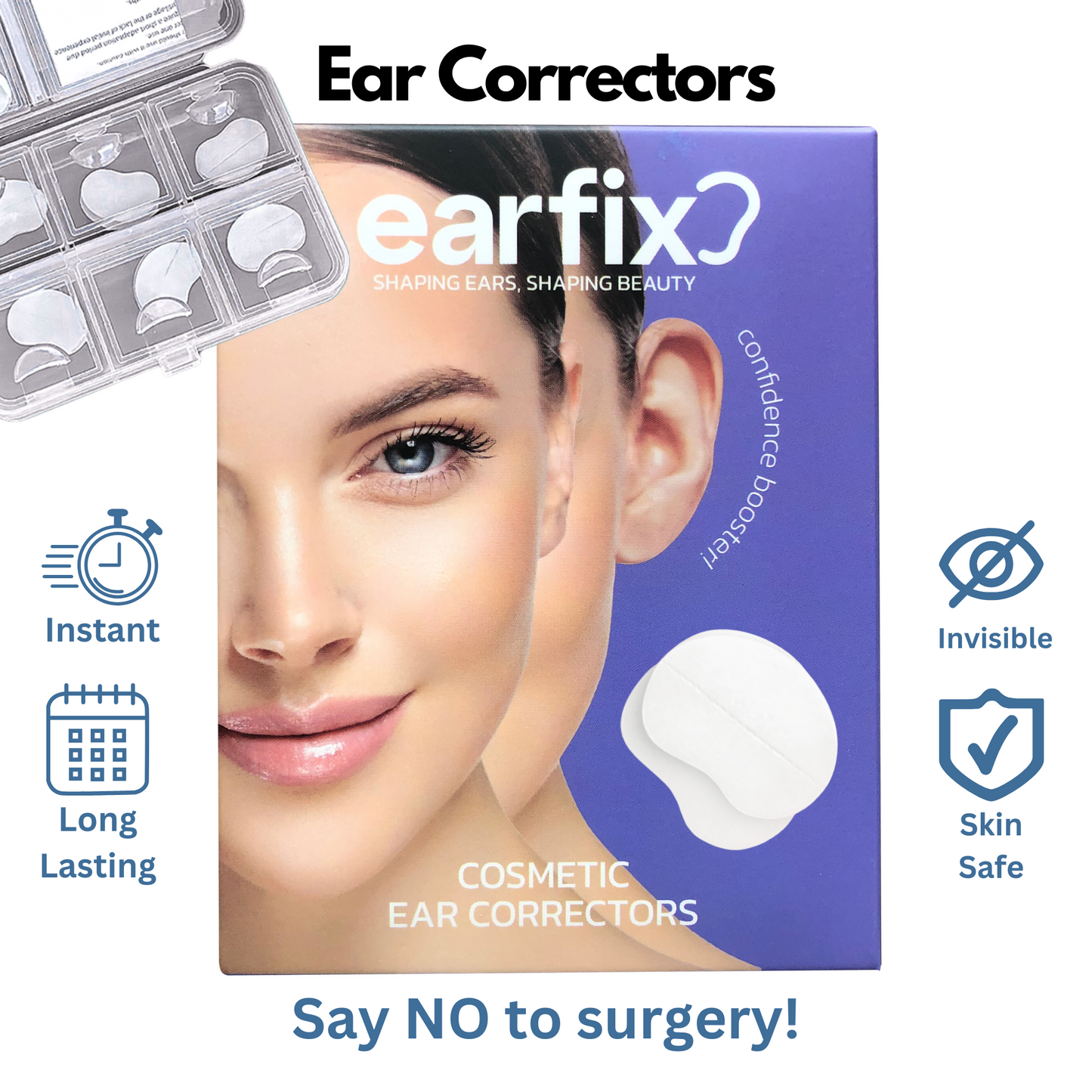
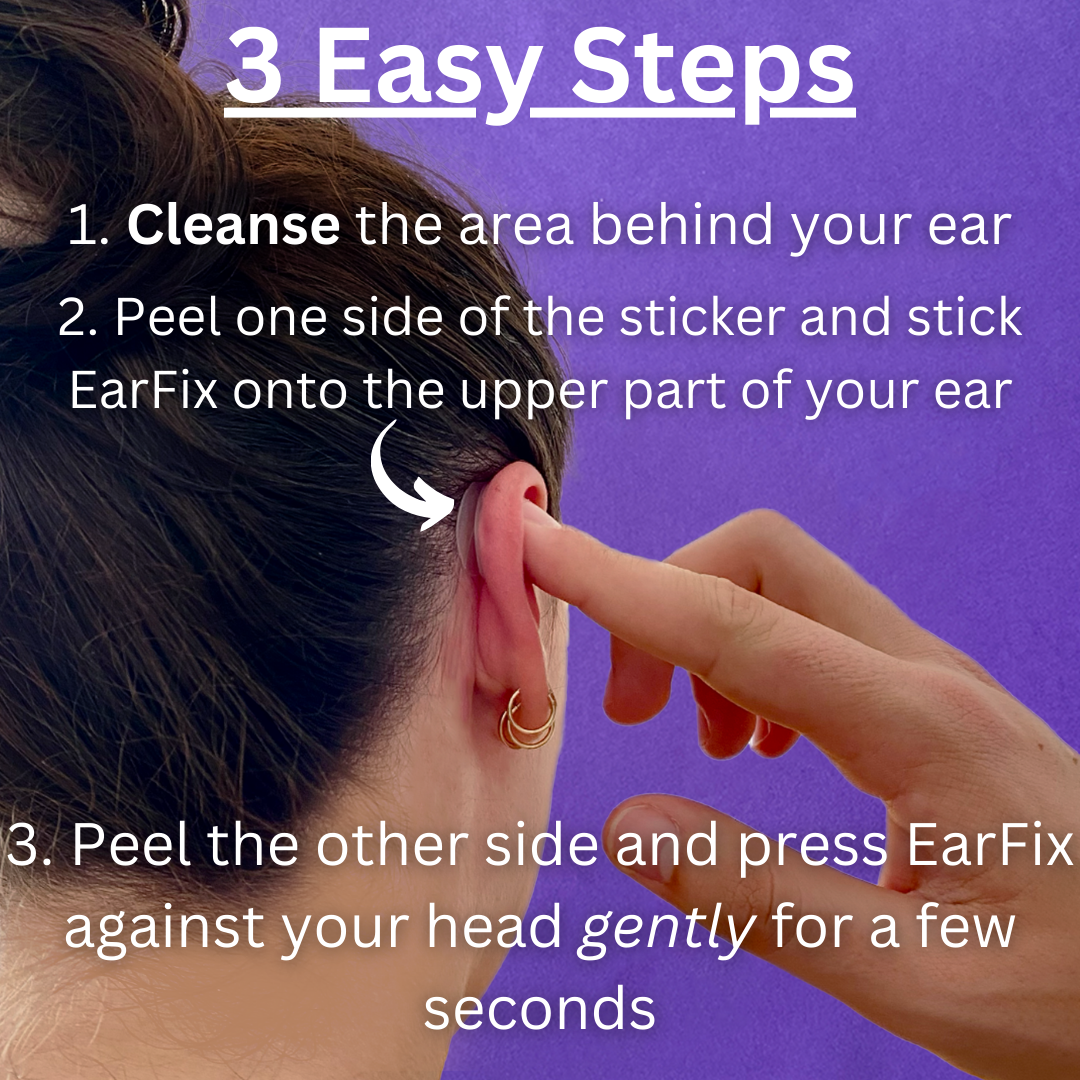
EarFix Baby is a single-piece, hypoallergenic silicone adhesive sticker designed for at-home use. Rather than internally splinting the ear, it adheres to the back of the ear and the skin behind it, holding the ear closer to the head in a more typical position. It is the simplest product in this comparison.
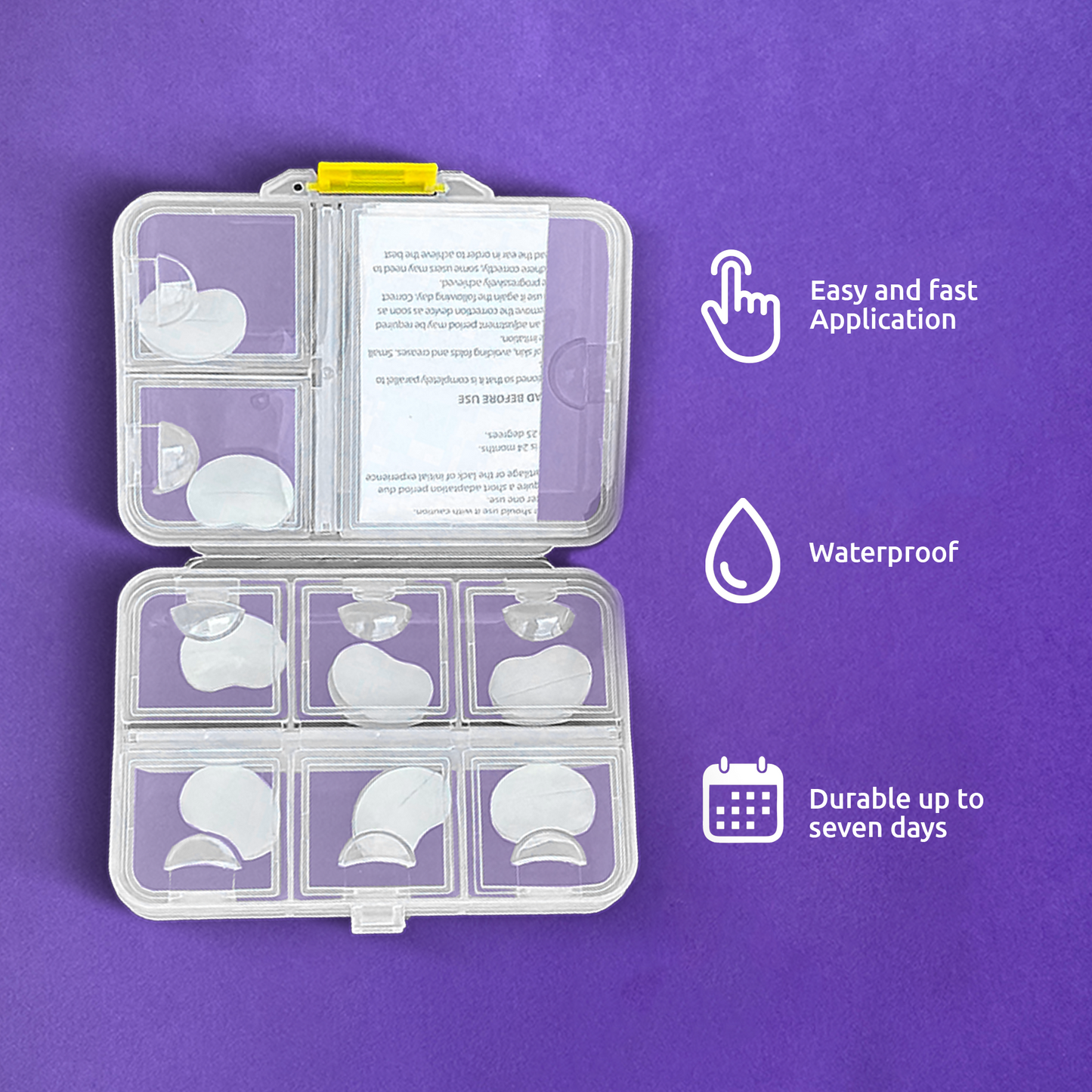
How it works: Clean the skin behind the ear, peel the backing off the sticker, position it on the back of the ear, then press the ear gently against the head. The entire application takes under a minute. Each sticker lasts 3 to 7 days before replacement.
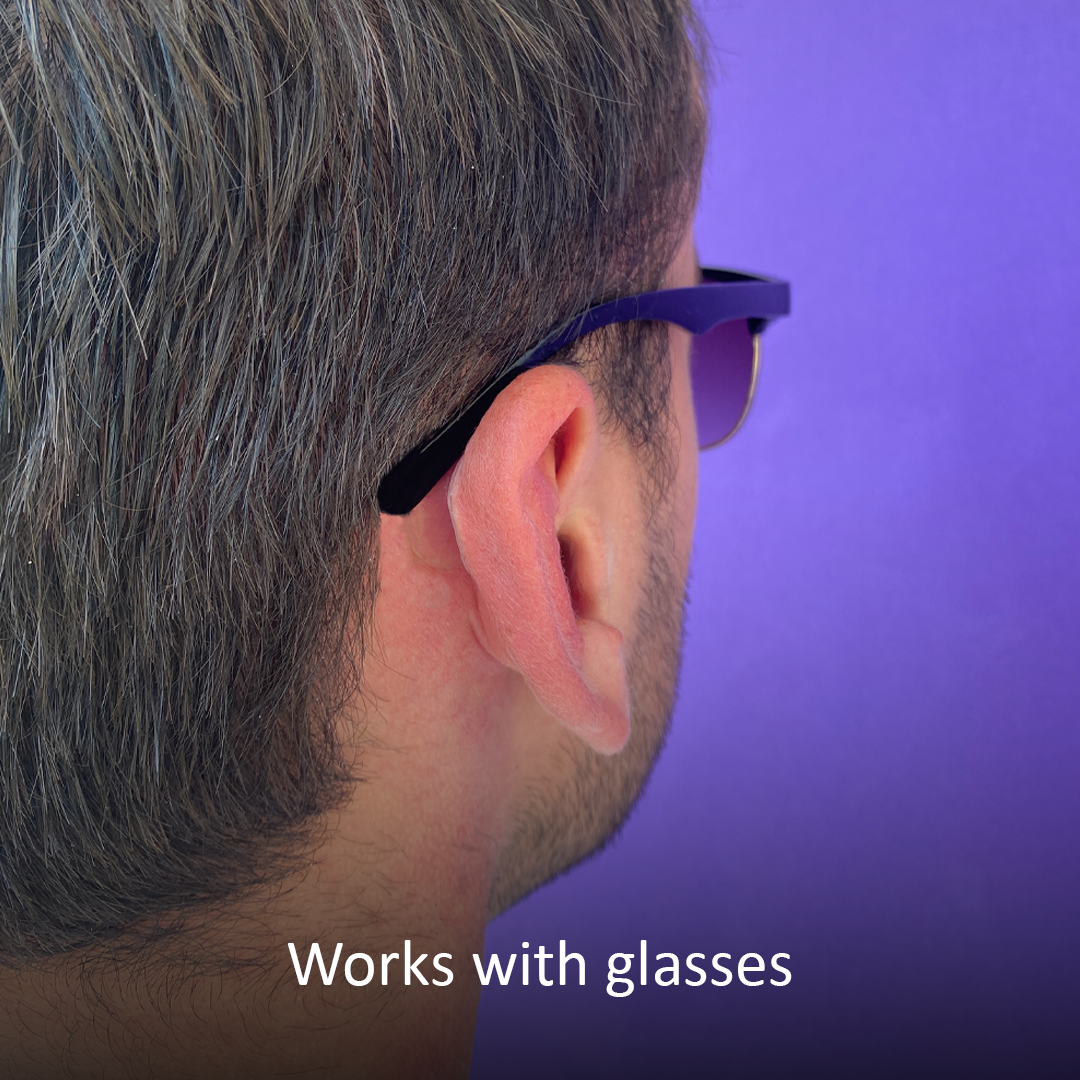
Best for: Prominent ears (ears that stick out) in babies 3 months to 3 years. Parents who want a simple, low-commitment approach. Also works well for older children and adults who want a cosmetic hold for photos or daily wear.
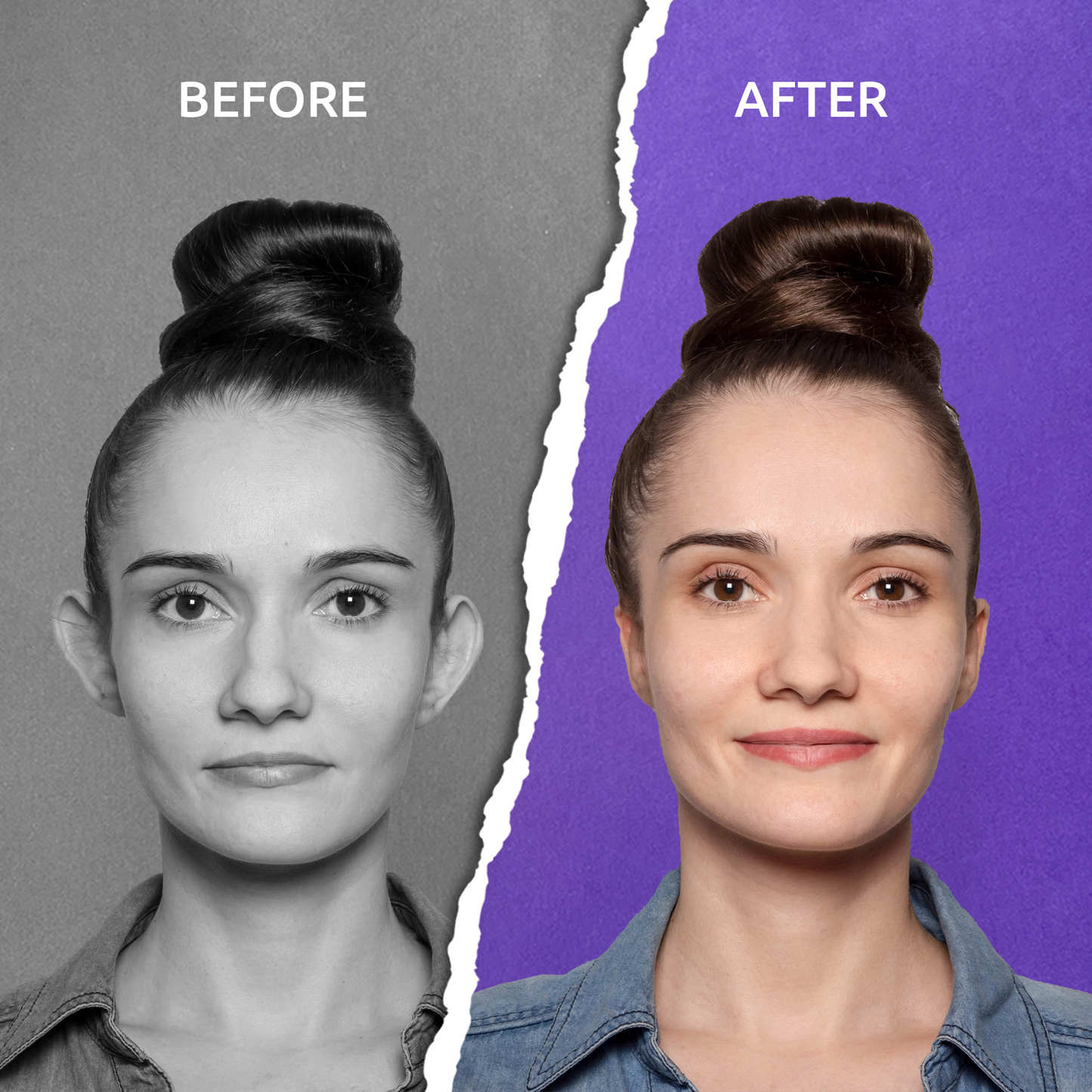
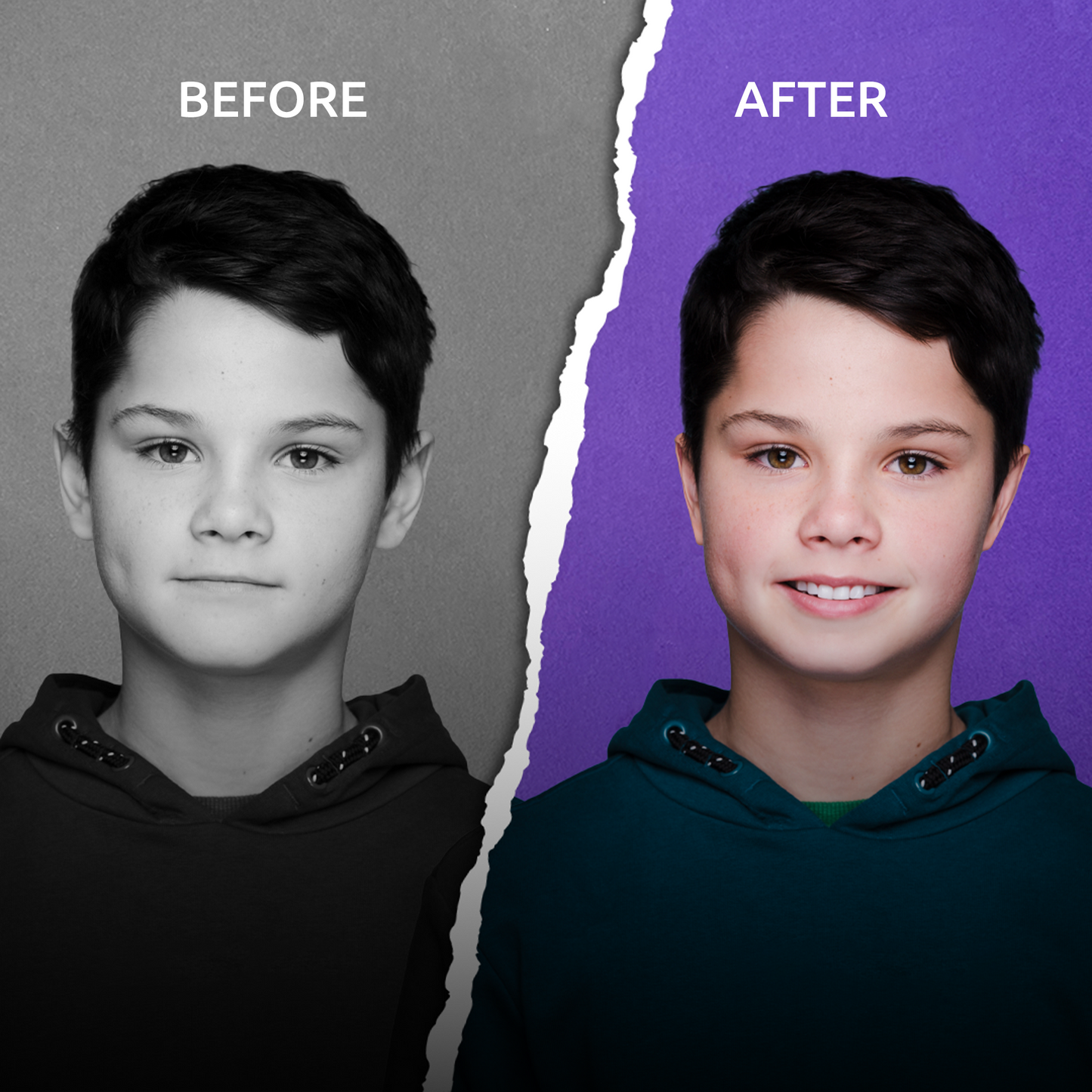
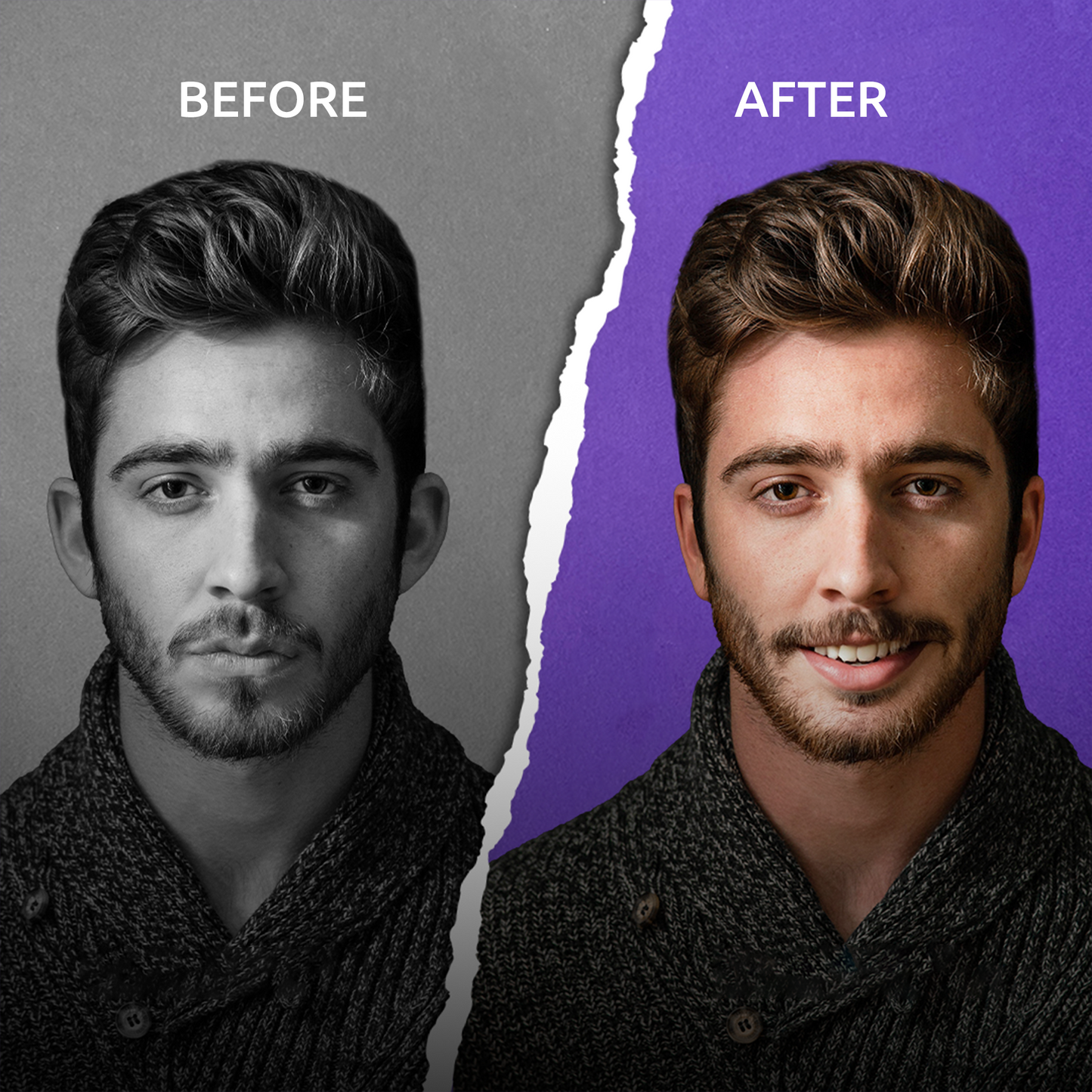
Important distinction: EarFix Baby provides cosmetic correction by holding the ear in position. It is not a cartilage-reshaping medical device like EarWell. Consistent use during the early months, when cartilage is still somewhat pliable, may help guide the ear's resting position over time, but the primary benefit is immediate cosmetic improvement.
Side-by-Side Comparison Table
| Feature | EarWell | Ear Buddies | EarFix Baby |
|---|---|---|---|
| Type | Medical device (clinical) | At-home splinting kit | Adhesive correction sticker |
| Applied by | Trained clinician | Parents (DIY) | Parents (peel and stick) |
| Ideal age to start | Within first 1-2 weeks | Birth to 6 months | 3 months to 3 years |
| Prescription required | Yes (specialist referral) | No | No |
| How it corrects | Rigid cradle reshapes cartilage | Internal splint + tape reshapes cartilage | External adhesive holds ear against head |
| Treatment duration | 4-6 weeks, worn 24/7 | Weeks to months, worn 24/7 with re-taping | Worn daily or as needed; each sticker lasts 3-7 days |
| Application difficulty | None (done by doctor) | Moderate (shaping splints, taping) | Very easy (peel and stick) |
| Cost | $3,000-$6,000 (may be partially covered by insurance) | ~$45-$60 for kit, plus ongoing tape costs; ships from UK | $19.99 per pack |
| Visibility | Noticeable (rigid cradle around ear) | Somewhat visible (tape strips) | Nearly invisible (clear silicone) |
| Water resistant | Requires careful bathing | Tapes may loosen with water | Yes |
| Available in US | Yes (through specialists) | Ships from UK | Yes (Amazon and earfixusa.com) |
What the Research Says About Ear Molding Effectiveness
Parents rightly want to know: do these products actually work? The clinical evidence is encouraging, though it is important to understand what "works" means for each category.
Clinical ear molding (EarWell and similar devices)
The strongest evidence exists for physician-applied molding systems used in the first weeks of life. A 2022 meta-analysis of 12 studies covering 1,027 ears found an 89.1% correction rate with early molding. Complications (mostly minor skin irritation) occurred in 11.4% of cases. Individual studies report success rates between 85% and 95% when treatment begins before two weeks of age.
The evidence is clear that timing matters enormously. Success rates drop significantly when treatment starts after 3 to 4 weeks.
At-home splinting (Ear Buddies and similar kits)
Formal clinical trials specifically on Ear Buddies are limited. The product's approach is based on the same biomechanical principles as clinical molding (holding cartilage in position during the plasticity window), but applied by parents rather than clinicians. Anecdotal evidence and the product's long market history (100,000+ units sold) suggest it can be effective, particularly for mild to moderate concerns when used early and consistently. However, results depend heavily on correct application technique, which varies between families.
Adhesive correction stickers (EarFix Baby and similar products)
Products in this category provide immediate cosmetic improvement by physically holding the ear closer to the head. There are no large-scale clinical trials measuring permanent cartilage change from adhesive stickers alone. The value proposition is different: an affordable, risk-free way to improve the appearance of prominent ears right away, with the possibility that consistent use during the pliable cartilage window may encourage a more favorable resting position over time.
A note on honesty
Any product that claims guaranteed permanent correction of ear shape through an adhesive sticker alone should be viewed with skepticism. Clinical ear molding systems have the strongest evidence for lasting structural change. At-home products (both splints and stickers) offer varying degrees of benefit depending on the severity of the concern, the age of the child, and the consistency of use. Being realistic about what each product can and cannot do helps parents make better decisions.
Pros and Cons of Each Option
EarWell
Pros:
- Strongest clinical evidence for permanent correction
- Applied and monitored by medical professionals
- Effective for complex deformities, not just prominent ears
- Parents do not need to manage the device themselves
Cons:
- Very expensive ($3,000-$6,000); insurance coverage is inconsistent
- Requires multiple specialist visits
- Extremely narrow treatment window (ideally first 1-2 weeks of life)
- Not available in all areas; requires a trained provider
- The rigid cradle can be bulky and requires careful monitoring for skin issues
Ear Buddies
Pros:
- More affordable than clinical treatment
- No doctor visits required
- Customizable splint fits different ear shapes
- Established product with long track record
Cons:
- Steeper learning curve for parents (shaping splints, proper taping)
- Requires frequent re-taping (every few days and after baths)
- May require shaving a small patch of baby's hair for adhesion
- Ships from the UK, so US delivery can take longer
- Ongoing tape costs add up over weeks or months of treatment
- Multiple components can shift or come loose during normal baby activities
EarFix Baby
Pros:
- Extremely simple application (under one minute)
- Most affordable option ($19.99 per pack)
- Nearly invisible when worn
- Hypoallergenic, dermatologist-tested medical-grade silicone
- Water resistant; holds through baths and daily activities
- No prescription or specialist visits needed
- Ships quickly within the US (available on Amazon)
Cons:
- Provides cosmetic hold rather than structural cartilage reshaping
- Not designed for complex ear deformities (constricted ear, cryptotia, etc.)
- Single-use stickers need regular replacement
- Best for prominent ears specifically, not all ear shape concerns
Which Option Is Right for Your Family?
The right product depends on three factors: the type and severity of your baby's ear concern, your budget, and how early you are catching the issue.
Consider EarWell if: Your baby has a diagnosed structural ear deformity (not just ears that stick out), your pediatrician or ENT has referred you, you are within the first two weeks of life, and you can access a trained specialist. If insurance covers it, this is the gold standard for complex cases.
Consider Ear Buddies if: Your baby is under 6 months old, you are comfortable with a hands-on DIY approach, the concern is mild to moderate ear shaping (not just prominence), and you are willing to commit to consistent daily management including re-taping.
Consider EarFix Baby if: Your primary concern is ears that stick out (prominent ears), you want something simple that you can start using right away without a learning curve, budget is a factor, or your baby is past the early newborn molding window and you want an effective cosmetic solution. It is also a good option for families who want to try something low-risk before committing to more involved approaches.
For many families, especially those who discover the concern after the first few weeks, EarFix Baby offers a practical starting point. It is low-cost, low-risk, and provides an immediate visible improvement. If the ears require more structural correction, you can always consult with a pediatric ENT about clinical options.
For a broader look at why your baby's ears might stick out and what other parents have done about it, see our complete guide to baby ears that stick out.
Tips for Getting the Best Results
Regardless of which product you choose, these general guidelines apply:
- Start early. For any non-surgical approach, earlier is almost always better. The cartilage plasticity window is real and well-documented.
- Be consistent. All of these products work through sustained, gentle positioning. Intermittent use will produce weaker results than consistent daily wear.
- Prep the skin properly. Clean, dry skin (free of lotions and oils) is essential for any adhesive product. This single step makes the biggest difference in how long stickers and tapes stay in place.
- Take weekly photos. Changes happen gradually and are easy to miss day to day. A weekly photo log helps you track progress and decide when to continue or adjust your approach.
- Watch for skin irritation. Minor redness is normal with any adhesive product. If redness lasts more than 30 minutes after removal, give the skin a break and consult your pediatrician.
- Talk to your pediatrician. Especially if you are unsure whether the ear concern is purely cosmetic or involves a structural deformity. A quick evaluation can save you time and help you pick the right product category.
Frequently Asked Questions
At what age should I start baby ear correction?
For clinical molding (EarWell), the ideal window is the first 1 to 2 weeks of life. For at-home splints (Ear Buddies), the first 6 months offers the best results. For adhesive stickers (EarFix Baby), you can start from 3 months onward. In all cases, earlier use during the cartilage plasticity window tends to produce better outcomes. If you have missed the newborn window, adhesive products can still provide meaningful cosmetic improvement.
Do ear molding kits permanently change ear shape?
Clinical molding systems like EarWell have the best evidence for permanent structural change, with success rates of 85-95% when started in the first two weeks. At-home splints can achieve lasting results when used consistently during the plasticity window, though formal clinical data is more limited. Adhesive stickers provide immediate cosmetic improvement and may encourage a more favorable resting position with consistent early use, but should not be expected to permanently restructure cartilage on their own.
Are these products safe for newborn skin?
All three products use medical-grade materials designed for sensitive skin. EarWell is monitored by a physician who checks for skin issues at each visit. Ear Buddies uses medical-grade adhesive tapes, though the multi-component system means more skin contact area. Adhesive sticker products use dermatologist-tested, hypoallergenic medical-grade silicone with minimal skin contact. With any adhesive product, do a small patch test first and inspect the skin regularly for redness or irritation.
Can I use these products if my baby is older than 6 months?
EarWell is generally not effective after the first few weeks of life. Ear Buddies becomes less effective as cartilage firms up, typically after 6 months. Adhesive stickers can be used on children from 3 months through age 3 (and beyond) because their primary function is cosmetic positioning rather than cartilage reshaping. For older babies with prominent ears, an adhesive product is usually the most practical non-surgical option.
How much does baby ear correction cost in total?
EarWell treatment typically runs $3,000 to $6,000, including the device, fitting, and follow-up appointments. Insurance coverage varies widely. Ear Buddies kits cost approximately $45 to $60, plus ongoing tape replacement costs (which can add $20-$40+ over a full treatment course). Adhesive sticker kits start at around $19.99 per pack, with each sticker lasting 3 to 7 days. For a month of continuous use, expect to spend roughly $20 to $40.
Should I see a doctor before trying an at-home ear correction product?
It is always a good idea to have your pediatrician evaluate your baby's ears. A doctor can determine whether the concern is purely cosmetic (prominent ears) or involves a structural deformity that may benefit from clinical treatment. For straightforward prominent ears, many parents start with an at-home solution like EarFix Baby or Ear Buddies and consult a specialist only if they want to explore clinical options. For anything beyond simple prominence, a medical evaluation is recommended before choosing a correction method.
Looking for information in Spanish? Read our guide to corrector de orejas para bebes for a complete overview of non-surgical baby ear correction.