
Prominent ears affect roughly 5% of the population, and the right hairstyle can completely transform how your face looks in the mirror and on camera. The secret is almost always the same: volume, soft layers, and strategic parting. These techniques create balance and draw attention to your best features rather than your ears.
This guide covers specific cuts for women, men, and kids, plus styling tricks, accessories, and contouring techniques that professional makeup artists and models actually use. Every style includes what to ask your stylist for and how to maintain it at home.
Best Women's Hairstyles for Big Ears
1. Shoulder-Length Layers with Side-Swept Bangs

The most universally flattering option. Layers starting below the jawline create movement that naturally covers the ears without looking intentional. Side-swept bangs pull focus diagonally toward your eyes and cheekbones. The added volume and texture draw the eye horizontally, balancing your facial features.
- Ask your stylist for: Soft, blended layers beginning just below the earlobe, with bangs long enough to graze your cheekbones.
- Styling tip: Use a round brush while blow-drying and lift at the crown for height. A light texturizing spray on dry hair separates the layers for a modern finish.
- Works best for: Oval, heart, and square face shapes.
2. Blunt Bob with Full Bangs

A chin-length blunt bob creates a strong horizontal line at the jaw, giving excellent ear coverage while framing the face beautifully. The style's solid shape ensures hair stays in place, offering consistent concealment. Full, straight-across bangs draw all attention to your eyes and browline, creating a striking focal point that pulls attention away from the sides of your head. This classic cut was popularized by icons from Louise Brooks to modern K-pop stars.
- Ask your stylist for: A true blunt cut with no layers to maintain weight and coverage. Bangs cut slightly longer when wet (they'll appear shorter once dry).
- Styling tip: Flat iron for a pin-straight finish with a smoothing serum for high-gloss shine. Trim bangs every 3-4 weeks to maintain the clean line.
- Works best for: Oval and heart-shaped faces. Particularly effective with thick, straight hair.
3. Long Wavy Hair with Face-Framing Layers
The length alone provides ample coverage, while loose waves add volume that prevents hair from lying flat and highlighting the ear area. A center part creates a balanced, symmetrical appearance, and face-framing layers starting around chin length draw the eye inward toward your smile and cheekbones rather than outward to the sides.
- Ask your stylist for: Long layers throughout, with specific face-framing pieces that start around chin length. A center part is key for creating that flattering symmetry.
- Styling tip: Large-barrel curling iron for loose, undone waves, or sleep in loose braids overnight for a heat-free method. A light mist of sea salt spray on damp hair encourages natural texture and adds grip to help hair hold its shape throughout the day.
- Works best for: Square, round, and oval face shapes. Ideal for those who prefer a soft, bohemian look.
4. Curtain Bangs with Medium Length
One of the trendiest options right now. Curtain bangs part in the middle and sweep softly to the sides, framing your face while the tendrils skim past the ears. Combined with subtle curls at shoulder length, this creates volume and movement that naturally detracts from prominent ears. It works because it puts a strong focal point at the center of your face, directing attention to your eyes and cheekbones.
- Ask your stylist for: Wispy, layered curtain bangs long enough to tuck behind your ears if desired. The medium length should include subtle layers to encourage natural waves.
- Styling tip: Use a large-barrel curling wand, wrapping sections away from your face for a windswept look. A texturizing spray on the mid-lengths and ends enhances the waves and prevents them from falling flat.
- Works best for: Most face shapes, straight to wavy hair.
5. Shag Cut with Tousled Texture
The organized chaos of a shag cut creates so much visual movement that prominent ears become a non-issue. Choppy layers and long, face-framing bangs offer natural, piece-y coverage that looks intentional and stylish. This retro-modern look, popularized by Stevie Nicks and revived by stars like Miley Cyrus, draws attention to its own dynamic shape.
- Ask your stylist for: A modern shag with heavy layering around the face and long, wispy bangs that blend into the sides. Mention you want coverage around the ears.
- Styling tip: Sea salt or texturizing spray on damp hair, scrunch with fingers, and air-dry or use a diffuser. For blow-drying, use your fingers to direct air in multiple directions for the signature shaggy, voluminous effect.
- Works best for: Wavy or naturally textured hair. Oval, long, and heart-shaped faces.
6. Pixie Cut with Longer Top
Short hair is not off-limits. A modern pixie with closely cropped sides and 2-3 inches of length on top draws the eye vertically to the crown. The upward volume pulls focus away from the sides of the head, creating a powerful silhouette that highlights your eyes and bone structure. This is a bold, confident choice that works exceptionally well when styled with texture and direction.
- Ask your stylist for: A pixie with short sides but enough length on top for versatile styling. An experienced stylist can tailor the cut to your specific head shape.
- Styling tip: Blow-dry with fingers pulling hair upward and slightly back to train it to stay lifted. A small amount of texturizing pomade or styling clay through your fingertips adds piece-y definition and hold without weighing the hair down.
- Works best for: Oval, heart, and round face shapes. Great for active lifestyles and hot weather.
7. Half-Up Half-Down
Pulling the top section up while leaving the bottom half flowing freely gives you the best of both worlds. The loose hair drapes over the ears for natural coverage while the styled top section draws attention upward. This style is adaptable for nearly any occasion, from a casual weekend to a formal event. Face-framing pieces left out at the front further enhance the flattering effect.
- Ask your stylist for: Long layers throughout to ensure the bottom portion has enough weight to stay down and cover the ears effectively. Soft, face-framing tendrils.
- Styling tip: Gently tease at the crown before pinning for subtle lift. Use a decorative clip, thin elastic, or a small braid to secure the top half. Leave a few soft tendrils around your face, and avoid pulling the sides too tightly.
8. Voluminous Updo or Bun
Contrary to what you might think, pulling your hair up can be one of the most flattering options. A voluminous bun or chignon at the crown creates a strong focal point that draws the eye upward, making ears less noticeable in the overall silhouette. The key is size and placement: a larger, more prominent bun commands attention, rendering your ears a non-issue. Whether it's a sophisticated high bun, a romantic low chignon, or a playful top knot, the approach shifts the balance of your entire profile.
- Styling tip: Spray texturizing or dry shampoo throughout for grip before gathering. Gently tease at the crown first for foundational volume. Secure with bobby pins matching your hair color, leave a few soft tendrils out, and avoid pulling hair back too tightly. Finish with a light-hold hairspray for flyaways.
Styling Fundamentals That Work With Every Cut
No matter which hairstyle you choose, these core techniques make a difference:
- Build volume at the roots: Lift hair at the crown with a round brush while blow-drying. This vertical height balances the overall silhouette and draws the eye upward rather than to the sides.
- Use texture to your advantage: Texturizing sprays, sea salt sprays, and dry shampoo all add grip and separation that helps hair maintain its shape and coverage throughout the day.
- Work with a deep side part: Shifting your part to one side creates an asymmetrical line that pulls focus diagonally across the face. It's one of the simplest single changes you can make.
- Avoid flat, slicked-back styles: Anything that pulls hair tight against the head will accentuate the ears. When you do pull hair back, keep it soft and loose.
- Maintain regular trims: Styles with bangs need trimming every 3-4 weeks. Pixies every 4-6 weeks. Layers stay effective longer, every 6-8 weeks.
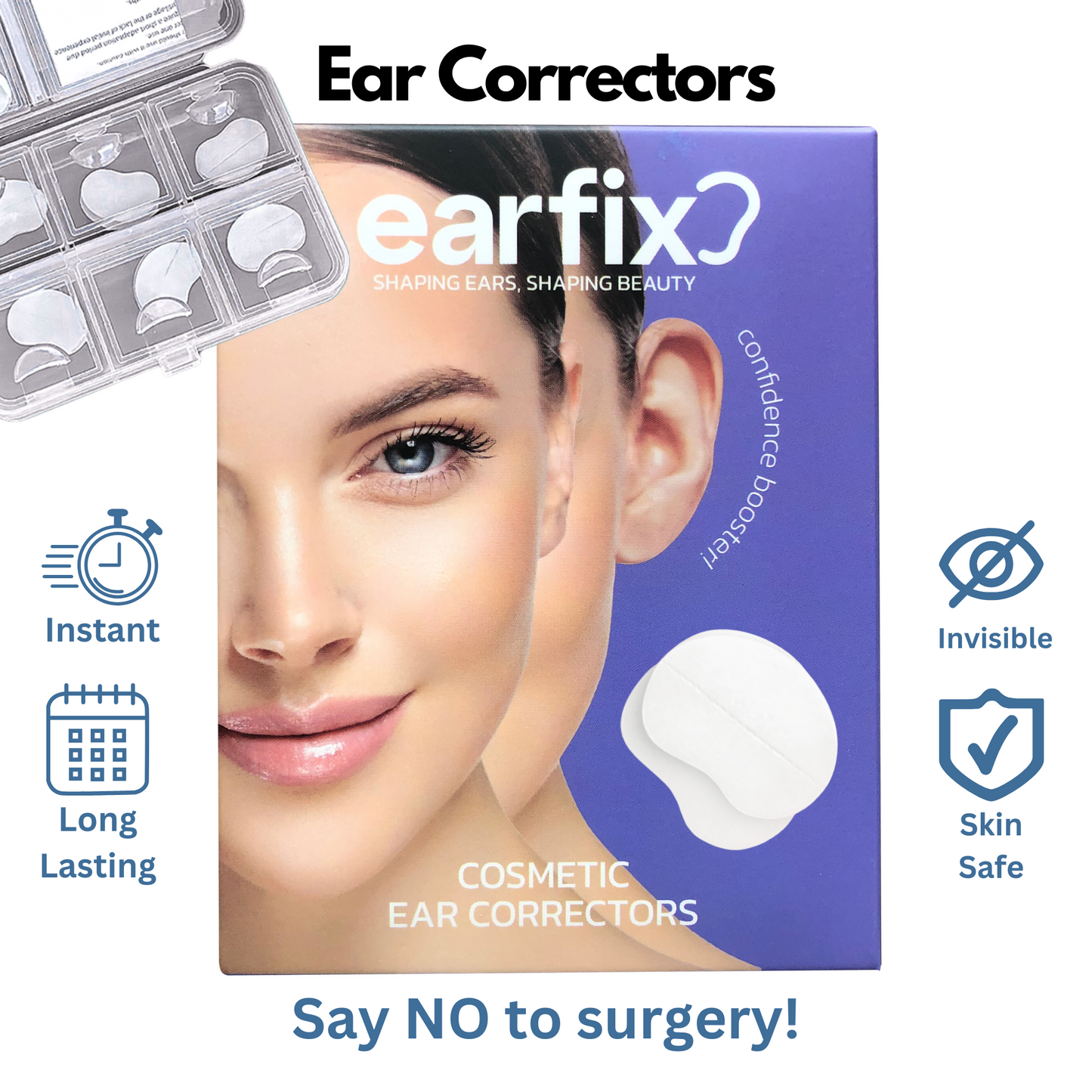
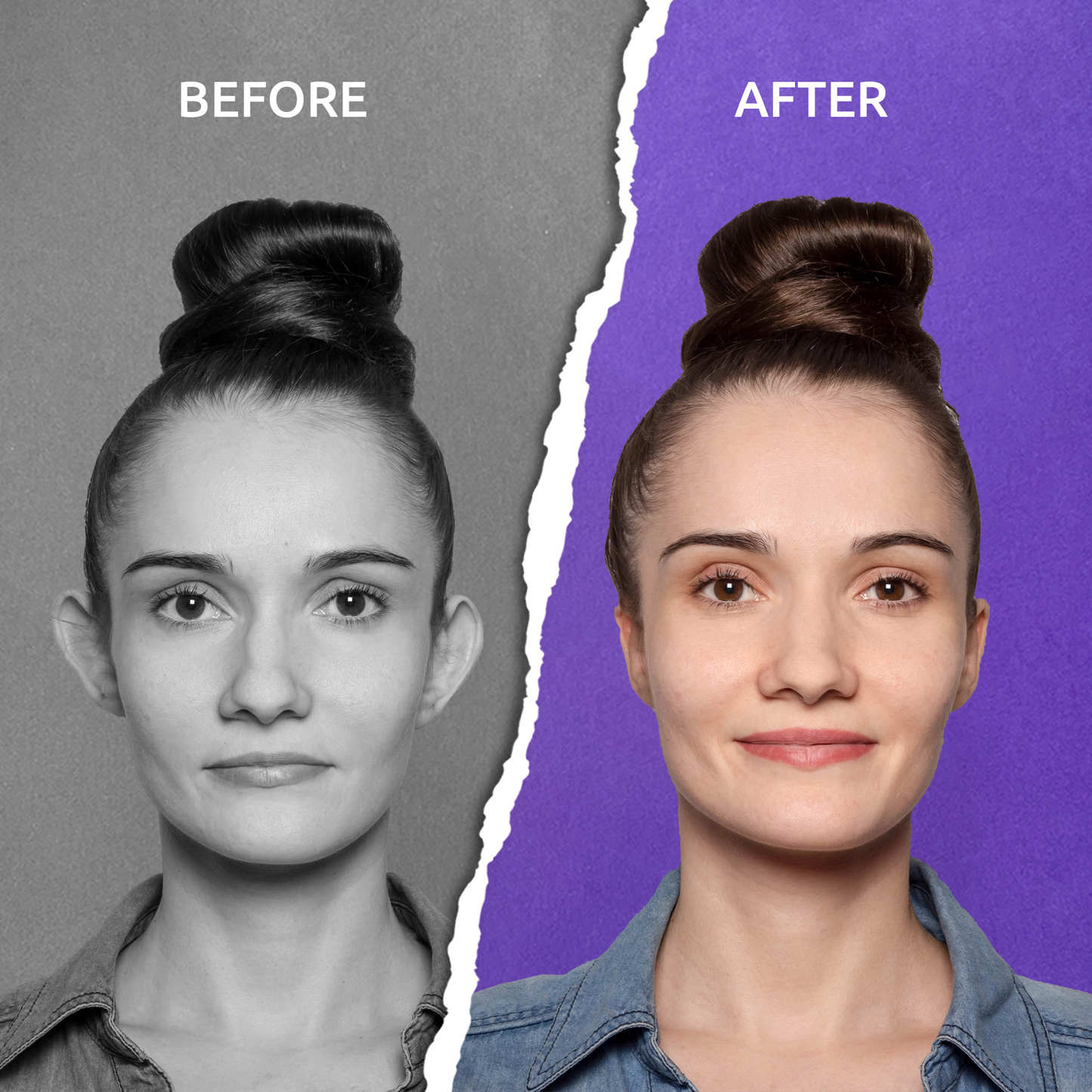
For occasions when you want total freedom from hairstyle limitations, like a sleek updo or a windy beach day, non-surgical ear correctors offer an alternative approach that works with any style.
Hairstyle Comparison Table
| Style | Complexity | Maintenance | Ear Coverage | Best For |
|---|---|---|---|---|
| Shoulder-Length Layers | Moderate | Moderate | Excellent | Most face shapes, everyday wear |
| Blunt Bob + Bangs | Moderate | High (frequent trims) | Excellent | Thick, straight hair |
| Long Waves + Layers | Low-Moderate | High (styling time) | Excellent | Wavy/curly textures |
| Curtain Bangs | Low | Moderate | Good | Trend-focused, most hair types |
| Shag Cut | Moderate | Moderate | Excellent | Thick/wavy hair, edgy style |
| Pixie + Longer Top | Moderate | Low daily, frequent trims | Moderate | Active lifestyles, statement looks |
| Half-Up Half-Down | Low | Low | Good | Medium-long hair, casual to formal |
| Voluminous Updo | Moderate-High | Moderate | Varies | Formal events, professional settings |
Best Men's Hairstyles for Big Ears
For men, the same core principle applies: create balance with some length and texture around the sides. Super-short fades or buzz cuts can make ears more prominent by removing all visual buffer, so growing the sides out even a little is usually the smartest move.
- Textured crop: A modern crop with a messy, textured top and slightly longer sides. The texture breaks up harsh lines, and the fringe draws attention forward toward your eyes. This is probably the most popular and versatile option right now.
- Classic side part with volume: A deep side part creates an asymmetrical line that forces the eye to travel diagonally across your face, pulling focus away from the sides. Build a bit of volume on the heavier side for maximum effect.
- Longer layered cut: Letting hair grow out with soft layers creates a flattering frame around your entire face. Even an extra inch of length around the ears makes a noticeable difference in how your profile looks from the side.
- Wavy or curly styles: If you have natural waves or curls, lean into them. That built-in volume and texture are exactly what you need to create a soft, balanced silhouette without any extra effort.
What to avoid: Very tight fades where the hair above the ear is shaved to the skin. This creates a stark contrast that draws the eye directly to the ear. If you prefer a fade, ask your barber to keep it slightly longer on the sides (a #2 or #3 guard rather than skin).
Pro tip: Talk to your barber about your specific features. A skilled barber can tailor any cut to work with your ear shape and head proportions. Bring a reference photo of the style you want so they understand the coverage you're looking for.
Kids' Hairstyles for Prominent Ears

Beyond haircuts, there are accessories and makeup techniques that can make a real difference, especially for events, photos, or days when your hairstyle isn't cooperating.
Accessories
- Headbands: A wide, soft fabric headband keeps ears tucked back comfortably. Great for casual days, the gym, or when you want coverage without heat-styling your hair.
- Hats: From beanies in the winter to wide-brimmed sun hats in the summer, headwear offers effortless and complete coverage in any season.
- Statement earrings: It might sound counterintuitive, but bold drop or chandelier earrings draw the eye downward to the jewelry, not the ear outline. The more eye-catching the earring, the more effective the distraction.
- Glasses: Bold or interesting frames shift focus toward your eyes and the center of your face. This works with both prescription glasses and fashion frames.
Contouring (A Model's Secret)
This technique comes straight from professional makeup artists working with models and actors. Apply a small amount of matte bronzer or contour powder to the cartilage right behind your ear, where it meets your head. This creates a subtle shadow that makes the ears appear to sit closer to the head from the front and side.
It works especially well for photos, video calls, and events where you'll be seen under direct lighting. The shadow mimics the natural depth that would exist if the ears sat flatter, tricking the eye into perceiving a smaller gap. Use a small, fluffy brush and blend well so it looks natural.
Beyond the Haircut
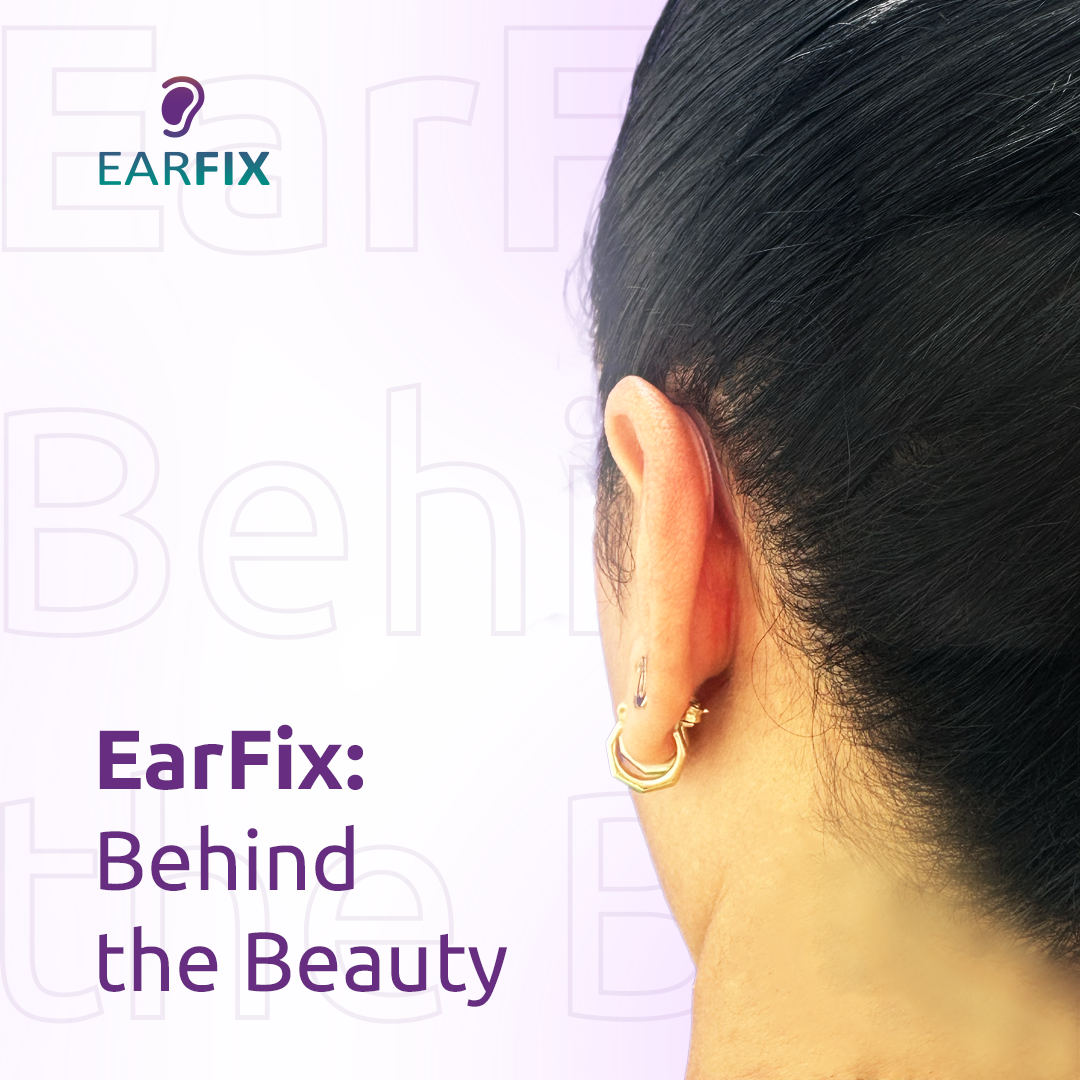
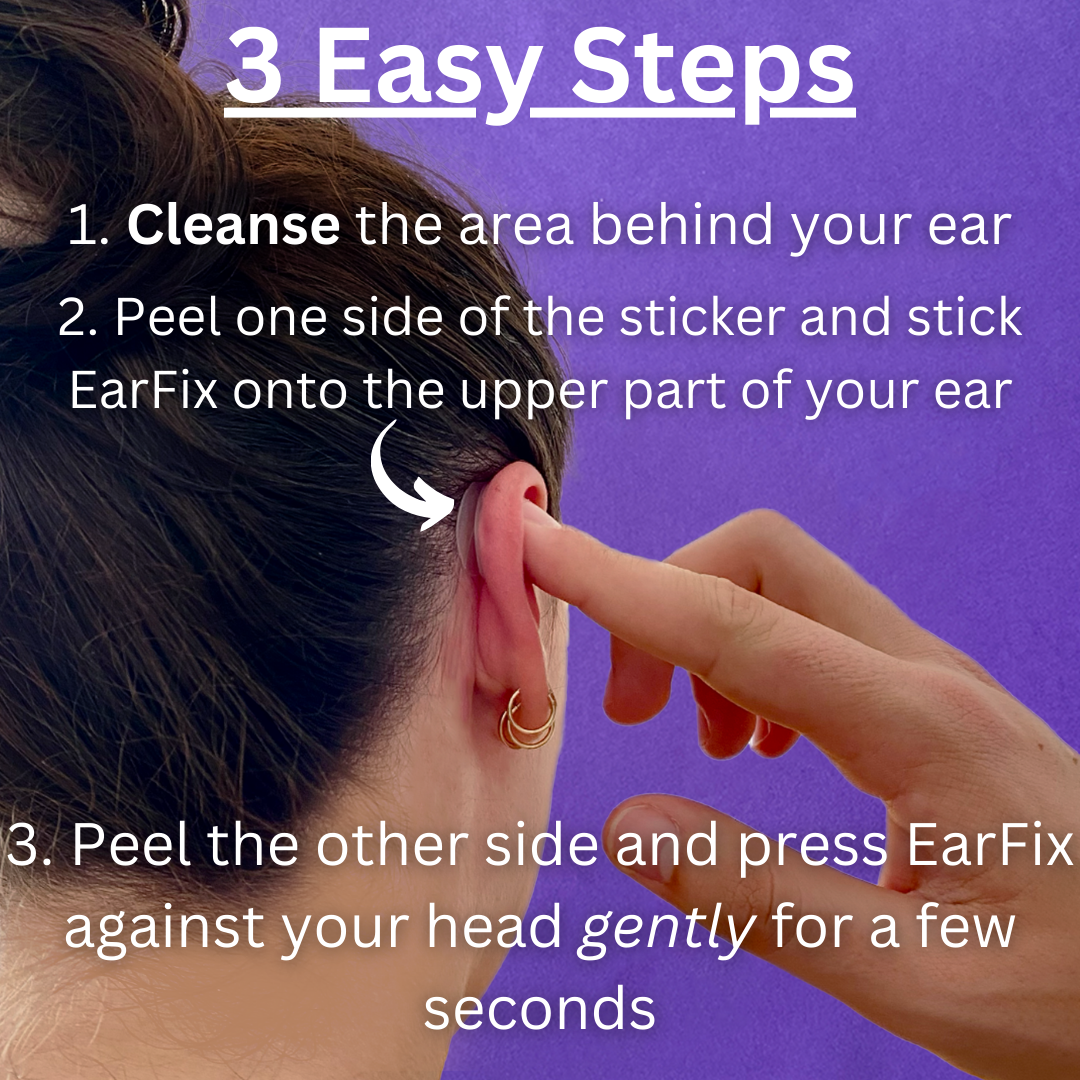
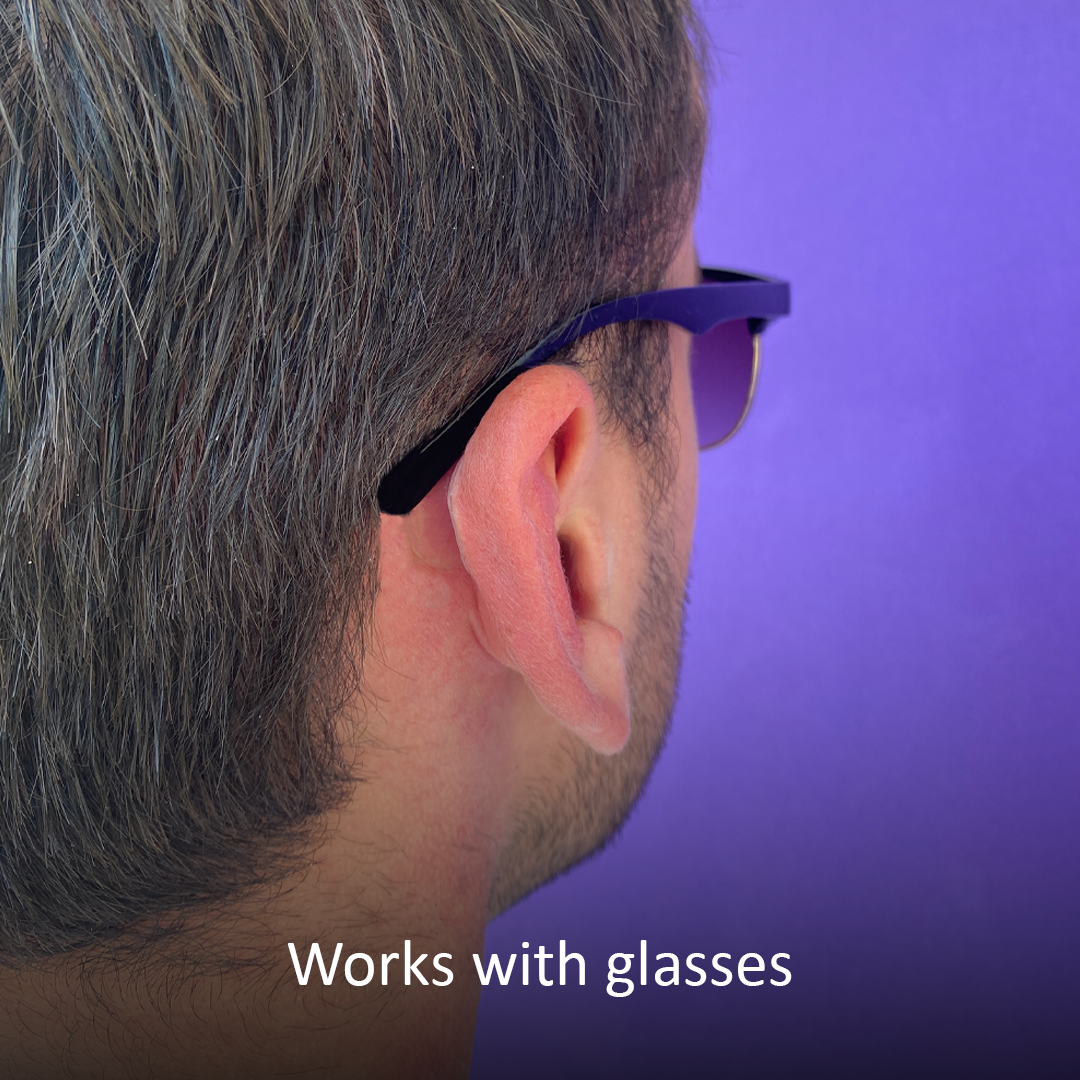
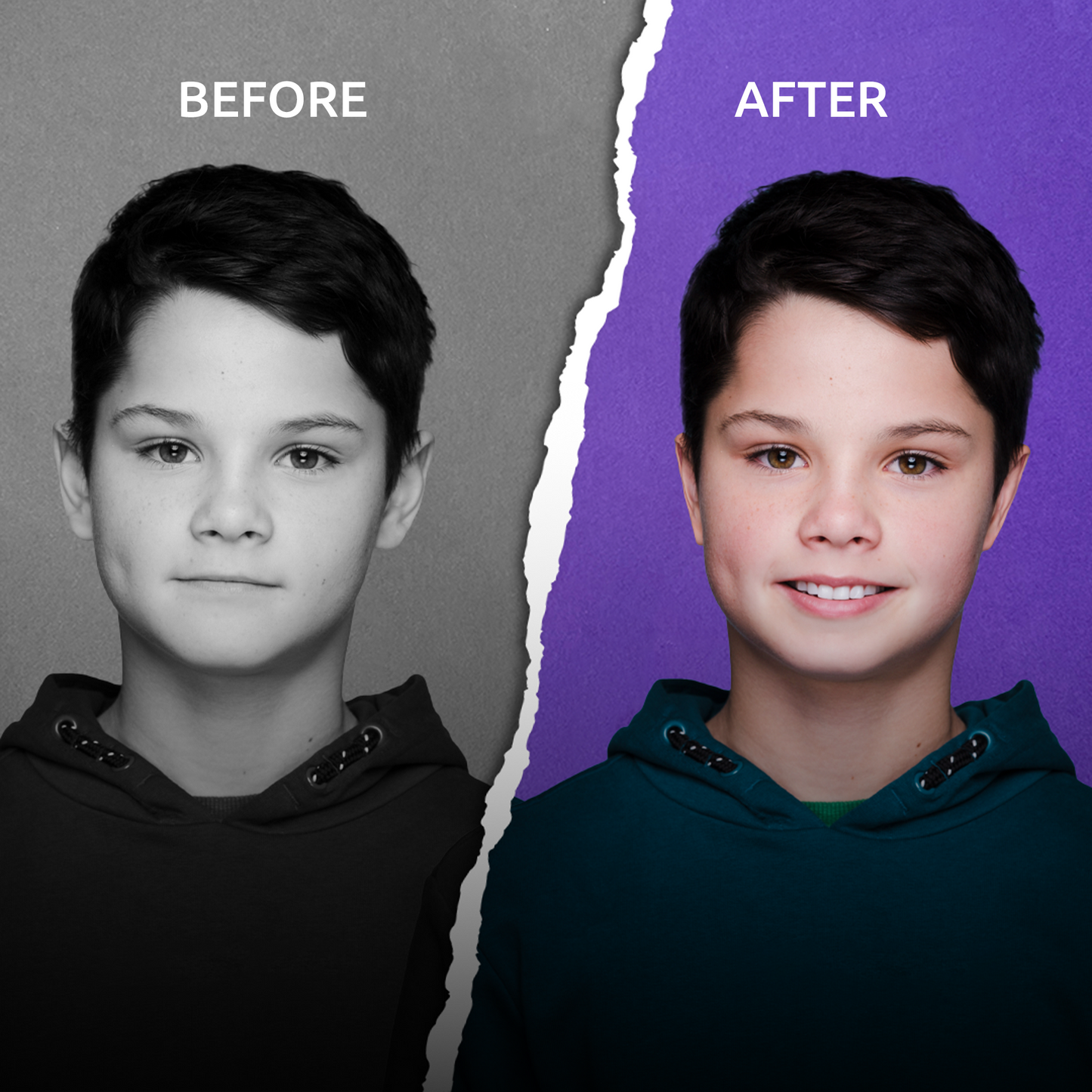
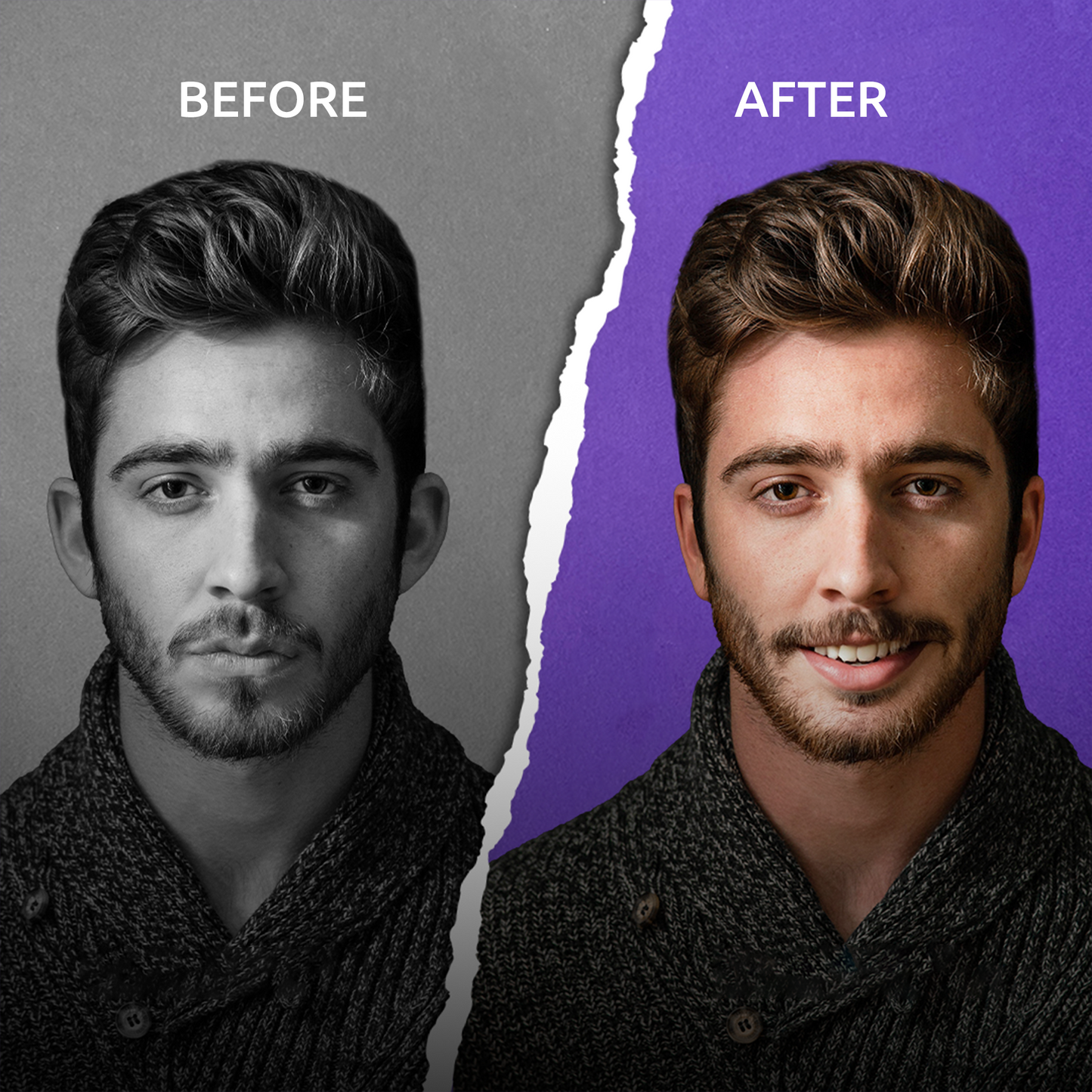
A great hairstyle handles most situations, but sometimes you want to pull your hair into a sleek ponytail, wear it up for a wedding, or just not think about it on a windy day. For those moments, non-surgical ear correction stickers like EarFix offer an instant cosmetic fix. They're transparent, medical-grade silicone adhesives that hold ears closer to the head for 3-7 days per pair, including through showers and workouts.
@earfixusa GRWM featuring EarFix! The easiest option for laid back ears, try it today!
If you're curious about how they work, we have a step-by-step guide on how to use EarFix.
Frequently Asked Questions
Do bangs actually help with prominent ears?
Yes. Bangs don't sit over your ears, but they create a strong visual focal point at the center of your face. Side-swept or curtain bangs pull attention toward your eyes and away from the sides of your head. It's one of the simplest and most effective styling tricks available.
What's the best updo for prominent ears?
Go for softer, less severe updos. A loose low bun or relaxed chignon works well. The key is leaving a few face-framing tendrils out to break up the hairline and add softness. Avoid tight, slicked-back styles that pull everything flat against the head, as these tend to accentuate the ears.
Can I wear a high ponytail with big ears?
Absolutely. Before securing it, gently tug the hair at the crown to create some lift and volume. Go for a mid or low pony and leave a few pieces around the face. If you want a sleeker look, ear correction stickers give you that extra confidence for pulling hair all the way back.
What hairstyle works best for guys with prominent ears?
Avoid very short fades or buzz cuts, which can make ears stand out more. A textured crop, classic side part with some volume, or a slightly longer layered cut all work well. The goal is to add some length and texture around the sides rather than exposing the ear completely. A good barber can tailor any cut to your specific features.
Does hair texture matter?
Natural waves and curls are actually an advantage. They add built-in volume and texture that creates a soft frame around your face without extra effort. If your hair is naturally straight and fine, texturizing products and a round brush during blow-drying help you build that volume. Consider a perm or body wave treatment if you want a more permanent solution for adding texture.
What if I want to wear my hair short and pulled back?
Short, exposed styles are absolutely possible. The pixie cut section above shows how to make short hair work with volume and texture. For occasions when you want a completely sleek, pulled-back look, non-surgical ear correctors provide invisible support that stays put all day. This gives you total flexibility to switch between styles without limitations.
If prominent ears have affected your confidence, you are not alone. Read our article on the psychological impact of prominent ears and evidence-based coping strategies.