
What Is Otoplasty (Ear Pinning Surgery)?
Otoplasty is a surgical procedure that changes the shape, position, or size of the ears. Most commonly referred to as "ear pinning," the surgery brings prominent ears closer to the head by reshaping the cartilage through small incisions behind the ear. It is one of the most frequently performed cosmetic procedures for children and adults alike.
According to the American Society of Plastic Surgeons (ASPS), otoplasty is typically performed after the ears have reached full size, usually around age five or six. For adults, there is no upper age limit. The procedure takes approximately two to three hours and can be performed under local anesthesia with sedation or general anesthesia, depending on the patient's age and the complexity of the case.
Otoplasty addresses several concerns, including ears that protrude more than 2 cm from the side of the head, asymmetrical ears, overly large ears (macrotia), and ears with irregular shapes due to injury or congenital conditions. For many patients, the psychological benefits of the surgery are significant. A 2019 study published in the Journal of Plastic, Reconstructive & Aesthetic Surgery found that otoplasty patients reported substantial improvements in self-esteem and social confidence following the procedure.
How Much Does Otoplasty Cost in 2026?
The average surgeon's fee for otoplasty in the United States is approximately $3,981, according to ASPS data. However, the surgeon's fee is only one part of the total bill. When you factor in anesthesia, facility fees, and aftercare, the total cost typically ranges from $3,000 to $8,000, with some cases in major metropolitan areas exceeding $10,000.
Here is a detailed breakdown of what goes into the total cost of ear pinning surgery:
| Cost Component | Estimated Range (USD) | Details |
|---|---|---|
| Surgeon's Fee | $2,000 - $4,500 | Covers the surgeon's expertise, operating time, consultations, and follow-up visits. Board-certified plastic surgeons in high-demand markets charge at the upper end. |
| Anesthesia Fee | $500 - $1,500 | Pays for the anesthesiologist and medications. General anesthesia (standard for children) costs more than local with sedation. |
| Facility Fee | $700 - $2,000 | Covers the operating room, nursing staff, sterile supplies, and equipment at the hospital or accredited surgical center. |
| Aftercare & Supplies | $100 - $500 | Includes post-operative appointments, prescriptions for pain and antibiotics, dressings, and the compression headband worn during recovery. |
| Total | $3,300 - $8,500 | Final cost depends on your location, surgeon, and the complexity of your case. |
What Affects the Price of Ear Pinning Surgery?
Several factors cause otoplasty costs to vary widely from one patient to the next:
- Surgeon's experience and credentials. A board-certified plastic surgeon with extensive otoplasty experience will command higher fees. This premium reflects specialized training, a proven track record, and lower complication rates. The American Board of Plastic Surgery maintains a directory of certified surgeons.
- Geographic location. Procedures in major cities like New York, Los Angeles, or Miami tend to cost 20-40% more than in smaller metro areas or rural regions, reflecting higher overhead costs for rent, staffing, and insurance.
- Procedure complexity. Simple ear pinning (bringing ears closer to the head) is less expensive than cases requiring significant cartilage reshaping, correction of asymmetry, or reduction of ear size. Revision otoplasty (correcting a previous surgery) is typically the most expensive due to scar tissue and altered anatomy.
- Anesthesia type. Local anesthesia with sedation generally costs less than general anesthesia, which requires an anesthesiologist to be present throughout the procedure.
- Unilateral vs. bilateral. Surgery on one ear costs less than both ears, though operating on both is more common.
Otoplasty Cost by Country
Medical tourism has made international pricing relevant for many patients. Here is a comparison of average otoplasty costs in popular destinations:
| Country | Average Cost (USD) |
|---|---|
| United States | $3,000 - $8,000 |
| United Kingdom | $3,200 - $7,700 |
| Australia | $2,000 - $5,300 |
| Turkey | $1,700 - $2,700 |
| Mexico | $1,500 - $3,000 |
| South Korea | $2,000 - $4,000 |
While lower prices abroad may be appealing, it is important to factor in the cost of flights, accommodation, time off work, and the difficulty of arranging follow-up care if complications arise after returning home. The CDC advises that patients considering medical tourism carefully verify the credentials of overseas clinics and surgeons before proceeding.
Does Insurance Cover Otoplasty?
In most cases, no. Health insurance companies classify otoplasty as a cosmetic (elective) procedure and do not cover it. There are limited exceptions: if the ear deformity is the result of trauma, a congenital defect that impairs hearing, or a documented medical condition, some insurers may provide partial coverage. However, approval requires extensive documentation and is not guaranteed.
For patients paying out of pocket, several financing options exist:
- Medical credit cards like CareCredit or Alphaeon Credit, which often offer promotional 0% APR periods of 6 to 24 months.
- In-house payment plans offered directly by many surgical practices, allowing patients to split the cost into monthly installments.
- Health savings accounts (HSAs) or flexible spending accounts (FSAs), which may be used if the procedure qualifies as medically necessary under your plan's definition.
Otoplasty Recovery Timeline: What to Expect
Recovery is one of the most important considerations when deciding on otoplasty. The full healing process typically takes six to eight weeks, though most patients return to work or school within one to two weeks. Here is a week-by-week breakdown:
| Recovery Phase | What to Expect | Activity Level |
|---|---|---|
| First 24-48 hours | Peak swelling, discomfort, and bruising. A bulky compression bandage protects the ears. | Bed rest. Keep head elevated. Take prescribed pain medication on schedule. |
| Week 1-2 | Swelling and bruising begin to fade. The bulky dressing is replaced with a lighter headband at the first follow-up (around day 7). | Light activity only (walking). No lifting, bending, or contact sports. Wear headband 24/7. |
| Week 3-4 | Significant swelling reduction. Ears are still tender but feel more natural. Headband typically worn only at night. | Gradual return to normal activities. Still avoid contact sports and any activity that risks ear impact. |
| Week 5-8 | Most swelling resolved. The final ear shape becomes defined. Internal healing continues. | Most activities can resume with surgeon approval. Contact sports may still be restricted. |
Practical Recovery Tips
- Sleep on your back with your head propped on two to three pillows for the first two weeks to reduce swelling and prevent accidental ear contact.
- Wear button-down shirts or zip-up tops. Avoid pulling anything over your head for at least two weeks.
- Wait to wash your hair until the initial dressing is removed (usually around day 7), and be gentle around the incision sites.
- Avoid headphones (over-ear and earbuds) for at least four weeks post-surgery.
Risks and Complications of Otoplasty
Otoplasty is considered a safe procedure with a high satisfaction rate. A large-scale review of 1,199 otoplasty surgeries at the Royal Victoria Hospital in Belfast found that modern techniques, particularly anterior scoring, result in fewer complications and reoperations compared to older suture-only methods. Still, like any surgery, otoplasty carries risks that patients should understand before proceeding:
- Infection. Occurs in roughly 2-4% of cases according to published surgical literature. Treated with antibiotics, but severe infections can affect cartilage.
- Hematoma. A collection of blood under the skin. This is one of the more common early complications and requires prompt medical attention to prevent pressure damage to cartilage.
- Asymmetry. The ears may not heal in perfectly symmetrical positions. Minor asymmetry is normal (and present in most people naturally), but significant differences may require revision surgery.
- Scarring. Incisions are placed behind the ear to minimize visibility, but some patients develop raised or thickened scars (keloids or hypertrophic scars).
- Numbness or tingling. Temporary loss of sensation around the ear is common and usually resolves within a few months. Rarely, it can be permanent.
- Anesthesia reactions. Adverse reactions to anesthesia are rare but can include nausea, vomiting, or allergic responses.
- Overcorrection or undercorrection. The ears may be pinned too tightly (giving an unnatural "plastered" look) or not enough, requiring revision.
- Suture extrusion. Internal sutures can occasionally work their way to the surface, causing irritation and potentially requiring removal.
The revision rate for otoplasty varies by technique. The Belfast study cited above reported an overall reoperation rate of approximately 7.5%. Choosing an experienced, board-certified plastic surgeon with a strong track record in otoplasty significantly reduces the likelihood of complications.
When to Contact Your Surgeon
Call your surgeon immediately if you experience any of the following after otoplasty:
- A sudden spike in pain that is not controlled by prescribed medication
- Fever above 101°F (38.3°C)
- Thick, yellow, or foul-smelling drainage from the incision site
- One ear becoming significantly more swollen, hard, or painful than the other
Non-Surgical Alternatives to Otoplasty

Surgery is not the only option for addressing prominent ears. Several non-surgical approaches exist, ranging from medical-grade ear molding for infants to adhesive correctors for older children and adults. Here is how they compare:
| Method | Estimated Cost | Type | Best For | Permanence |
|---|---|---|---|---|
| Surgical Otoplasty | $3,000 - $8,000+ | Invasive surgery | Permanent correction for adults and older children | Permanent |
| Medical Ear Splinting (EarWell, etc.) | $2,000 - $4,000 | Practitioner-applied molding | Newborns (first 6 weeks of life, when cartilage is most pliable) | Can be permanent if started early enough |
| Adhesive Ear Correctors | $20 - $50 per pack | At-home cosmetic corrector | All ages seeking an instant, affordable cosmetic fix | Temporary (worn as needed) |
| Ear Taping (DIY) | Under $10 | At-home tape method | Very short-term or overnight use | Temporary; less reliable hold |
Ear Molding for Infants
Newborn ear molding is a non-surgical technique that takes advantage of the fact that infant ear cartilage is extremely soft and malleable during the first few weeks of life. Devices like the EarWell system are applied by a physician and worn for four to six weeks, gently reshaping the cartilage as it firms. A 2016 study in Plastic and Reconstructive Surgery found a success rate exceeding 90% when molding was initiated within the first three weeks after birth.
The window for ear molding is narrow. After approximately six weeks of age, the cartilage begins to stiffen as maternal estrogen levels drop, making this approach less effective. Parents who notice prominent or irregularly shaped ears in their newborn should consult a pediatric plastic surgeon promptly to determine if molding is appropriate.
Adhesive Ear Correctors
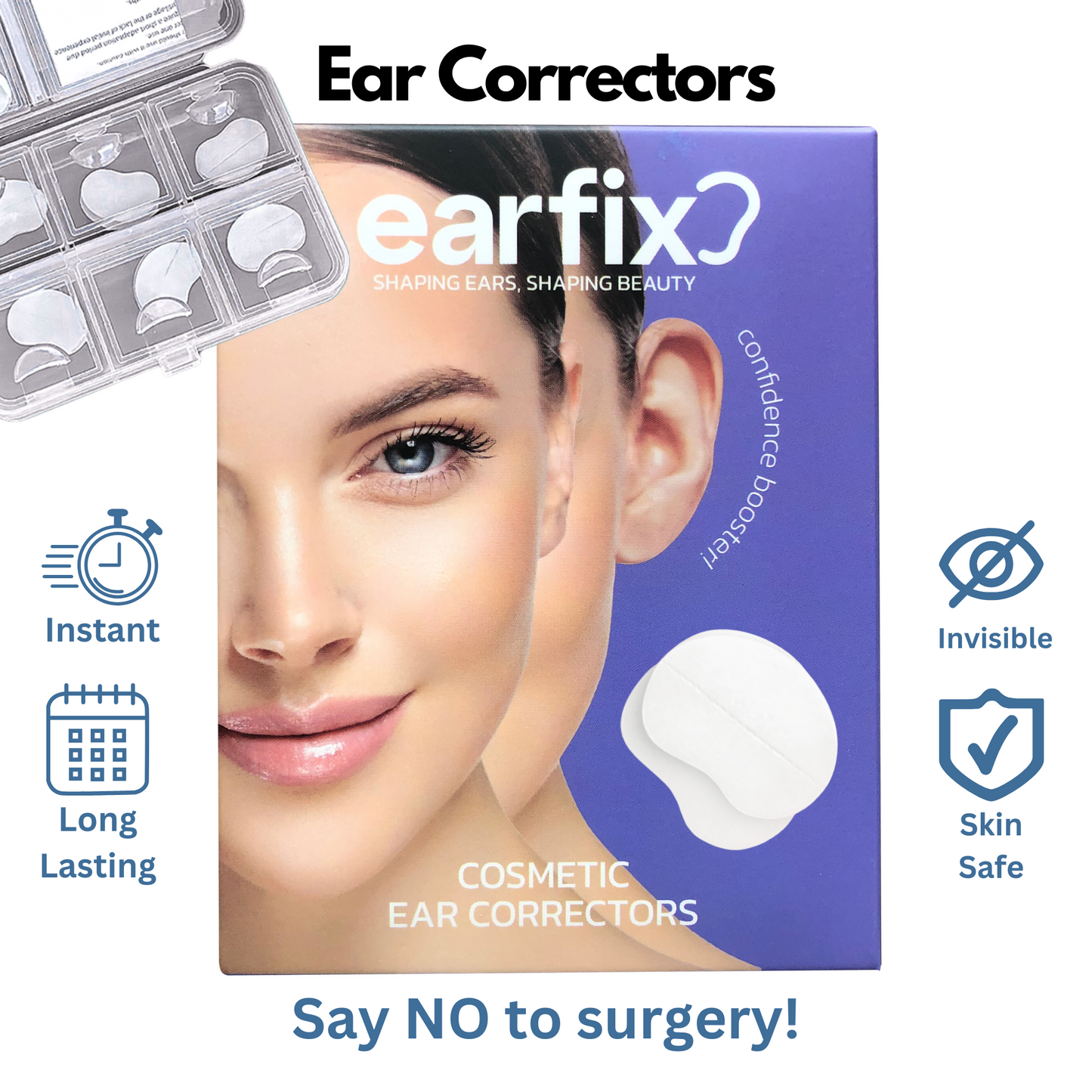
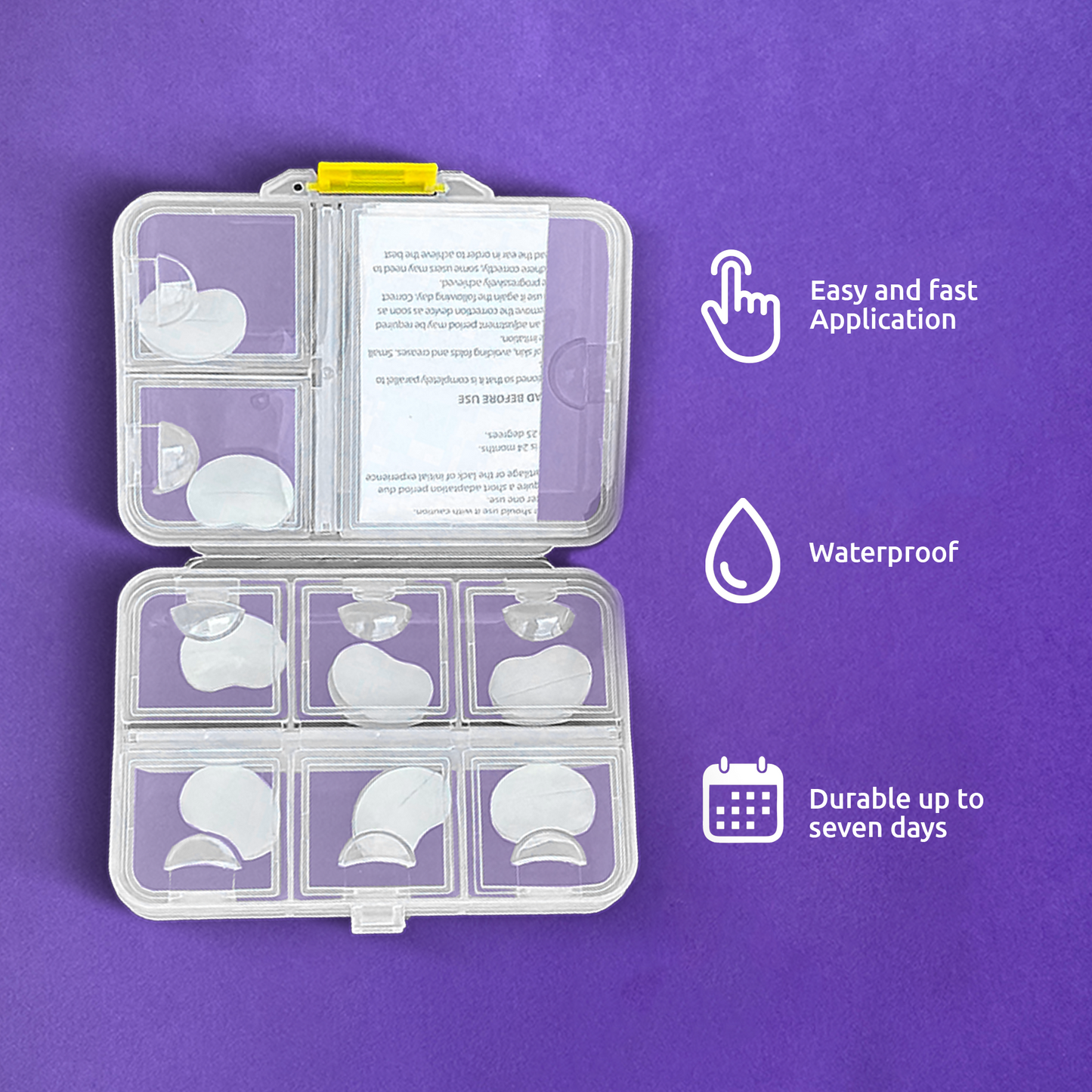
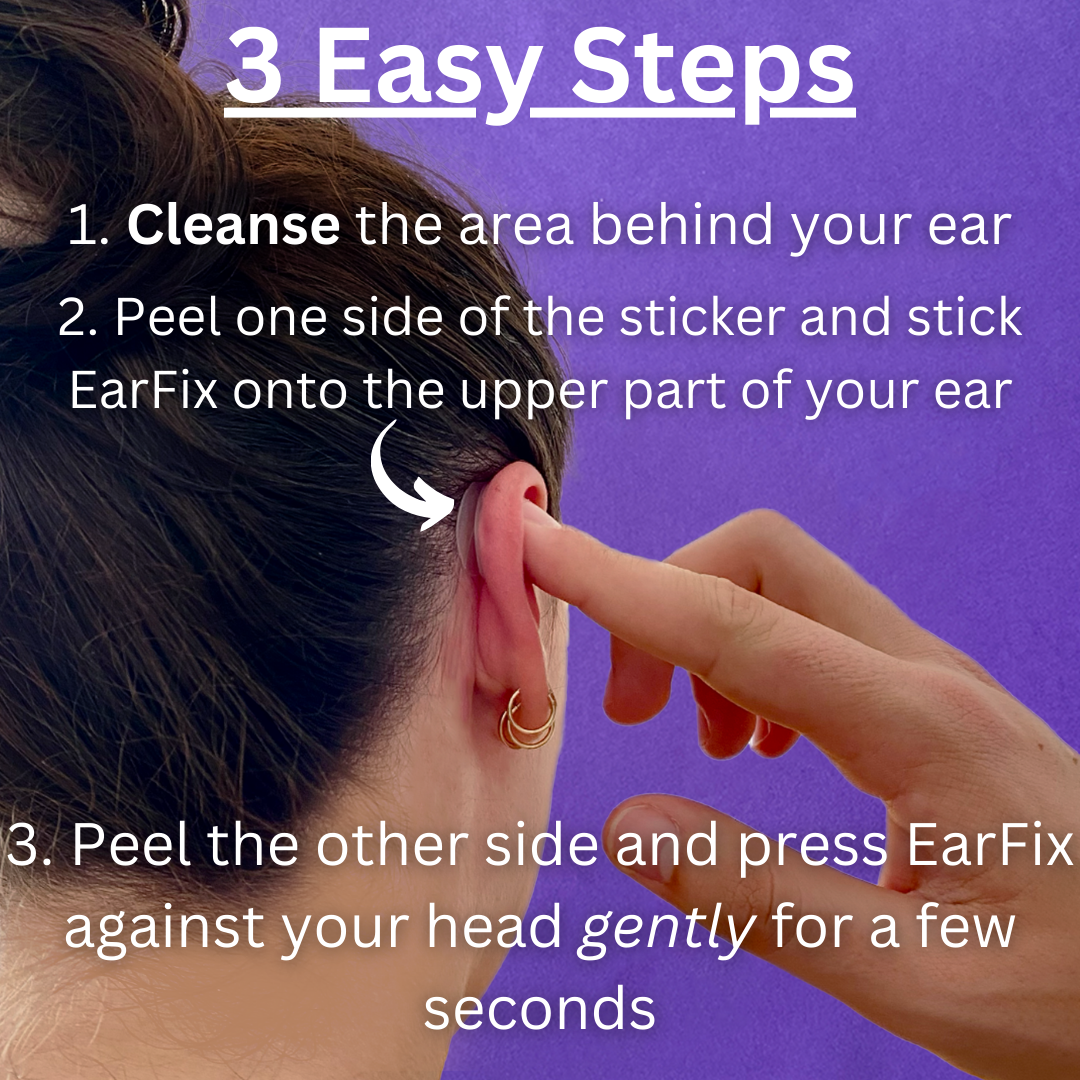
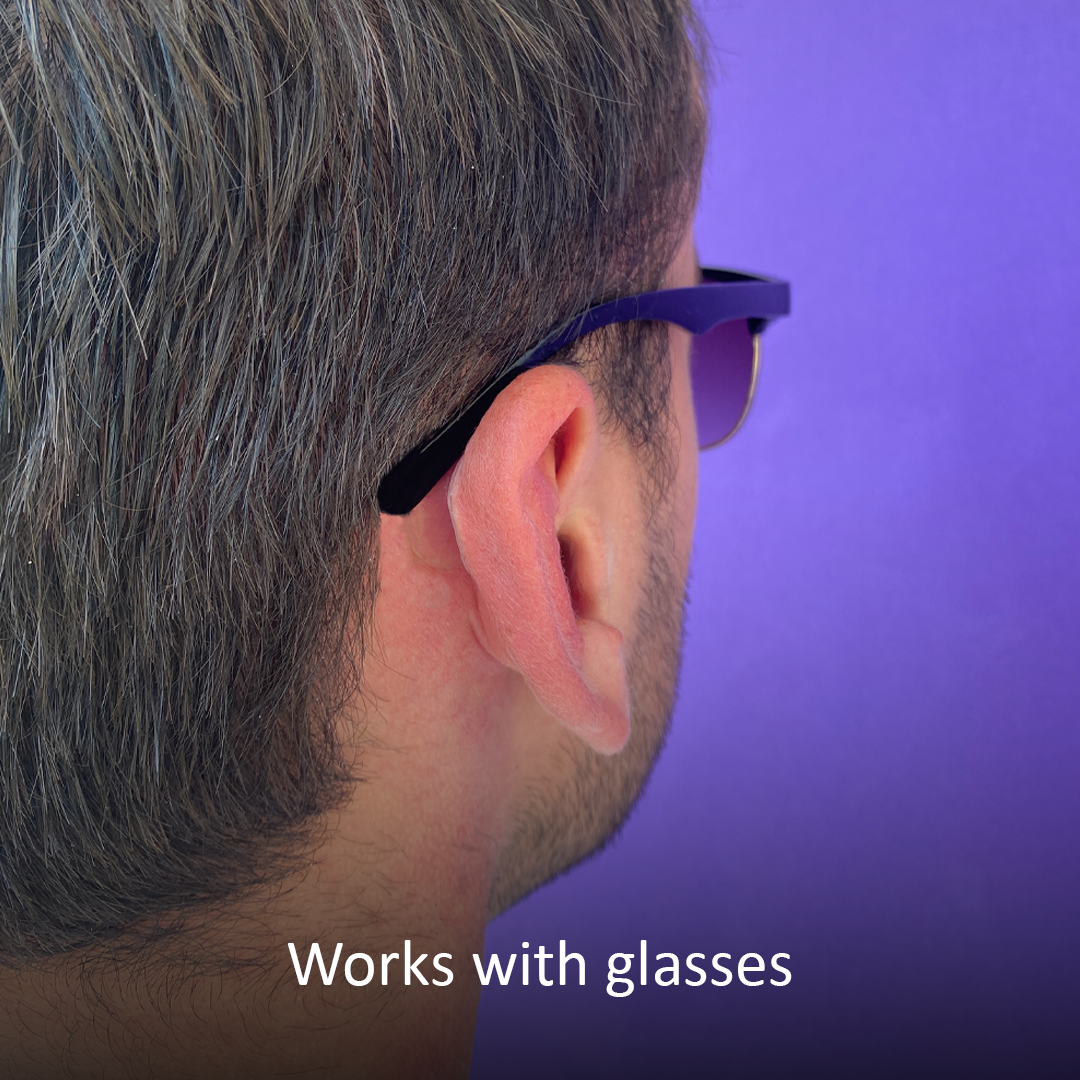
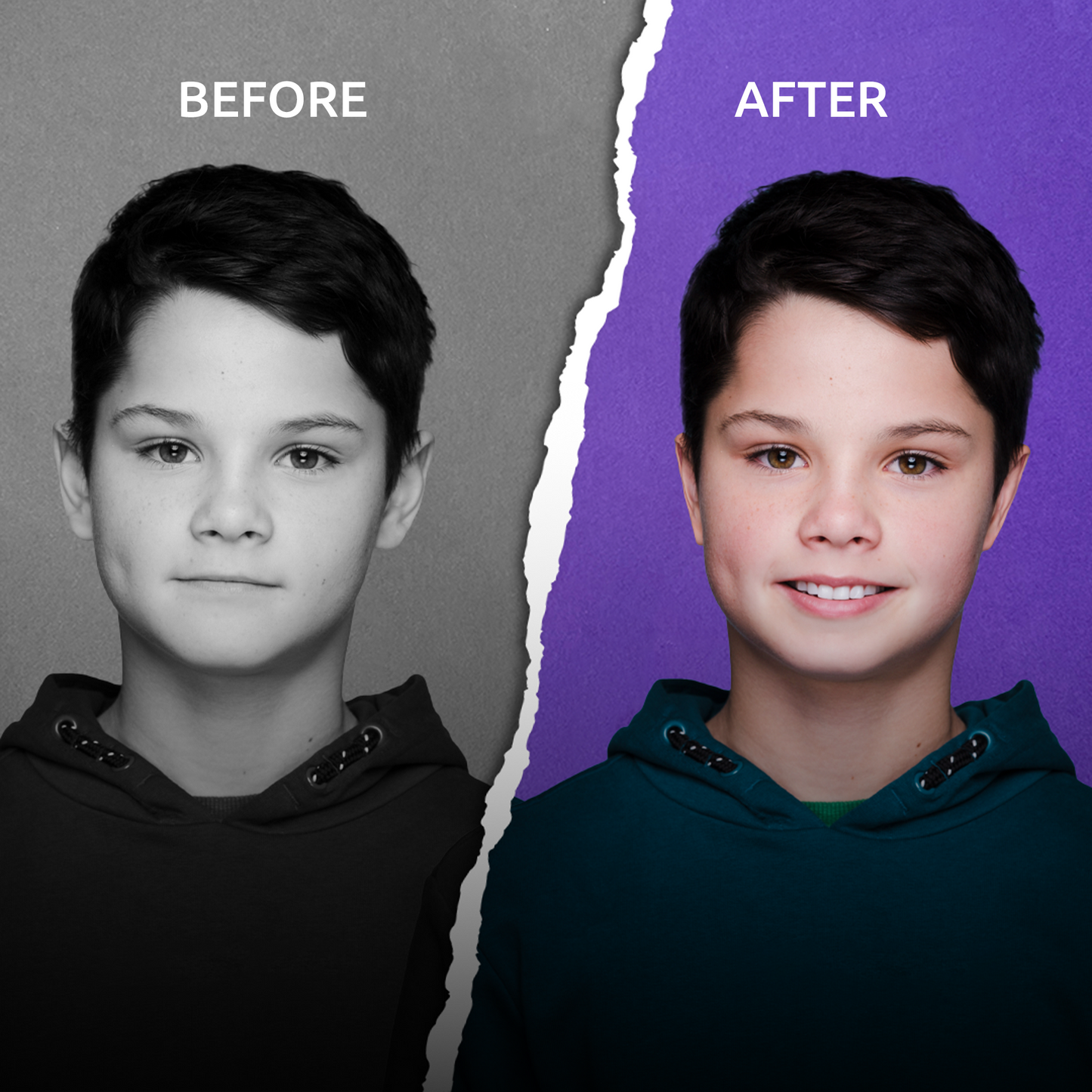
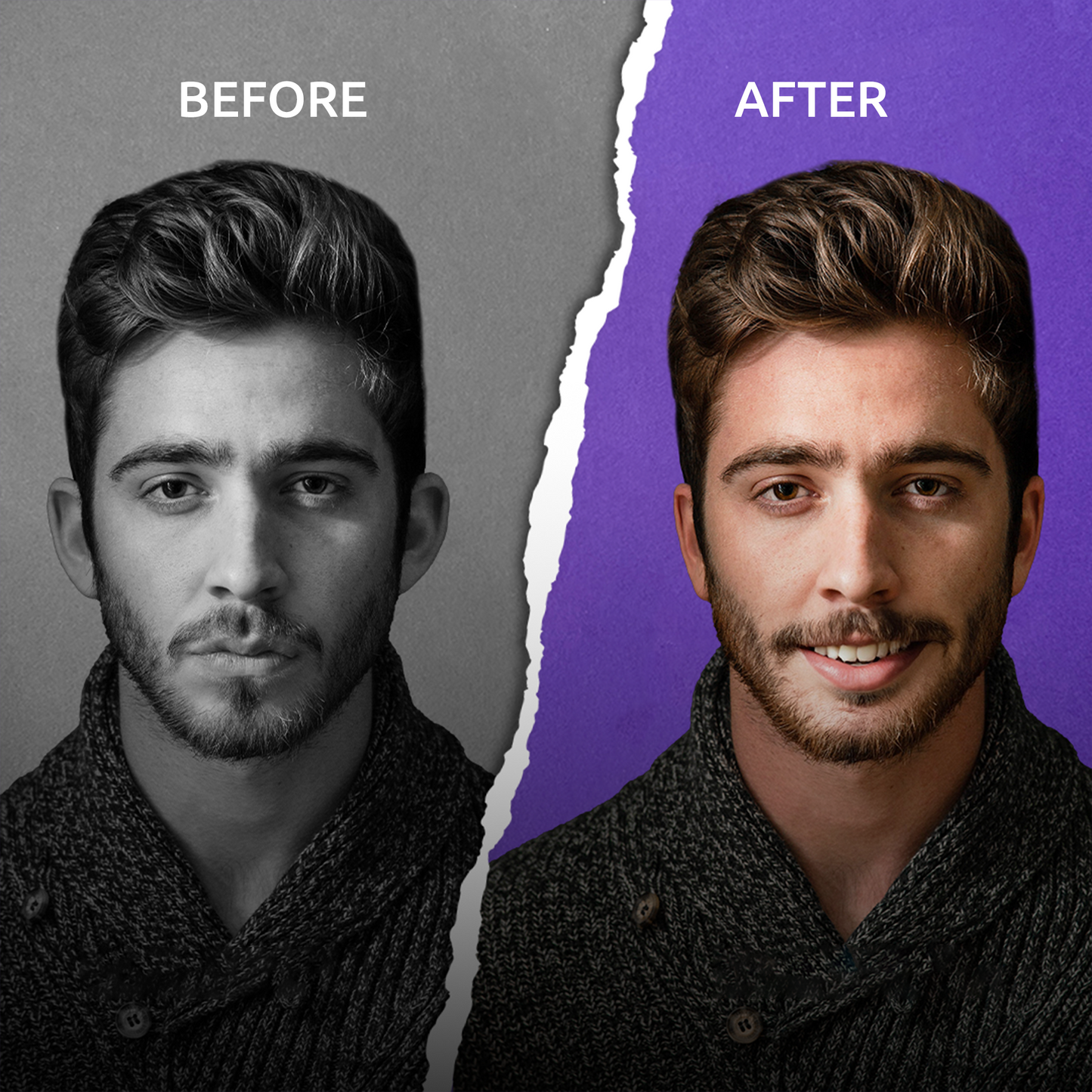
For older children, teens, and adults, adhesive ear correctors offer a non-invasive cosmetic solution. Products like EarFix ear correction stickers use a transparent, medical-grade silicone adhesive that attaches behind the ear and gently holds it closer to the head. The result is an immediate visual change that lasts as long as the corrector is worn.
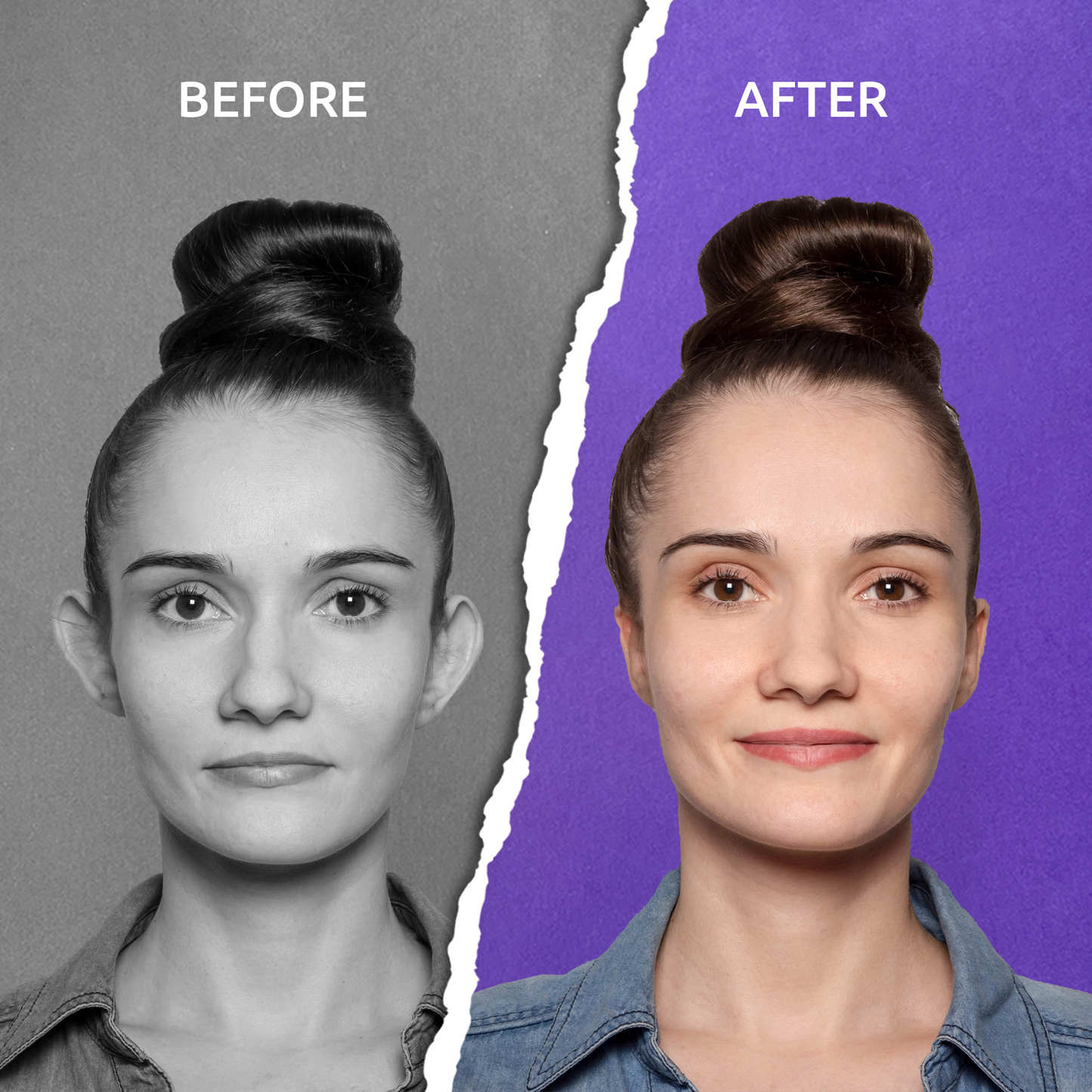
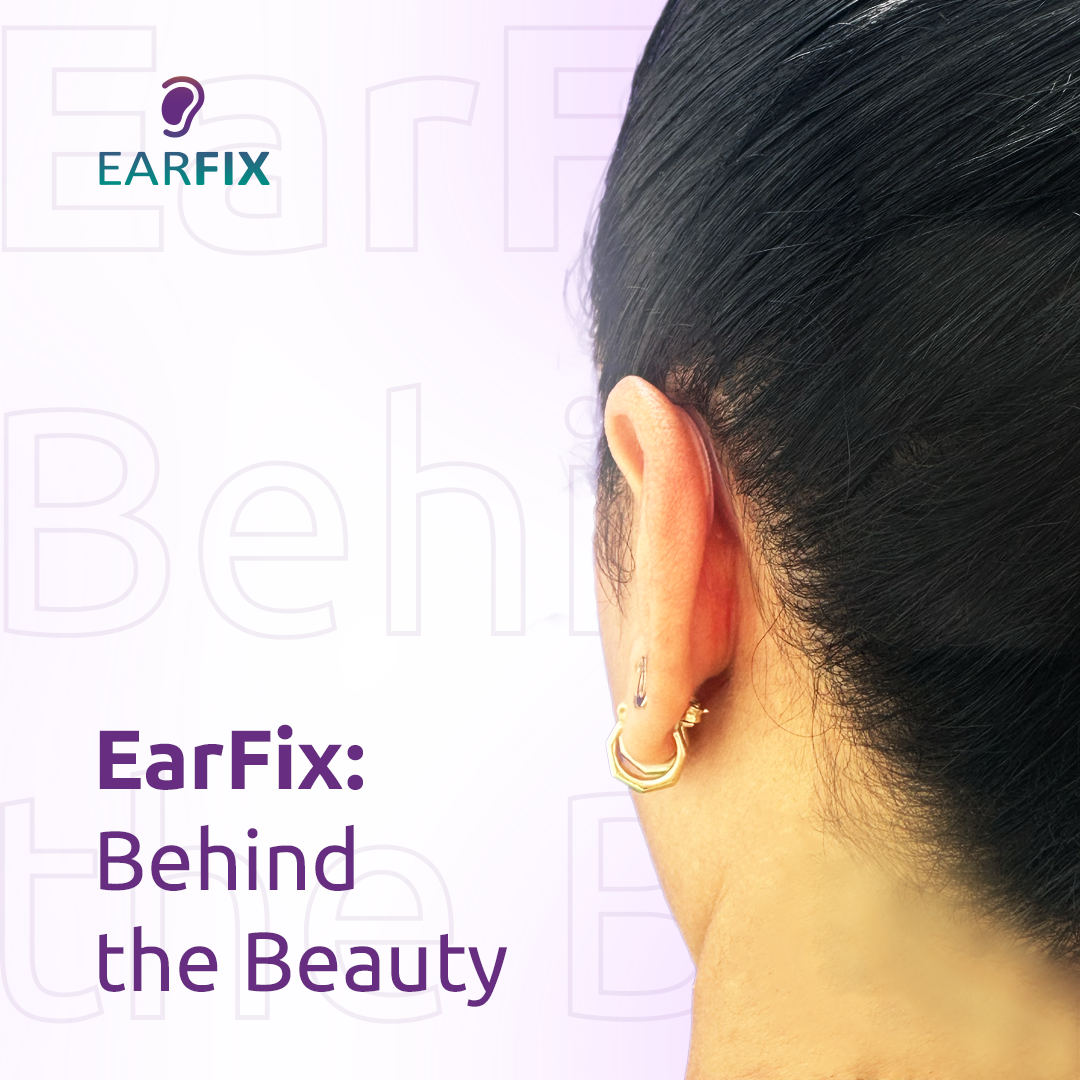
Adhesive correctors are not designed to permanently change ear structure in adults (whose cartilage is fully hardened). Instead, they serve as a cosmetic tool, similar to how shapewear provides an instant silhouette change. They are waterproof, hypoallergenic, and virtually invisible when applied correctly. For many people, this is all they need, whether for daily wear, photos, job interviews, weddings, or any situation where they want to feel more confident about their appearance.
How to Decide Between Surgery and Non-Surgical Options
The right choice depends on your goals, budget, pain tolerance, and how much downtime you can afford. Here are some scenarios to consider:
- Choose otoplasty if: you want a permanent, one-time correction and are willing to invest the cost and recovery time. You are in good health, have realistic expectations, and have consulted with a board-certified plastic surgeon.
- Choose non-surgical correctors if: you want an immediate cosmetic improvement without surgery, prefer a low-cost and reversible option, are not ready for a permanent change, or need a solution for a specific event. They also work well as a "test drive" to visualize what ear correction looks like before committing to surgery.
- Choose infant ear molding if: your newborn has prominent or misshapen ears and is under six weeks old. Early intervention can potentially avoid the need for surgery later.
Many people use adhesive correctors like EarFix as a first step while they research surgical options, giving them immediate confidence without any commitment. Others find that the correctors meet their needs entirely and never pursue surgery at all.
The Otoplasty Procedure: Step by Step
Understanding what happens during the surgery can ease anxiety for those considering it. Here is the typical sequence:
- Consultation. You meet with a plastic surgeon to discuss your goals, review your medical history, and examine your ear anatomy. The surgeon will explain which technique is appropriate and provide a cost estimate.
- Anesthesia. On the day of surgery, anesthesia is administered. Adults may receive local anesthesia with sedation. Children typically receive general anesthesia.
- Incision. The surgeon makes a small incision behind the ear, hidden in the natural crease where the ear meets the head.
- Cartilage reshaping. Through the incision, the surgeon accesses the ear cartilage. Depending on the technique, cartilage may be scored (weakened with small cuts to encourage bending), sutured into a new position, or partially removed.
- Closure. The incision is closed with sutures, positioned to minimize visible scarring.
- Bandaging. A protective compression dressing is applied around the head to stabilize the ears in their new position during initial healing.
The entire procedure typically takes two to three hours. Most otoplasties are performed on an outpatient basis, meaning you go home the same day.
Frequently Asked Questions
How much does otoplasty cost without insurance?
Without insurance, otoplasty typically costs between $3,000 and $8,000 in the United States. The total depends on your surgeon's fees, anesthesia type, facility charges, and geographic location. The ASPS reports an average surgeon's fee of approximately $3,981, but this does not include anesthesia or facility costs.
Is otoplasty covered by insurance?
Insurance rarely covers otoplasty because it is classified as cosmetic. Exceptions may apply if the ear deformity results from trauma, a congenital defect affecting hearing, or a documented medical condition. Getting coverage approved requires extensive documentation and is not guaranteed.
What is the cheapest way to fix ears that stick out?
The most affordable option is adhesive ear correctors, which cost $20 to $50 per pack and provide an instant cosmetic improvement. For infants, ear molding (if started within the first few weeks of life) can produce lasting results for $2,000 to $4,000, which is still significantly less than surgery. DIY taping is the cheapest method but offers the least reliable results.
How long does otoplasty recovery take?
Most patients return to work or school within one to two weeks. Full healing takes six to eight weeks. A protective headband must be worn 24/7 for the first two weeks, then at night only for an additional four to six weeks. Strenuous activity and contact sports are restricted for at least six weeks.
Are otoplasty results permanent?
Yes. Otoplasty permanently reshapes the ear cartilage. Once healed, the results are long-lasting. However, as with any surgery, minor changes can occur over time due to natural aging. The revision rate is approximately 7.5% based on large-scale surgical reviews.
Can you fix prominent ears without surgery?
Yes. Non-surgical options include adhesive ear correctors (for all ages), medical ear molding (for newborns under six weeks), and taping. These methods do not permanently alter ear structure in adults but provide an immediate cosmetic improvement. For infants, early molding can produce results that last. Read more about non-surgical options for ears that stick out.
At what age can you get otoplasty?
Otoplasty can be performed once the ears have reached their full size, typically around age five or six. There is no upper age limit. The procedure is commonly performed on school-age children (the average age is 9.2 years according to a Finnish study of 180 patients), teenagers, and adults.
Is otoplasty painful?
During surgery, anesthesia prevents any pain. Post-operatively, patients typically experience a dull, steady ache for the first few days, manageable with prescribed pain medication. Discomfort decreases significantly after the first week. By comparison, non-surgical adhesive correctors are completely pain-free.