
Thinking about cosmetic treatments can feel like stepping into a whole new world, but getting a fresher, more rested look doesn't always mean going under the knife. This guide is your friendly map to the most effective non surgical cosmetic procedures for face, breaking down your options so you can move forward with total confidence.
Your Introduction to Non Surgical Facial Enhancements
It’s no surprise that minimally invasive treatments have become so popular. They offer real, visible results with little to no downtime, which is a perfect fit for our busy lives. We're going to walk through everything, from the injectables that smooth out wrinkles to the high-tech energy devices that can tighten and lift your skin.
We'll even touch on some simple, at-home solutions for specific concerns, showing just how accessible cosmetic tweaks have become. Think of this as a chat with someone who's been in the industry for years—we'll demystify the science, set some realistic expectations, and give you the knowledge to choose what's truly right for you.
The Growing Popularity of Non-Invasive Options
The demand for non-surgical cosmetic procedures has absolutely exploded. Botulinum toxin treatments, for instance, are leading the charge. In recent years, practitioners performed over 7.8 million injections worldwide, cementing its spot as the most common non-surgical facial procedure by a long shot.
This trend is all about getting results that fit seamlessly into modern life. People now have a whole menu of options to address just about any concern without the major commitment of surgery. You can get a great overview of the different non-invasive aesthetic treatments in our detailed overview.
What really draws people to non-surgical procedures is the ability to get subtle, natural-looking results. The goal isn't a dramatic overhaul; it's about restoring a bit of youthful contour, improving skin quality, and giving your confidence a boost without putting your life on hold.
We’re about to dive into each major category. We'll explain how they work, who they’re best for, and what you can realistically expect, so you have a crystal-clear picture of what's possible.
To get started, here's a quick look at the main categories we'll be covering.
At-a-Glance Guide to Non Surgical Facial Procedures
| Procedure Category | Primary Target | Typical Downtime |
|---|---|---|
| Injectables | Wrinkles, fine lines, volume loss | 0-3 days |
| Dermal Fillers | Plumping lips, restoring facial contours | 1-7 days |
| Lasers & Energy Devices | Skin texture, sun damage, tightening | 1-10 days |
| Thread Lifts | Sagging skin, facial lifting | 2-7 days |
| Topical Treatments | Skin quality, tone, fine lines | 0-5 days |
| Ear Correction | Protruding ears | None |
This table gives you a bird's-eye view, but now let's get into the details of what each of these can do for you.
A Guide to Injectables: Botox vs. Dermal Fillers
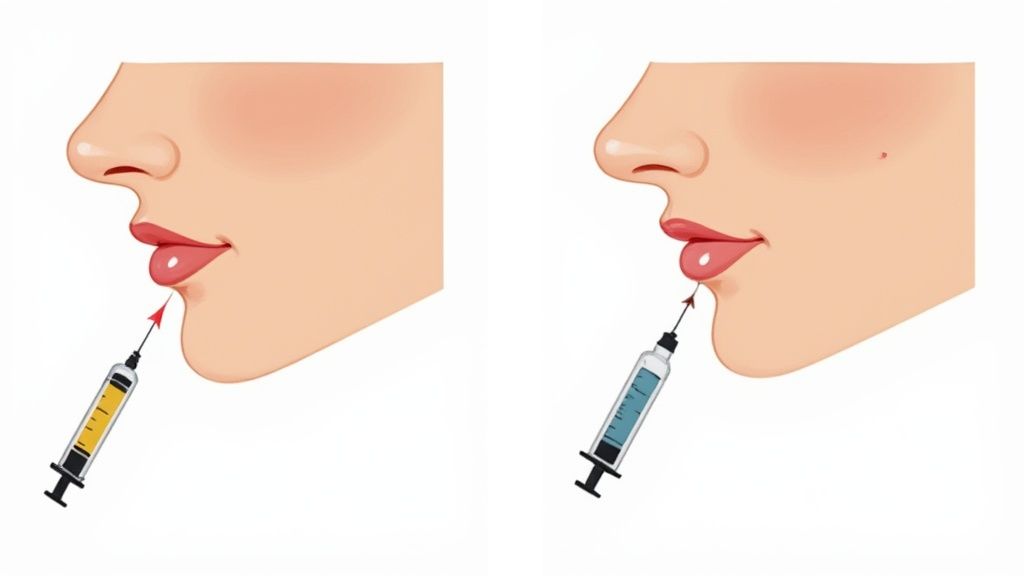
When you hear about non surgical cosmetic procedures for face, injectables are almost always the first thing that springs to mind. And in that world, two titans dominate the conversation: neuromodulators (like Botox) and dermal fillers.
People often lump them together, but they’re completely different tools for entirely different jobs. Think of it this way: Botox is a "relaxer," and fillers are "restorers." Getting that distinction is the first step in figuring out what might be right for you.
Neuromodulators: The Muscle Relaxers
Neuromodulators—with Botox being the household name—are all about tackling dynamic wrinkles. These are the lines that show up when you move your face, like when you smile, frown, or look surprised.
They work in a pretty straightforward way: by temporarily pressing pause on the nerve signals that tell specific muscles to contract. When the muscle relaxes, the skin on top smooths out, softening those expression lines.
Some of the most common spots for neuromodulators include:
- Crow's Feet: Those little lines that fan out from the corners of your eyes.
- Forehead Lines: The horizontal creases that form when you raise your eyebrows.
- Glabellar Lines: Often called the "elevens," these are the vertical lines that appear between your brows.
A typical session is surprisingly fast, often taking less than 15 minutes with just a little pinch. You won't see results right away; they gradually emerge over the next week and usually stick around for about three to four months.
Dermal Fillers: The Volume Restorers
Dermal fillers, on the other hand, are designed to address a different aspect of aging: lost volume. As the years go by, we naturally lose some of the youthful fat in our faces, which can lead to hollows and sagging. Fillers step in to restore that volume and smooth out static wrinkles—the lines you can see even when your face is perfectly still.
Most of today's fillers are made with hyaluronic acid, a substance your own body produces to keep your skin hydrated and plump.
Fillers are incredibly versatile. They can be used to:
- Lift Cheeks: Adding back youthful volume to the mid-face gives a subtle, natural lift.
- Plump Lips: Defining and adding fullness to lips that have thinned over time.
- Soften Nasolabial Folds: Filling in those prominent lines that run from your nose to the corners of your mouth.
- Define the Jawline: Creating a sharper, more sculpted look along the lower face.
Filler appointments can take a little longer than Botox, and it’s normal to have some minor swelling or bruising for a few days. The great part? The results are immediate and can last anywhere from six months to over a year, depending on the specific filler and where it's placed.
The real artistry of injectables isn't about erasing every line or creating a "frozen" look. It's about softening, refreshing, and restoring. A great practitioner helps you look like the best, most well-rested version of yourself—not like a different person.
Why Your Choice of Injector Matters Most
This is the single most important decision you'll make. A truly skilled, board-certified injector has an encyclopedic knowledge of facial anatomy and a genuine artist's eye. They understand exactly where to place a product, and just as importantly, how much to use to get a balanced, beautiful result that harmonizes with your unique features.
A proper consultation involves more than just a needle. A great provider will sit down with you, listen to your concerns, study your facial structure, and map out a plan tailored just for you. That expertise is the difference between a fantastic outcome and a disappointing one. The price reflects not just the vial of product, but the years of training and experience you're investing in for your safety and satisfaction.
Rejuvenating Skin with Lasers and Energy Devices

While injectables are masters of handling wrinkles and lost volume, a whole other category of non surgical cosmetic procedures for face works its magic on the skin's surface and the structure beneath. Lasers and energy-based devices are the heavy hitters when it comes to resurfacing, tightening, and bringing back your skin’s natural glow from the inside out.
Think of your skin’s collagen as the scaffolding that keeps everything firm, plump, and smooth. With time, that scaffolding naturally starts to weaken, which is when we see fine lines, sagging skin, and changes in texture. Energy devices are designed to push back against this process by delivering precisely controlled heat or light into the skin's deeper layers.
This energy creates a tiny, controlled "injury" that kicks your body's natural healing response into high gear. Your body gets the signal to start producing fresh, strong collagen and elastin, effectively rebuilding that supportive framework. The result is visibly firmer, smoother, and more youthful-looking skin.
Targeting Specific Skin Concerns with Technology
The beauty of these devices is that different technologies are engineered to solve different problems. This makes them incredibly effective, but only when the right device is matched to the right skin concern. A thorough consultation with an experienced provider is non-negotiable to figure out which approach will actually get you to your goals.
Here’s a quick look at some of the most popular and trusted options:
- Laser Resurfacing: This is the gold standard for transforming skin texture. Ablative lasers (like CO2) work by removing the outermost layer of skin, delivering dramatic results for deep wrinkles and significant scarring. Non-ablative lasers are gentler, heating the underlying tissue without damaging the surface, making them perfect for milder concerns with less downtime.
- Intense Pulsed Light (IPL): You might hear this called a photofacial. While not technically a laser, IPL uses broad-spectrum light to zero in on pigment. It's fantastic at breaking up sun spots, tackling redness from rosacea, and zapping broken capillaries for a much more even complexion.
- Radiofrequency (RF) Microneedling: This clever treatment combines two powerful techniques into one. Ultra-fine needles create micro-channels in the skin while simultaneously delivering radiofrequency energy deep into the dermis. This one-two punch triggers an intense collagen-building response to tighten skin and smooth out acne scars.
It's no surprise that the demand for these treatments is skyrocketing. Beyond the famous injectables, procedures like non-surgical skin tightening have jumped by 38.9% year-over-year. This huge increase shows just how much people want real rejuvenation without putting their lives on hold. You can dive into the full report on these growing trends to see the data for yourself.
What to Expect During and After Treatment
Your experience and recovery time will depend entirely on the technology being used. An IPL session, for example, might just feel like a series of quick, warm snaps against your skin. You can walk out of the clinic and get right back to your day with virtually no downtime.
At the other end of the spectrum, a more intensive treatment like ablative laser resurfacing is a bigger commitment. It will require a week or more of dedicated healing time at home as your old skin peels away to reveal the fresh, new skin underneath. Your provider will arm you with a detailed post-care plan to make sure you heal perfectly.
The key thing to remember with energy devices is that the results build over time. You might see some immediate improvement, but the real transformation happens over the following months as all that new collagen gets to work, leading to lasting improvements in your skin's quality and firmness.
For most of these procedures, a series of 3-5 sessions, spaced a few weeks apart, is what it takes to get the best possible outcome. This gradual approach ensures a natural-looking transformation that just keeps getting better. It’s not a temporary fix—it’s a genuine restoration of your skin’s health.
A Gentle, At-Home Solution for Prominent Ears
When we talk about facial harmony, it's not just about skin deep. It's about how all your features work together to create a balanced, pleasing appearance. And while most non-surgical treatments focus on things like wrinkles or volume, there's a brilliantly simple solution for anyone who feels self-conscious about prominent ears.
This clever approach gives you an immediate cosmetic fix without any discomfort, needles, or downtime. It's a gentle, practical, and incredibly accessible way to get a big boost of confidence.
What are Ear Correction Stickers?
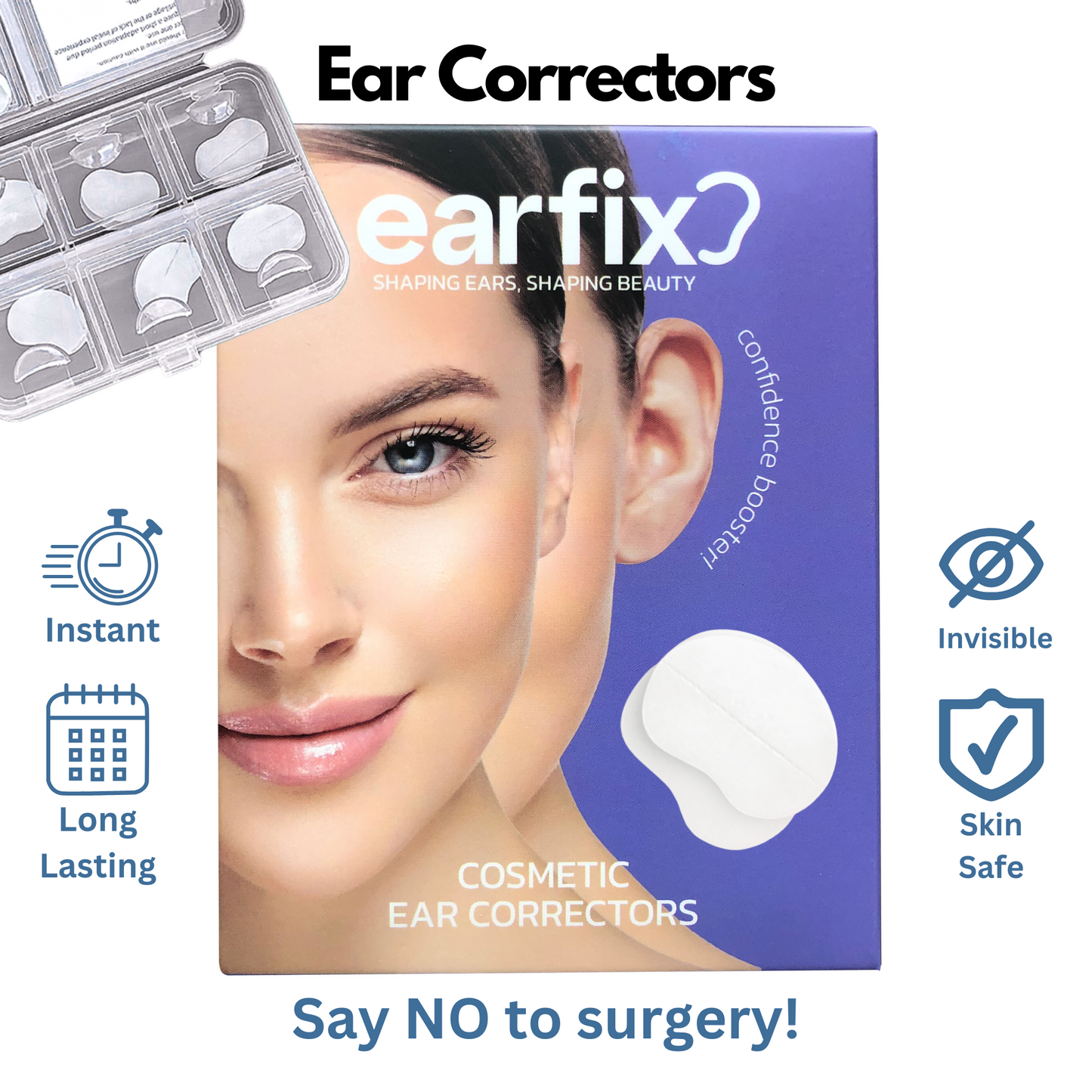
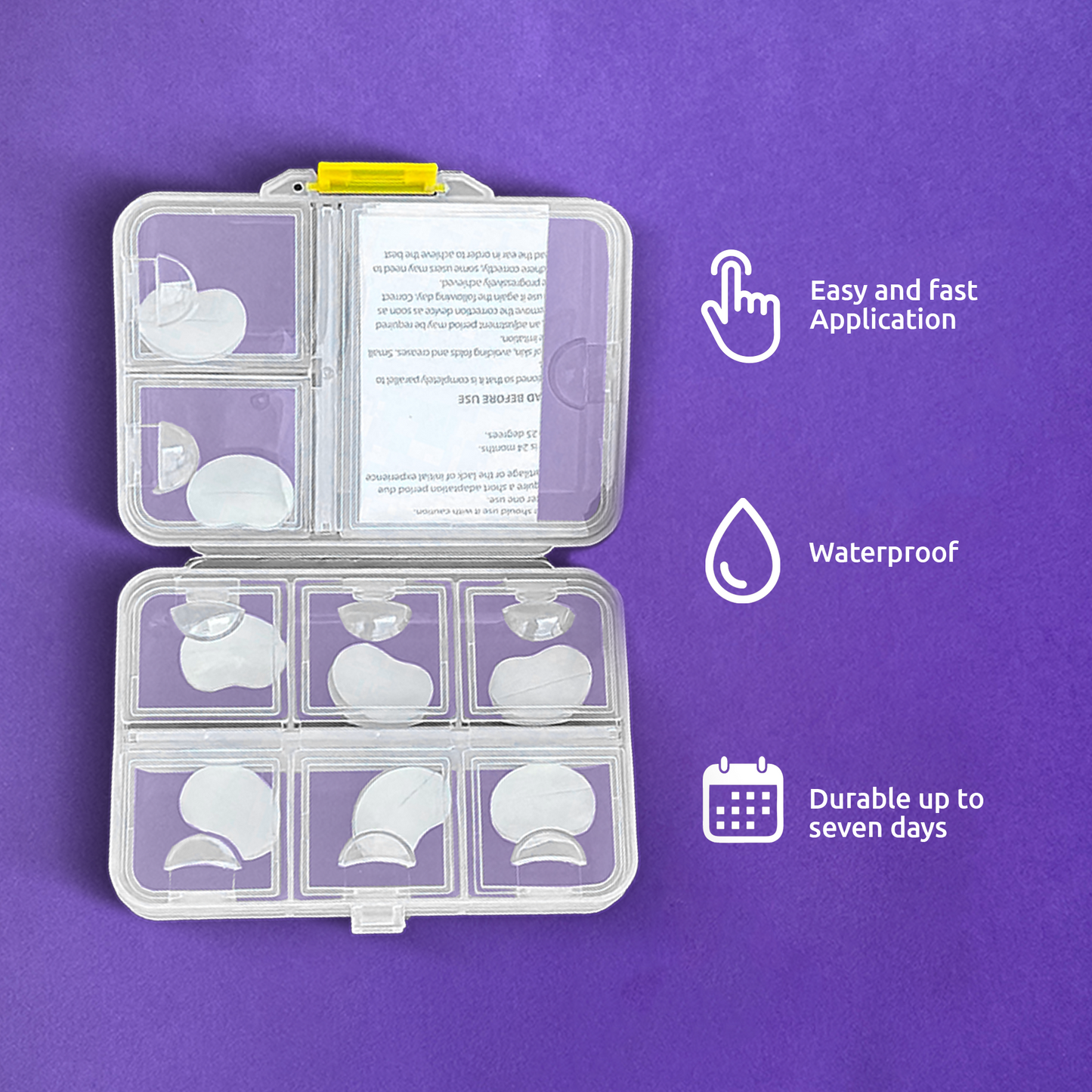
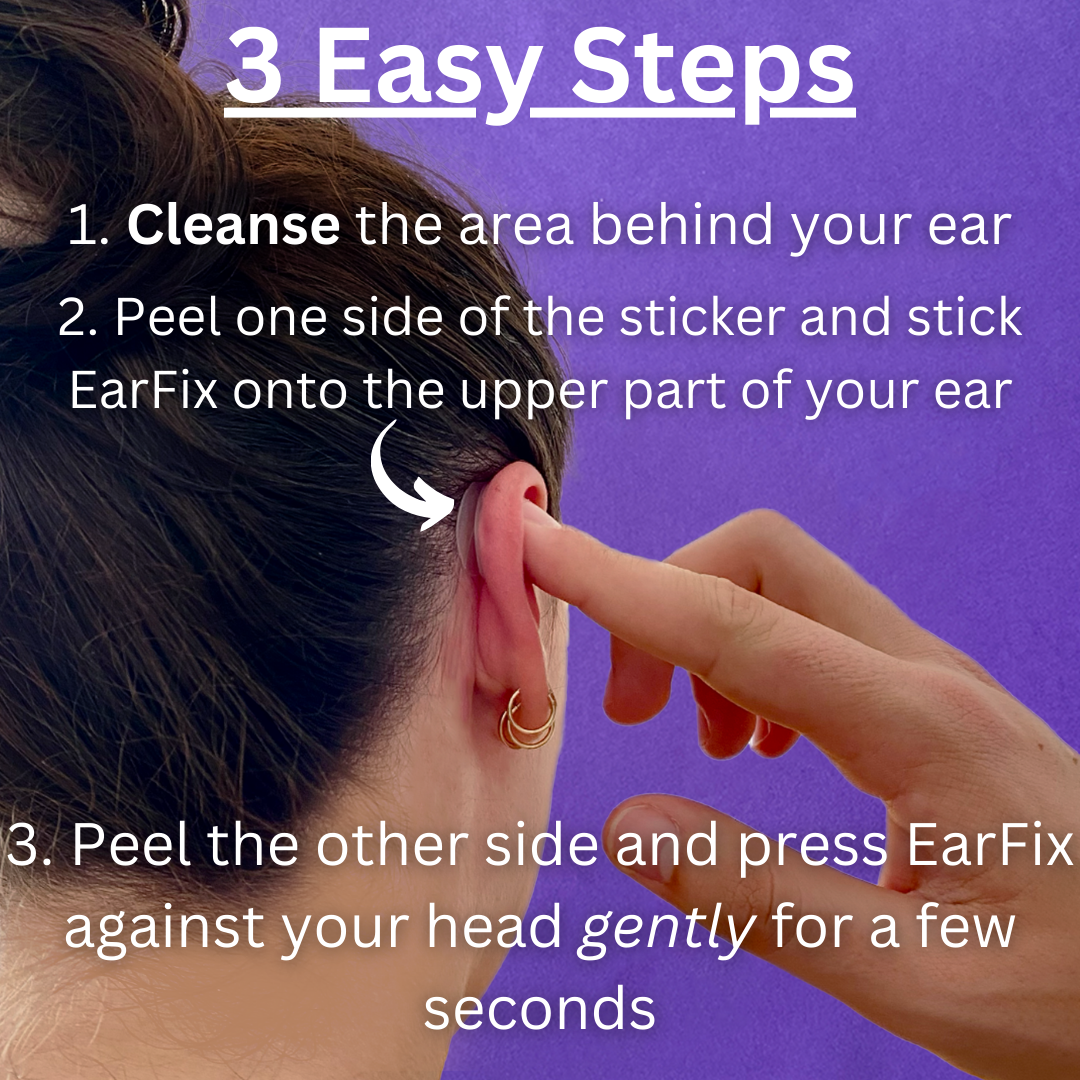
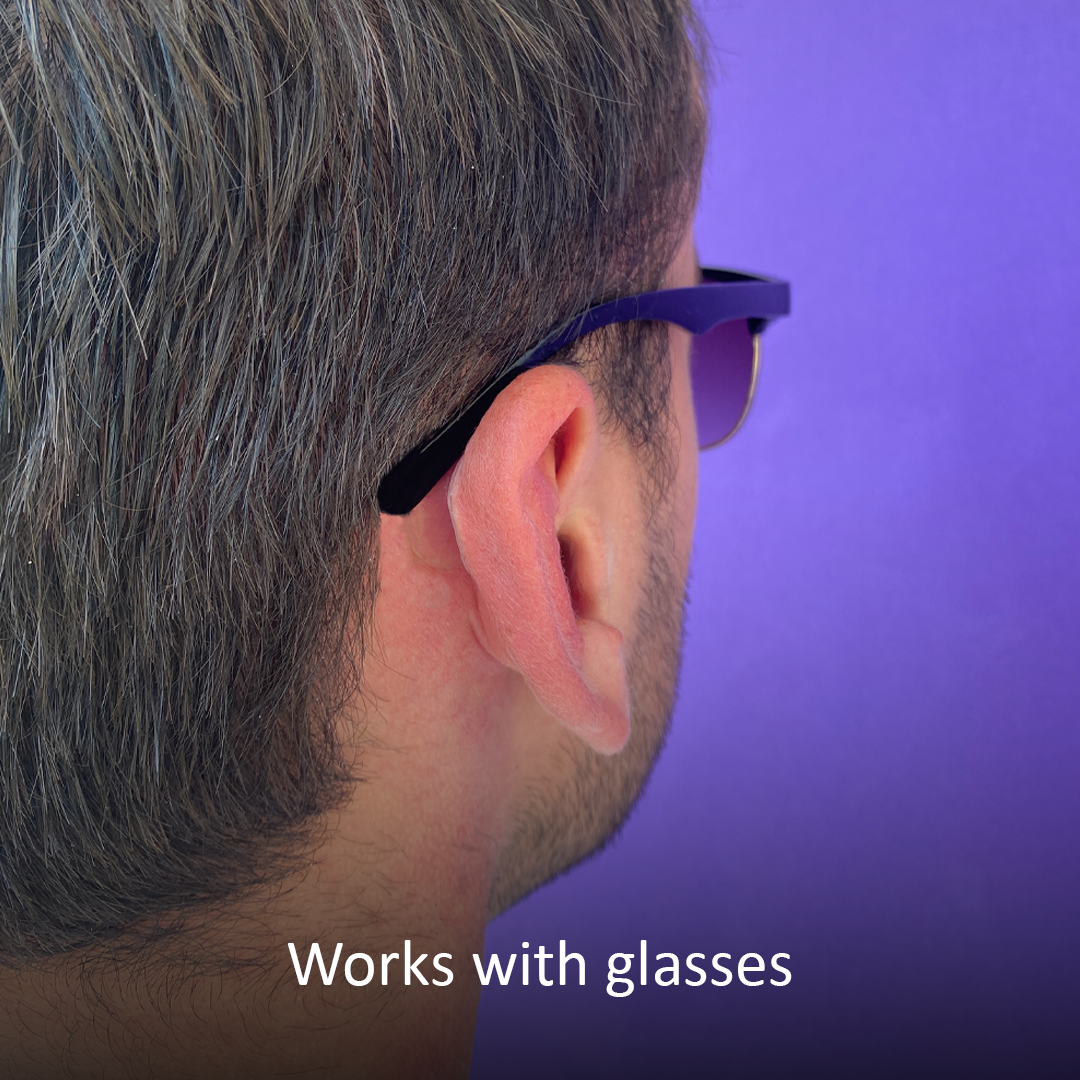
This accessible solution is a product often called ear correction stickers. One of the most trusted names is EarFix. Think of it as a small, transparent, and super-flexible silicone prosthetic that uses a special, skin-safe adhesive.
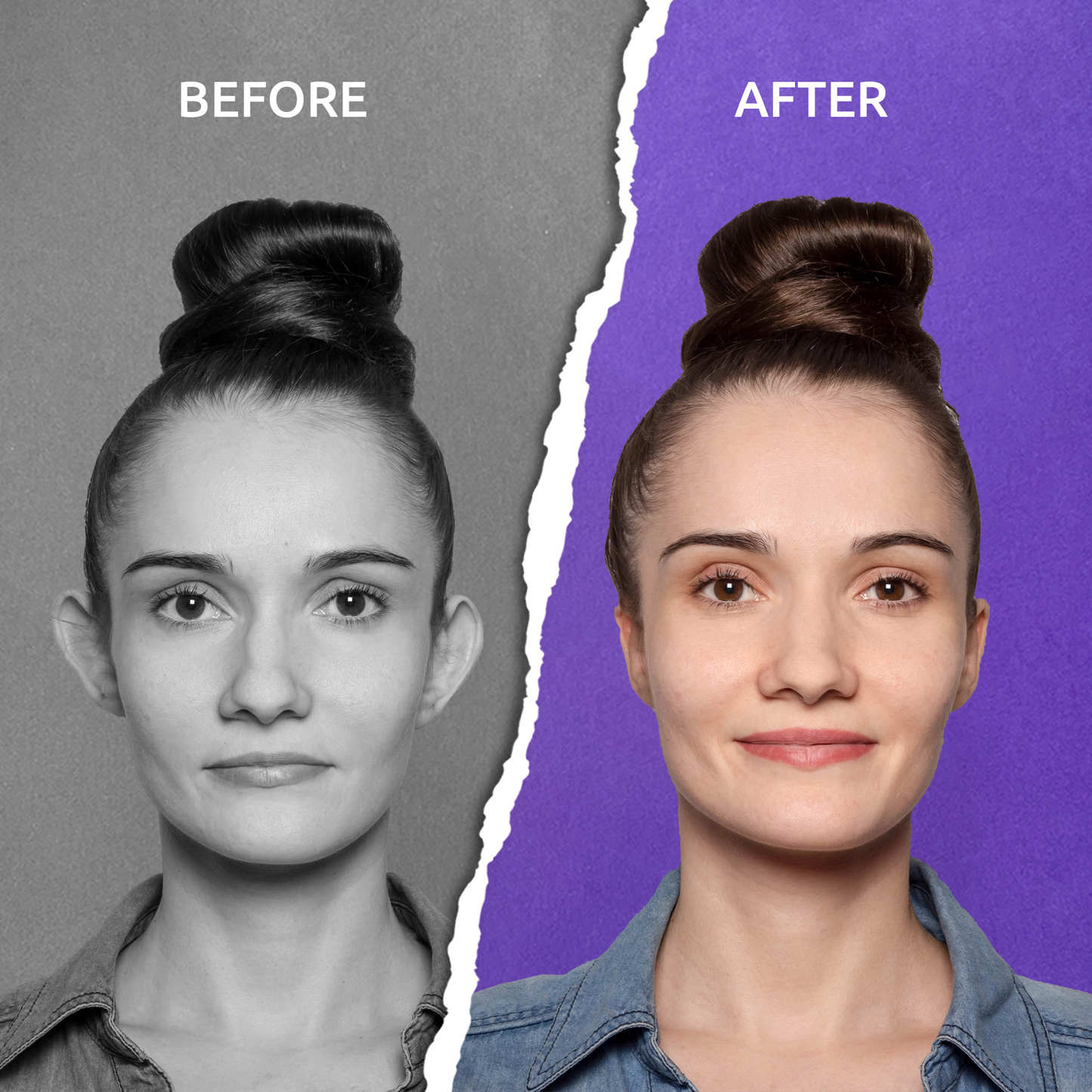
You simply place one behind your ear, and it gently holds the ear closer to the side of your head. The effect is instant, creating a more subtle and natural look in seconds. It's a completely pain-free and non-invasive way to get the look you want.
EarFix: A Clear Advantage Over Surgery (Non-Surgical Otoplasty)
When most people think about changing the appearance of their ears, their minds jump straight to otoplasty surgery. But that's a serious commitment involving high costs, a lengthy recovery, and all the usual risks that come with going under the knife. EarFix offers a totally different path, serving as a form of non-surgical otoplasty.
Here’s how it compares:
- Totally Non-Invasive and Pain-Free: There are no needles, no anesthesia, and absolutely zero recovery time. You get instant results without any discomfort.
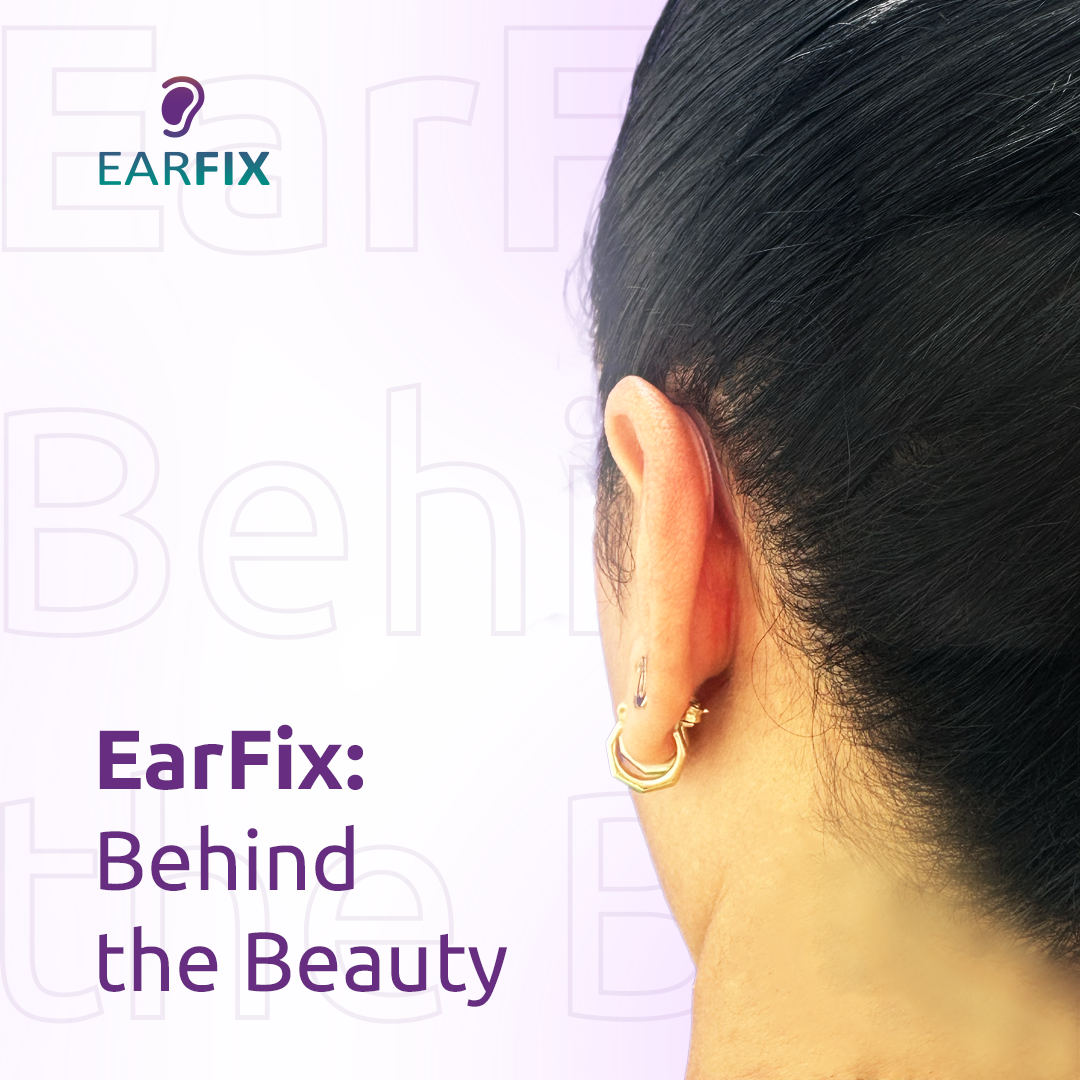
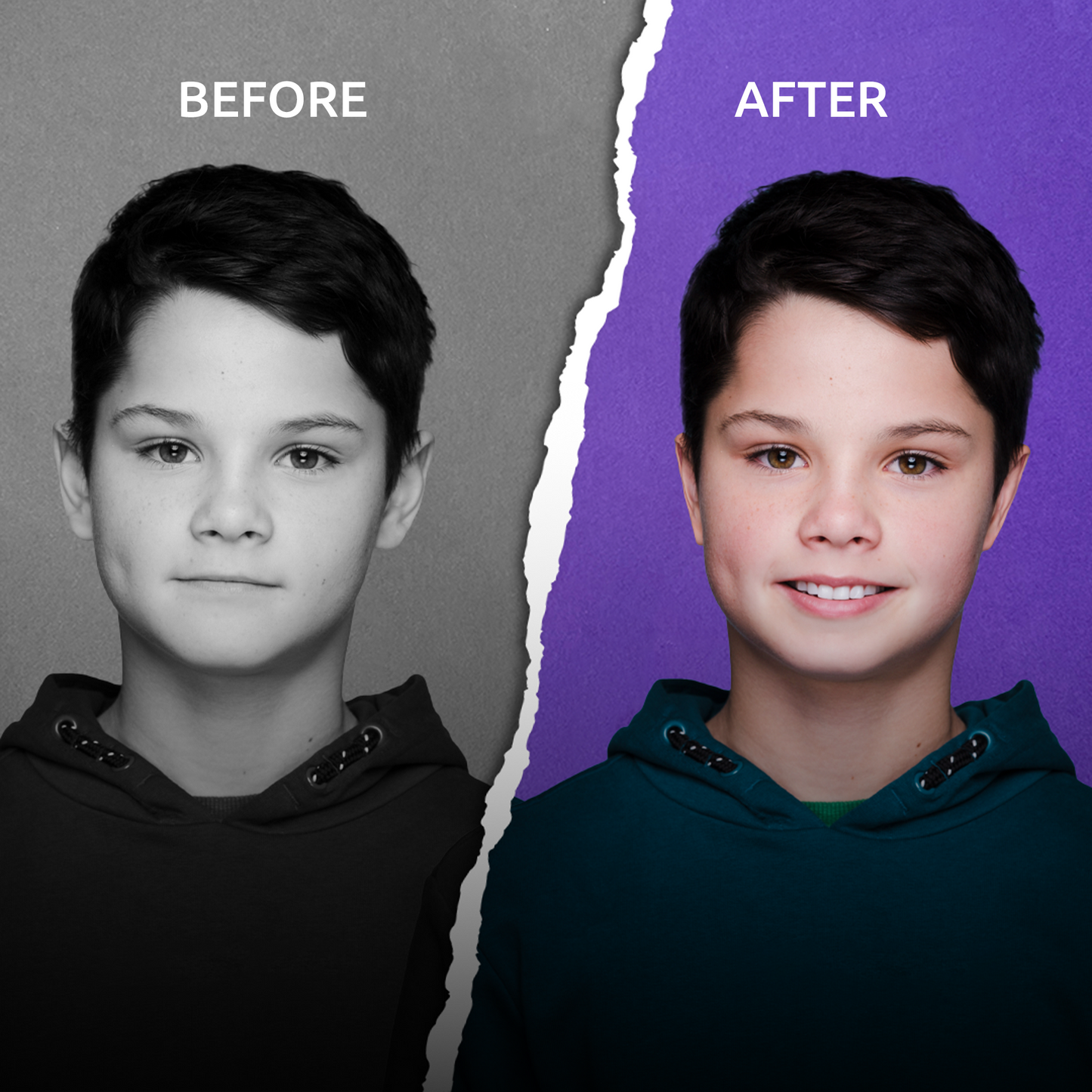
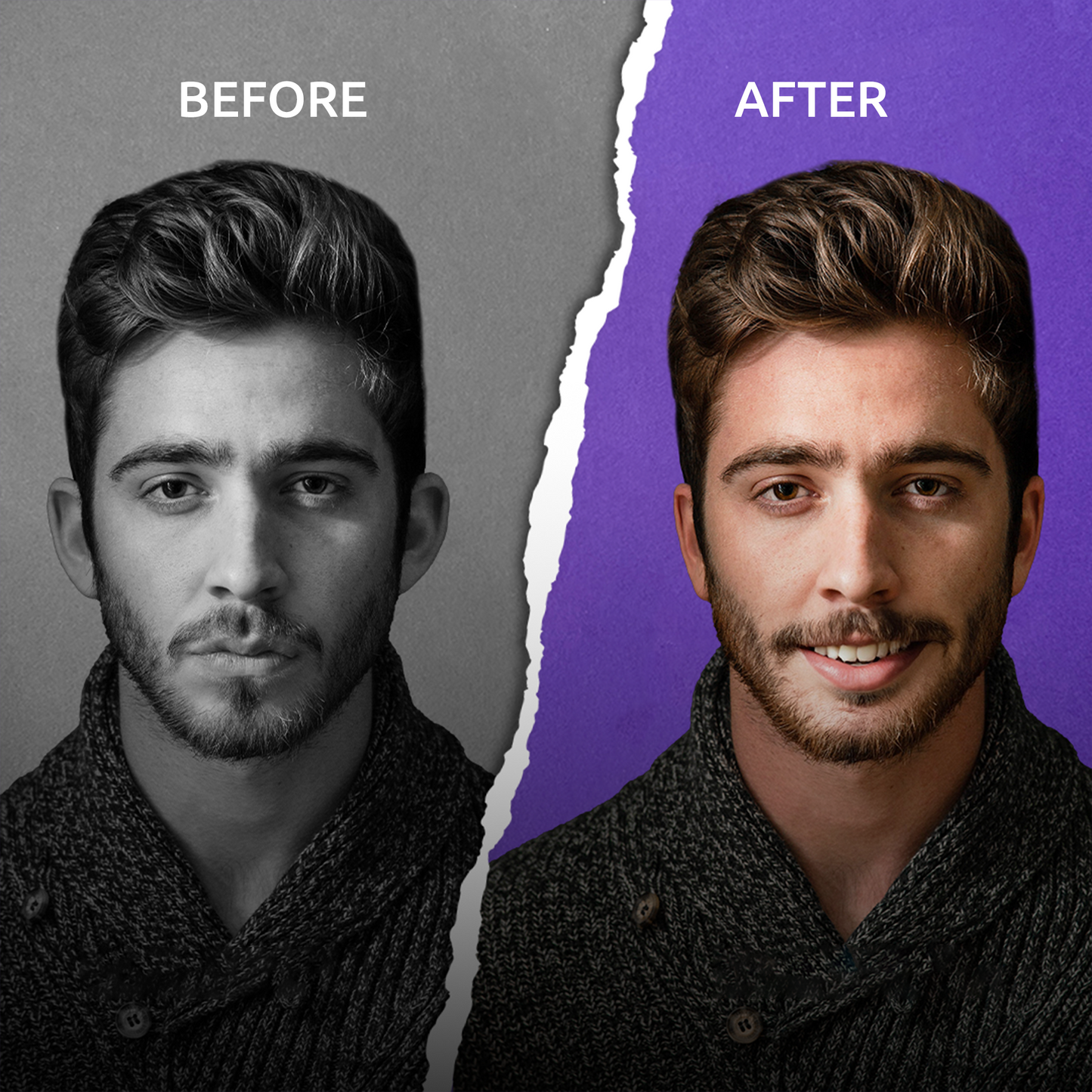
- Immediate and Invisible Results: The change is visible the moment you put them on. And because they're clear and designed to be low-profile, they're practically invisible—perfect for daily wear, photos, or special events.
- Affordable and Accessible: EarFix costs a tiny fraction of a surgical procedure, putting cosmetic improvement within everyone's reach.
This approach gives you total control. You can use EarFix for important events like weddings or make them part of your daily routine for a consistent feeling of confidence. To see how these options stack up, check out our in-depth guide on EarFix vs Surgery.
A Prominent Ears Solution for All Ages
Feeling comfortable and confident in your own skin is something everyone deserves, which is why this solution is designed for all ages, from adults right down to infants.
For adults, EarFix provides a reliable way to feel your best in any situation, whether you're in a big meeting at work or just posing for a photo. They are designed to be comfortable and discreet for real-life usability.
The real beauty of a non-surgical solution like EarFix is its simplicity. It empowers you to make a small change that can have a big impact on your self-perception, without committing to a permanent or invasive procedure.
For the little ones, there's a specially designed baby ear corrector. These are made with an even gentler, dermatologist-tested adhesive perfect for a baby’s delicate skin. The gentle adhesion and safety-first materials give parents peace of mind while addressing the concern. For more details on using them, our How to Use EarFix guide is a great resource.
Whether you're an adult looking for that extra bit of confidence or a parent exploring a gentle option for your child, non-surgical ear correction is a practical, safe, and effective choice.
Ready to see the difference for yourself? You can explore the full range of EarFix products at earfixusa.com or find them conveniently on Amazon to start your journey toward feeling more comfortable and confident.
Choosing the Right Procedure and a Trusted Provider
Okay, you've gotten a lay of the land on the different non surgical cosmetic procedures for face. That's a huge first step. But the real journey begins now: picking the right treatment and, even more importantly, the right person to perform it.
Making a smart, safe choice is what separates a fantastic result from a frustrating one. And hands down, the single most critical factor in your success is the provider you trust with your face.
This isn't just about finding someone to administer a treatment. It's about finding a partner for your aesthetic goals. A great provider will do so much more than just wield a syringe or a laser. They'll listen carefully to what you want to achieve, study your unique facial anatomy, and work with you to create a plan that enhances your natural beauty while being completely honest about what's possible.
For example, when looking at something like prominent ears, the path isn't always surgery. You have choices, and understanding them is key.
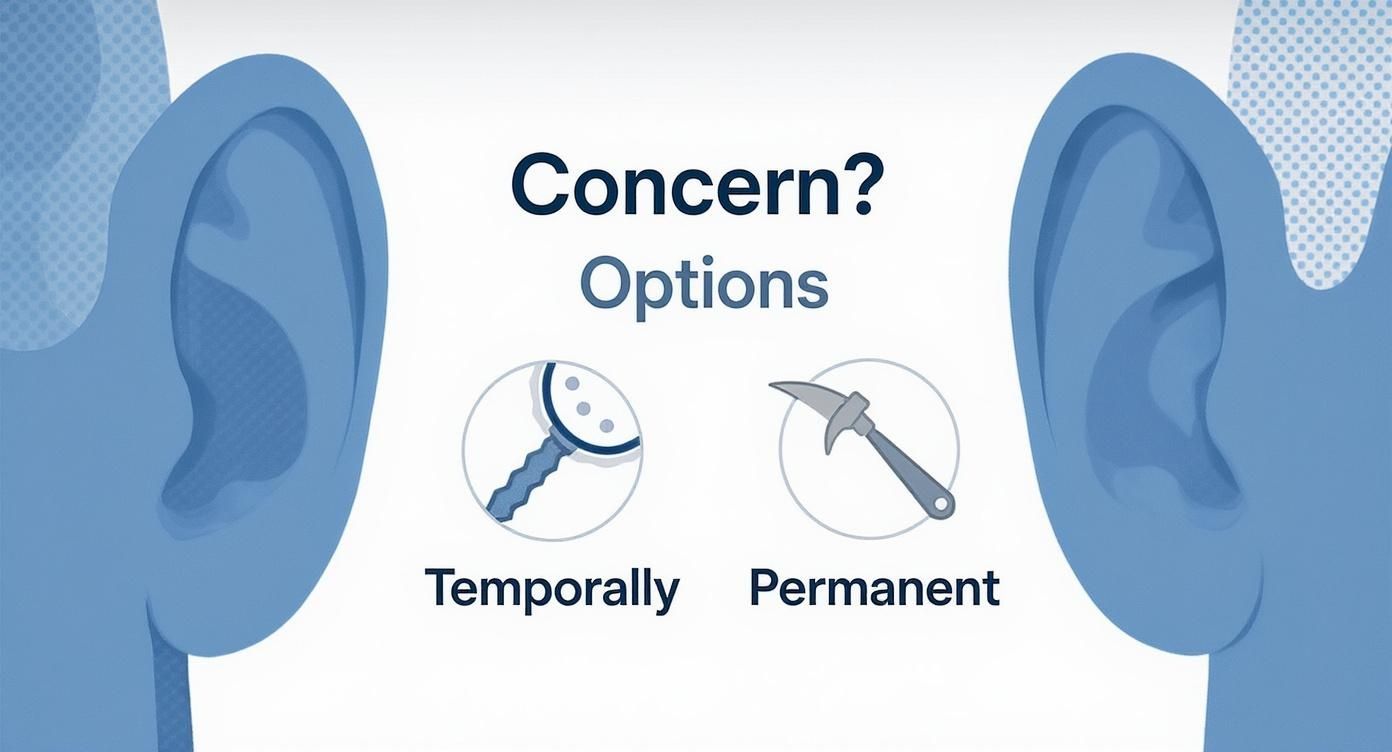
The big takeaway here is that not every solution requires a major commitment of time, money, or recovery. Sometimes, the simplest option is the best one.
How to Find a Qualified Provider
Starting your search can feel like looking for a needle in a haystack, but a few key credentials can quickly help you zero in on the true professionals. Don't be shy about doing your homework—your face is worth it.
Here’s what to look for when vetting a provider:
- Board Certification: Is the provider certified by a legitimate board in a relevant field, like dermatology or plastic surgery? This is non-negotiable. It means they've met incredibly high standards for training, safety, and expertise.
- Specialization: Do they live and breathe non-surgical facial aesthetics? A specialist who focuses on these treatments will have a much deeper, more nuanced understanding than a generalist.
- Aesthetic Style: This one is personal. Scour their before-and-after photos. Do the results look like what you want? A provider's work should click with your own taste, whether that's ultra-natural or more dramatic.
Your Consultation Checklist: Key Questions to Ask
Once you have a shortlist, the consultation is where the magic happens. This is your chance to interview them, get a feel for their approach, and see if you feel comfortable and heard. Think of it as a two-way street.
To get the most out of this crucial meeting, you need to ask the right questions. This isn't the time to be timid; an expert provider will welcome your curiosity and give you straight answers.
Here's a checklist of essential questions to bring to your consultation. This simple framework will help you compare providers and make sure you're getting all the information you need to make a confident decision.
| Category | Question to Ask |
|---|---|
| Personalized Plan | "Based on my goals and facial structure, which procedure do you recommend for me, and why?" |
| Proof of Work | "Can you show me before-and-after photos of your patients who had similar concerns to mine?" |
| Safety & Complications | "What are the potential risks, and what is your plan if a complication happens?" |
| Cost & Transparency | "What does the total cost include? Are there any hidden fees for follow-ups or products?" |
| Recovery & Downtime | "What can I realistically expect during recovery, and how much downtime should I plan for?" |
Asking about the full financial picture is especially important. Costs can vary dramatically, and understanding the investment is key. For a clearer idea of how this plays out, particularly when comparing non-surgical options to surgery, our guide on how much otoplasty costs offers a great breakdown.
Treat your consultation as your most powerful tool. It’s your chance to go from being a passive patient to an informed partner in your own care. The right provider will empower you every step of the way.
Your Questions Answered: What to Expect from Non-Surgical Procedures
It’s completely normal to have a list of questions when you’re thinking about cosmetic treatments for your face. To help clear things up, we've put together some straightforward answers to the questions we hear most often. This should give you the last few pieces of the puzzle you need to feel confident and ready.
Let's dig into everything from how long results last to what you can expect to feel during a procedure. The goal here is to make sure you have a full picture of the process, with no stone left unturned.
How Long Do the Results of Non-Surgical Facial Procedures Last?
This is a big one, and the answer really depends on the treatment you choose. It's something you'll want to discuss in detail during your consultation to make sure your expectations are realistic.
- Neuromodulators (Botox, Dysport): These muscle-relaxing injections usually keep things smooth for about 3-4 months. To maintain that look, you'll need to stick with a consistent treatment schedule.
- Dermal Fillers: Results can last anywhere from 6 months to over a year, sometimes even longer. It all comes down to the type of filler used and where it's placed. Fillers in areas with a lot of movement, like around the mouth, tend to break down a bit faster.
- Skin Resurfacing (Lasers, Microneedling): Because these treatments work by stimulating your own collagen, the results can be quite long-lasting. Of course, a great at-home skincare routine and diligent sun protection are key to making them last.
- Cosmetic Ear Correctors (EarFix): These offer a completely different approach. The cosmetic effect is immediate but temporary, lasting for as long as you wear the corrector. This gives you total control over when you use them.
Are Non-Surgical Treatments Painful?
Most people describe non-surgical treatments as involving minimal discomfort rather than real pain. Your provider’s top priority is always keeping you comfortable from start to finish.
For procedures like injectables, microneedling, or lasers, a topical numbing cream is almost always applied beforehand to take the edge off. Patients often say it feels like a series of tiny pinches or a bit of a warm sensation on the skin. On the other hand, at-home prominent ears solution options like EarFix are entirely pain-free. Applying them is as simple and gentle as putting on a sticker.
The most important thing is to keep an open line of communication with your provider. If you're feeling nervous or uncomfortable, speak up! They have plenty of ways to make the experience as relaxed as possible for you.
What Is the Average Cost of These Procedures?
Cost is obviously a major factor, and it can vary quite a bit depending on the treatment, where you live, and the experience level of your provider.
Injectables might run anywhere from a few hundred to several thousand dollars for a single session. A full series of laser or radiofrequency treatments can fall into a similar range. For a very specific concern like prominent ears, simple and non-invasive solutions like EarFix ear correction stickers are a highly affordable alternative, costing just a fraction of a clinical procedure. To see how these costs really stack up, our EarFix vs Surgery guide breaks it down. Always make sure to ask for a detailed price quote during your consultation so there are no surprises later.
How Do I Know if I Am a Good Candidate?
Generally, a good candidate for non-surgical cosmetic procedures is someone in good health who has realistic expectations about what can be achieved. You might be looking to soften wrinkles, restore a little lost volume, even out your skin texture, or address the appearance of prominent ears.
The absolute best way to know for sure is to book a consultation with a board-certified professional. They can assess your specific needs and create a personalized plan just for you.
Ready to see how others have found their confidence? Check out our inspiring Customer Stories. Or, if you're curious about a surgery-free solution you can try today, explore the possibilities with EarFix.
At EarFix USA, we believe everyone deserves to feel comfortable and confident. Discover our simple, pain-free ear correction solution at https://earfixusa.com or find us on Amazon.